Architectural Asphalt Roofing in the Brainerd Lakes Area
When it comes to protecting a home in Minnesota, architectural asphalt shingles continue to be the roofing material of choice for most homeowners. They offer an excellent balance of durability, curb appeal, long term value, and dependable performance through every season. Whether you’re replacing an aging roof, repairing storm damage, or building a new home, architectural asphalt shingles provide a reliable roofing system designed to handle the changing weather conditions common throughout the Brainerd Lakes area.
✓ Serving Minnesota Since 1991
✓ Locally Owned & Operated
✓ Licensed & Insured
✓ Free Roof Inspections
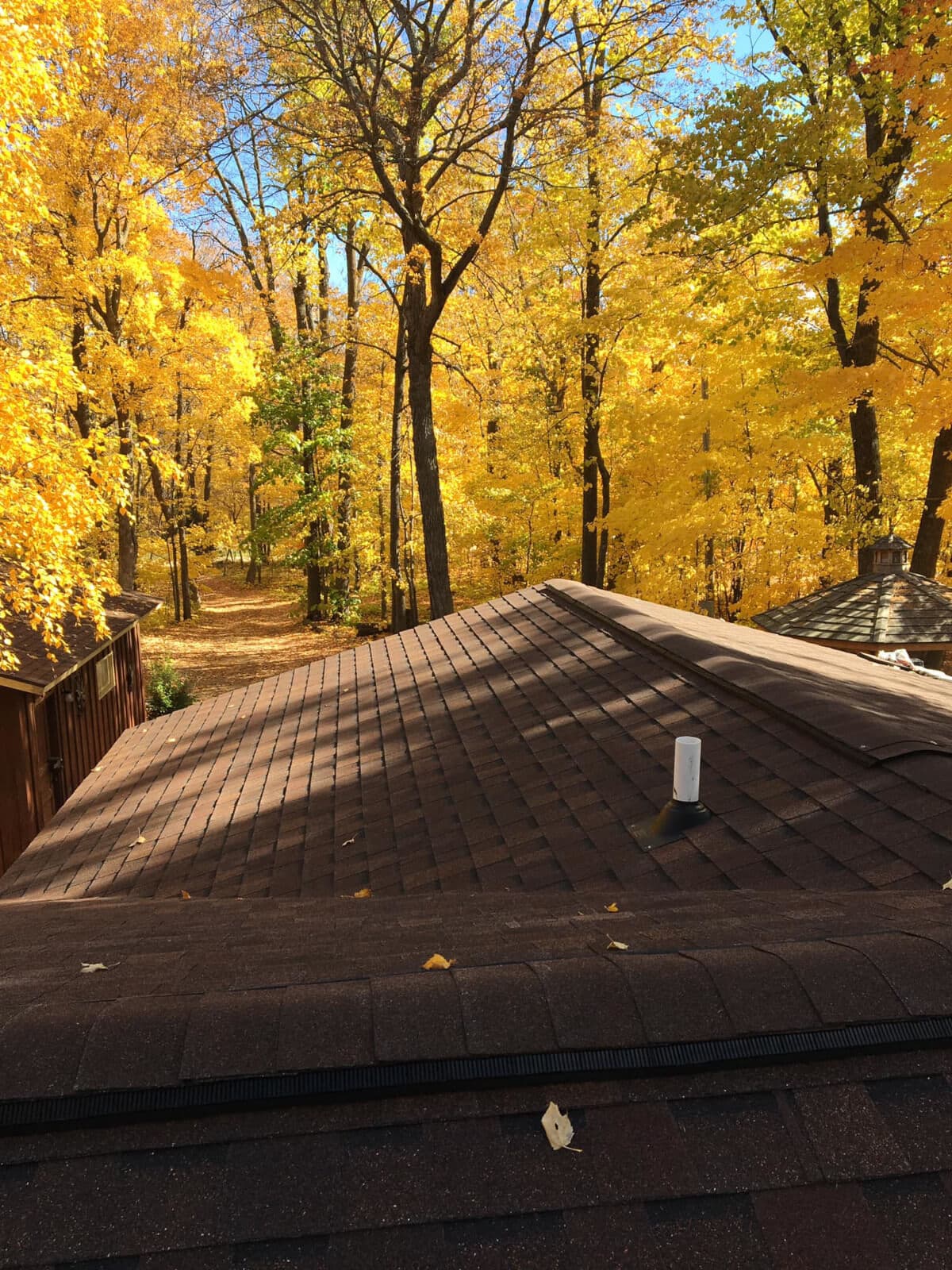
We install architectural asphalt roofing systems for homeowners throughout Brainerd, Breezy Point, Crosslake, Gull Lake, and the surrounding Brainerd Lakes Area. Whether you’re replacing an aging roof or building a new home, our team understands the challenges Minnesota weather brings to asphalt shingles.
Choosing the right asphalt roofing contractor starts with understanding how a quality roofing system protects your home. This guide explains how architectural asphalt shingles perform in Minnesota, what to expect during a roof replacement, how to recognize roofing problems, and how Revival Roofing helps homeowners throughout the Brainerd Lakes area make informed decisions.
A Quality Roof Is More Than Just Shingles
When most homeowners think about replacing a roof, they picture new shingles. While shingles are the most visible part of the roof, they’re only one component of a complete roofing system. The materials beneath and around the shingles play an equally important role in protecting your home from moisture, wind, and Minnesota’s changing weather.
A properly installed asphalt roofing system is designed so that every layer works together. If one component is missing, damaged, or installed incorrectly, it can affect the performance and lifespan of the entire roof. That’s why quality installation involves much more than simply nailing down new shingles.
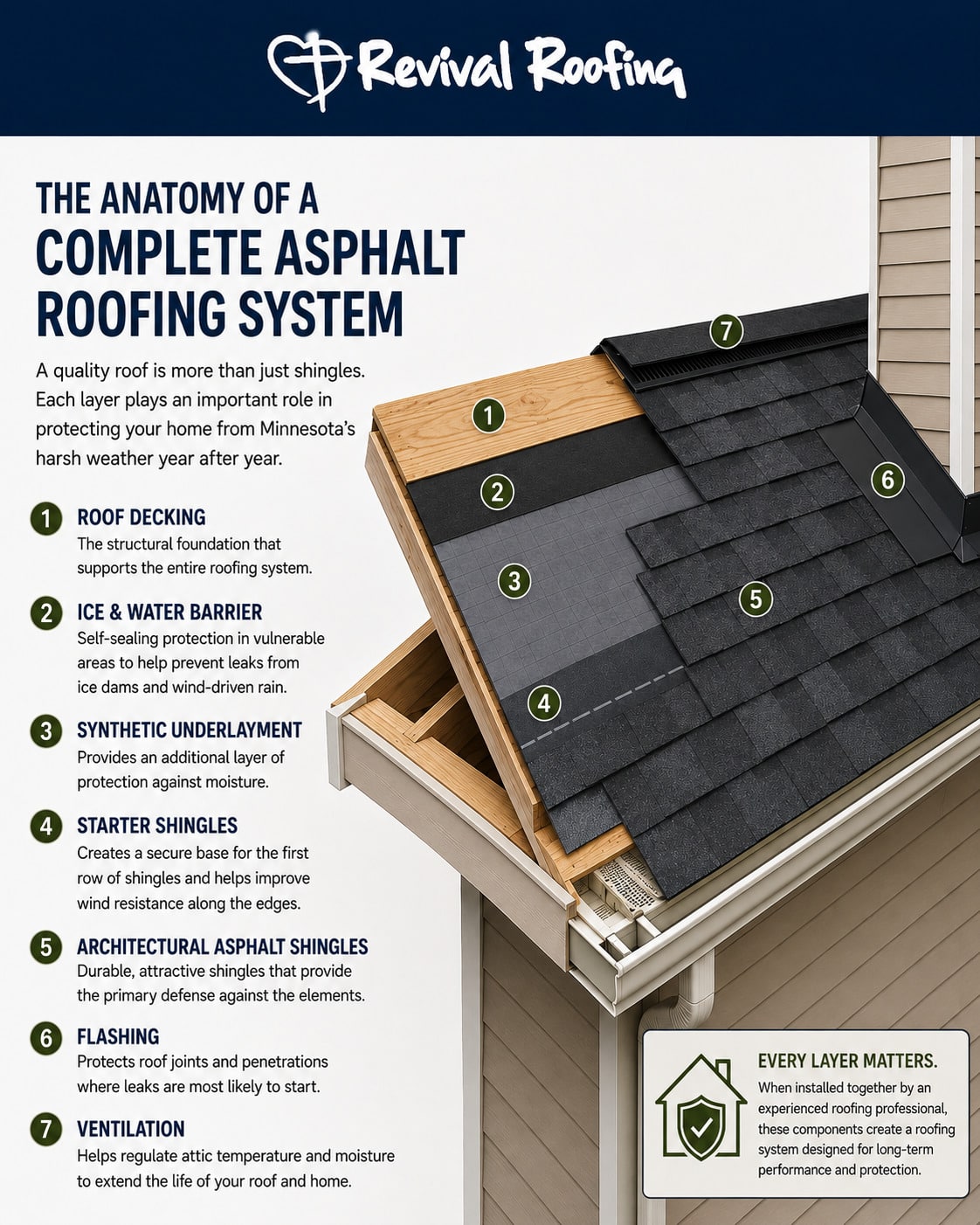
Below are the key parts of a complete asphalt roofing system and why each one matters.
Roof Decking
Roof decking forms the structural foundation of the roofing system. It provides the surface that supports every other roofing material installed above it.
Before installing a new roof, the decking should always be inspected for soft spots, rot, moisture damage, or structural concerns. Covering damaged decking with new shingles may hide the problem temporarily, but it won’t solve it. A solid foundation helps ensure the new roof performs as intended for years to come.
Ice and Water Barrier
Minnesota winters make this one of the most important components of any roofing system.
Ice and water barrier is a self sealing waterproof membrane installed in the roof’s most vulnerable areas, including eaves, valleys, and around roof penetrations. It provides an extra layer of protection in places where melting snow, ice dams, or wind driven rain are most likely to force water beneath the shingles.
While homeowners rarely see this material once the roof is complete, it plays a critical role in helping prevent water intrusion.
Synthetic Underlayment
Installed across the roof decking beneath the shingles, synthetic underlayment serves as an additional moisture barrier.
Although asphalt shingles shed most rain and snow, no roofing material is intended to be the only line of defense. Underlayment helps protect the decking if moisture gets beneath the shingles during severe weather or while a roof is under construction.
Starter Shingles
Starter shingles are installed along the roof edges before the main field shingles are applied.
They create a secure foundation for the first row of shingles while helping improve wind resistance and reduce the chance of wind lifting shingles along the roof perimeter.
Because they’re hidden beneath the finished roof, many homeowners don’t realize they exist, but they’re an important part of a properly installed roofing system.
Architectural Asphalt Shingles
These are the primary weather barrier homeowners see every day.
Modern architectural shingles are designed to resist wind, rain, snow, and ultraviolet exposure while enhancing the appearance of the home. Their layered construction creates greater durability and dimension than traditional three tab shingles, making them the preferred choice for most residential roofs throughout the Brainerd Lakes area.
Flashing
Many roof leaks don’t begin in the middle of the shingles. They develop where different parts of the roof meet.
Flashing consists of specially formed metal pieces installed around chimneys, skylights, roof valleys, walls, vents, and other transitions to direct water safely away from these vulnerable areas.
Properly installed flashing is one of the most important defenses against roof leaks.
Roof Ventilation
A roofing system doesn’t stop at the shingles.
Balanced attic ventilation helps regulate temperature and moisture inside the attic throughout the year. Proper airflow can reduce heat buildup during the summer while helping minimize condensation and conditions that contribute to ice dam formation during the winter.
Ventilation also supports the long term performance of roofing materials by helping create a healthier attic environment.
Ridge Cap Shingles
The ridge is the highest point of the roof where two roof slopes meet.
Specially designed ridge cap shingles protect this area while providing a finished appearance. They also work with ridge ventilation systems when those systems are part of the roof design.
Fasteners
Even something as small as roofing nails plays an important role.
Using the proper fasteners and installing them in the correct location helps secure the shingles according to manufacturer specifications. Correct fastening contributes to wind resistance, overall roof performance, and compliance with warranty requirements.
💡 Homeowner Tip
When comparing roofing estimates, don’t focus only on the type of shingles being installed. Ask what underlayment, ice and water protection, ventilation components, flashing, and other materials are included. A roof’s long term performance depends on the entire roofing system, not just the shingles you can see.
Built to Handle Minnesota’s Four Season Climate
A roof in northern Minnesota has a demanding job. Throughout the year it must withstand heavy snow, ice, strong winds, hailstorms, driving rain, intense summer sun, and rapid temperature swings. Each season places different stresses on a roofing system, which is why choosing quality materials and proper installation is so important.
Architectural asphalt shingles have earned their reputation as the most popular residential roofing material because they are designed to perform well through all four seasons. When combined with proper ventilation, high quality underlayment, flashing, and ice and water protection, they create a complete roofing system that helps protect your home year after year.
Winter: Snow, Ice Dams, and Freezing Temperatures
Winter often brings the greatest challenges for Minnesota roofs. Heavy snow can remain on a roof for weeks, while repeated freeze and thaw cycles create conditions that allow ice dams to form along the roof’s edges. As melting snow refreezes, water can back up beneath the shingles if the roofing system isn’t properly designed and installed.
A well built asphalt roofing system helps reduce these risks through proper attic ventilation, strategically installed ice and water barriers, and quality flashing around vulnerable areas such as valleys, chimneys, skylights, and roof penetrations. These components work together to help keep moisture where it belongs: outside your home.
Spring: Rain and Changing Temperatures
As winter gives way to spring, melting snow and frequent rainfall put roofs to the test. This is also when hidden winter damage often becomes noticeable. Missing shingles, damaged flashing, and small leaks that developed during the colder months may begin allowing water into the home.
Spring is an ideal time for a professional roof inspection to identify minor issues before they become costly repairs.
Summer: Heat, Sunlight, and Storms
Although many homeowners think of winter as the harshest season, summer presents its own challenges. Extended sunlight, ultraviolet exposure, high temperatures, and severe thunderstorms all affect roofing materials over time. Strong winds can loosen shingles, while hail may bruise or crack them even when damage isn’t immediately visible from the ground.
Modern architectural shingles are manufactured to provide excellent weather resistance, but regular inspections after significant storms help identify damage early and protect the roof’s long term performance.
Fall: Preparing for Another Minnesota Winter
Autumn is one of the best times to prepare a roof for the coming winter. Leaves, pine needles, and other debris should be cleared from valleys and gutters to promote proper drainage. It’s also a good opportunity to replace damaged shingles, inspect flashing, and address small maintenance issues before freezing temperatures arrive.
For homeowners throughout the Brainerd Lakes area, a fall roof inspection provides peace of mind knowing the roof is ready for another season of snow and ice.
Minnesota Roofing Insight
Homes located near lakes and wooded areas often experience additional roofing challenges. Stronger wind exposure across open water, falling branches during storms, and the accumulation of pine needles and tree debris can all increase the need for regular roof inspections and preventative maintenance. Identifying these issues early can help extend the life of your roof and reduce the likelihood of unexpected repairs.
Why We Recommend Architectural Asphalt Shingles for Most Homes
Not every home has the same roofing needs, and no single roofing material is the right choice for every situation. However, for most homes throughout the Brainerd Lakes area, architectural asphalt shingles offer an excellent combination of durability, appearance, weather protection, and long term value. That’s why Revival Roofing has chosen to specialize in them.
Rather than installing every roofing material available, we focus on the roofing system we believe serves the majority of homeowners best. That allows us to stay current with installation methods, manufacturer requirements, and best practices while providing consistent, dependable results.
Built for Minnesota Weather
Architectural shingles are designed to withstand the conditions Minnesota homeowners experience throughout the year.
When properly installed as part of a complete roofing system, they provide dependable protection against:
- Heavy snowfall
- Wind driven rain
- Strong seasonal winds
- Hail
- Freeze and thaw cycles
- Summer heat
- Ultraviolet exposure
Combined with quality ventilation and proper moisture protection, they perform well in the demanding climate of northern Minnesota.
Designed to Last
Architectural shingles are manufactured with multiple layers that create a thicker, more dimensional roofing material than traditional three tab shingles.
This added construction helps improve durability while also creating the textured appearance many homeowners prefer.
While every roof ages differently depending on weather exposure, ventilation, maintenance, and installation quality, architectural shingles are designed to provide long term performance when properly cared for.
Curb Appeal That Lasts
A new roof is one of the most noticeable improvements you can make to your home.
Architectural shingles are available in a wide range of colors and styles that complement:
- Traditional homes
- Modern homes
- Lake homes
- Cabins
- Rural properties
Their dimensional appearance creates more visual depth than older three tab shingles, helping enhance curb appeal while maintaining a classic look.
Excellent Long Term Value
The least expensive roofing material isn’t always the best value over time.
Many homeowners choose architectural shingles because they provide an excellent balance of:
- Appearance
- Performance
- Durability
- Maintenance
- Cost
That combination has made them the most popular residential roofing material across North America.
A Specialist’s Perspective
One of the advantages of working with a contractor who specializes in architectural asphalt roofing is consistency.
Rather than dividing our attention across many different roofing systems, we focus on installing the roofing material we believe offers the best overall solution for most homeowners in this region. That specialized focus allows us to refine our installation practices, stay current with manufacturer recommendations, and deliver roofing systems designed for Minnesota’s climate.
🏡 From the Roof
One question we occasionally hear is whether a different roofing material would be “better.”
The answer depends on the home, the homeowner’s goals, and the budget. Every roofing material has advantages, but for most homes throughout the Brainerd Lakes area, architectural asphalt shingles continue to provide one of the best overall combinations of appearance, reliability, performance, and value. That’s why they’ve remained our primary focus.
What You Can Expect From Revival Roofing
Choosing a roofing contractor is about more than comparing estimates. It’s about finding a company you trust to protect your home, communicate honestly, and complete the work with care. Since 1991, Revival Roofing has focused on providing homeowners throughout the Brainerd Lakes area with quality asphalt shingle roofing backed by straightforward recommendations and dependable workmanship.
Whether you need a roof repair, a complete roof replacement, or simply want to understand the condition of your roof, our goal is to give you the information you need to make a confident decision.
Honest Recommendations
Not every roof needs to be replaced, and not every repair is the right long term solution. We take the time to evaluate the condition of your roofing system and explain what we find, so you can choose the option that makes the most sense for your home, budget, and future plans.
A Focus on Architectural Asphalt Shingle Roofing
Rather than trying to install every type of roofing system available, Revival Roofing specializes in architectural asphalt shingles for residential homes. That focused approach allows us to stay current with installation methods, manufacturer requirements, and best practices for the roofing system we know best.
Built for Minnesota Weather
From heavy snowfall and ice dams to hail, wind, and summer storms, roofing in northern Minnesota requires more than quality shingles alone. Every roofing system should be designed with the local climate in mind, using the proper materials and installation techniques to help protect your home through every season.
Clear Communication
Roofing projects can feel overwhelming, especially if it’s your first roof replacement or you’re dealing with storm damage. We believe homeowners deserve clear answers, realistic expectations, and updates throughout the project so they always know what to expect.
Respect for Your Home
Your home is more than a construction site. We take care to protect landscaping, keep the work area organized, and complete a thorough cleanup when the project is finished. Our goal is to leave your property looking its best with nothing left behind except your new roof.
Local Experience Since 1991
Serving homeowners across the Brainerd Lakes area for decades has provided valuable insight into the roofing challenges common throughout northern Minnesota. From lakefront homes exposed to stronger winds to properties surrounded by mature pine trees, we’ve seen how different environments can affect roof performance and maintenance needs over time.
Here When You Need Us
Whether you’re planning ahead for a future roof replacement or need help after a storm, we’re here to answer your questions and provide a professional assessment of your roof’s condition. We want homeowners to feel informed and confident long before any work begins.
Understanding the Parts of an Asphalt Roofing System
A roof performs best when every component works together as a complete system.
How Long Does an Asphalt Roof Last in Minnesota?
One of the most common questions homeowners ask is how long an asphalt roof should last. While it’s understandable to want a simple number, the truth is that every roof ages differently. The lifespan of an asphalt roof depends on the quality of the materials, how well it was installed, the amount of storm exposure it receives, attic ventilation, regular maintenance, and the unique conditions surrounding the home.
A roof that’s exposed to strong winds, heavy snow, overhanging tree branches, or repeated hailstorms may age differently than a roof in a more protected location. That’s why two homes built in the same neighborhood at the same time can have roofs in very different condition years later.
What Affects the Life of an Asphalt Roof?
Several factors influence how long a roofing system continues to perform well.
Installation Quality
Even premium roofing materials depend on proper installation. Correct flashing, balanced ventilation, proper fastening, and careful attention to detail all contribute to the long-term performance of the roof.
Minnesota Weather
Northern Minnesota presents unique challenges throughout the year.
Snow, ice dams, freeze and thaw cycles, hail, high winds, and summer heat all place stress on roofing materials over time. While architectural asphalt shingles are designed to perform well in these conditions, regular exposure naturally contributes to aging.
Attic Ventilation
Many homeowners are surprised to learn that what happens inside the attic can affect the life of the roof above it.
Proper ventilation helps regulate heat and moisture, reducing conditions that may contribute to premature wear or ice dam formation.
Tree Coverage
Homes surrounded by mature trees often experience additional maintenance needs.
Branches may scrape shingles during windy conditions, while leaves and pine needles can trap moisture if they accumulate on the roof.
Regular Maintenance
Small maintenance items can have a significant impact over time.
Keeping gutters clear, trimming overhanging branches, addressing damaged shingles promptly, and scheduling periodic roof inspections all help support the long-term performance of the roofing system.
Age Doesn’t Tell the Whole Story
It’s easy to assume a roof should be replaced simply because it reaches a certain age. In reality, the overall condition of the roofing system is usually more important than the number of years since installation.
Some roofs continue performing well beyond typical expectations because they’ve been properly installed and maintained. Others may require attention sooner due to severe storm damage, poor ventilation, or other factors.
A professional inspection provides a much clearer picture than age alone.
🏡 From the Roof
We’ve inspected roofs that looked worn from the street but still had years of dependable service remaining. We’ve also seen roofs that appeared to be in good condition until a closer inspection uncovered hidden issues. That’s why we encourage homeowners to base decisions on the roof’s overall condition rather than age alone.
How Do You Know When Your Asphalt Roof Needs Attention?
Most roofing problems don’t start with a bucket catching water from the ceiling. In many cases, the first signs are subtle and easy to overlook from the ground. Catching these issues early can often prevent more extensive damage and help homeowners make informed decisions about whether a repair or replacement is the best option.
Even if your roof isn’t leaking, it’s worth paying attention to changes that may indicate the roofing system is beginning to wear or has been damaged by Minnesota’s weather.
Missing or Damaged Shingles
After strong winds or severe storms, take a look at your roof from the ground. Missing shingles, lifted edges, cracked shingles, or sections that appear uneven may indicate wind damage or aging materials. Even a single missing shingle can expose the layers beneath it to moisture if left unaddressed.
Granules Collecting in Gutters
Asphalt shingles are coated with protective granules that help shield them from sunlight and weather. It’s normal for a new roof to shed a small number of excess granules, but finding large amounts in your gutters or at the bottom of downspouts can be a sign that older shingles are reaching the end of their service life.
Water Stains Inside Your Home
Discoloration on ceilings or walls, peeling paint, damp insulation, or musty odors in the attic may indicate that moisture is entering the home. Keep in mind that roof leaks don’t always appear directly below the damaged area. Water can travel along framing before becoming visible indoors.
Damaged Flashing
Many roof leaks develop around chimneys, plumbing vents, skylights, or where different sections of the roof meet. Damaged or deteriorated flashing can allow water to enter even if the surrounding shingles still appear to be in good condition.
Sagging Roof Areas
A roof should appear straight and even when viewed from the ground. Any sagging, dips, or uneven sections may indicate structural concerns or moisture damage beneath the roofing materials. These situations should be evaluated promptly.
Moss, Algae, or Heavy Debris
Black streaks, moss growth, and accumulated pine needles don’t always mean your roof needs replacement, but they can trap moisture against the shingles and contribute to premature wear if not addressed. Homes surrounded by mature trees often benefit from periodic roof inspections and routine maintenance to keep debris from building up.
Your Roof Is Simply Getting Older
Even if there are no obvious signs of damage, age is an important consideration. Roofing materials naturally wear over time as they endure years of snow, wind, rain, and changing temperatures. If your roof is approaching the end of its expected lifespan, a professional inspection can help you understand its current condition and plan ahead before problems develop.
After a Major Storm
Not all storm damage is visible from the ground. Hail can bruise shingles, strong winds may loosen roofing materials, and falling branches can cause damage that isn’t immediately obvious. Scheduling an inspection after a significant storm can help identify hidden issues before they lead to leaks or more costly repairs.
Local Insight: In the Brainerd Lakes area, we’ve seen storms affect neighboring homes very differently. One property may have only a few missing shingles, while another just down the road has significant hail or wind damage. That’s why it’s best not to assume your roof is fine simply because it looks normal from the driveway.
Not Every Roof Problem Requires Replacement
One of the biggest misconceptions homeowners have is that any roofing issue means it’s time for a new roof. In reality, many problems can be repaired if they’re identified early and the rest of the roofing system is still in good condition.
A thorough roof inspection helps determine the cause of the problem, assess the overall condition of the roof, and recommend the solution that makes the most sense for your home.
What Does a Professional Roof Inspection Include?
A roof inspection is much more than a quick look at the shingles. Its purpose is to evaluate the condition of the entire roofing system, identify existing problems, and uncover potential issues before they become expensive repairs. Whether you’re concerned about storm damage, an aging roof, or simply want peace of mind, a thorough inspection provides valuable information about your home’s first line of defense.
At Revival Roofing, we believe homeowners should understand not only what we inspect, but why each part of the roof matters.
Overall Roof Condition
Every inspection begins with an evaluation of the roof as a whole.
This includes looking for signs of aging, uneven wear, storm damage, missing shingles, exposed fasteners, and any areas that deserve a closer look. The goal is to understand how the roofing system is performing rather than focusing on a single issue.
Shingles
The shingles are inspected for conditions such as:
- Cracked or broken shingles
- Missing shingles
- Lifted or loose shingles
- Excessive granule loss
- Curling or blistering
- Signs of hail or wind damage
These visible indicators help tell the story of how the roof has weathered Minnesota’s changing seasons.
Flashing and Roof Penetrations
Many roof leaks begin around areas where different roofing materials meet.
During the inspection, flashing around chimneys, plumbing vents, skylights, roof walls, and other penetrations should be evaluated for signs of movement, deterioration, corrosion, or gaps that could allow water intrusion.
Roof Valleys
Roof valleys collect and direct large amounts of rainwater and melting snow.
Because they experience more water flow than most other areas of the roof, they are carefully inspected for worn shingles, damaged flashing, debris accumulation, and signs of premature wear.
Ventilation
Proper attic ventilation plays a significant role in the long-term health of a roofing system.
An inspection may include evaluating ridge vents, intake vents, and overall airflow to identify conditions that could contribute to excess heat, trapped moisture, or ice dam formation.
Gutters and Drainage
Water should move away from the roof efficiently.
Gutters and downspouts are checked for debris buildup, proper drainage, and any conditions that may cause water to back up onto the roof or collect around the home’s foundation.
Signs of Moisture Intrusion
Even if a roof isn’t actively leaking, there may be evidence that moisture has entered the roofing system.
Water stains, damaged decking, deteriorated materials, or other indicators can provide important clues about the roof’s overall condition.
Storm Damage
After severe weather, even roofs that appear undamaged from the ground can have hidden problems.
An inspection looks for signs of wind damage, hail impacts, fallen branches, and other storm-related issues that may affect the roof’s ability to protect the home.
What You’ll Learn From the Inspection
A professional roof inspection isn’t simply about finding problems.
It’s about helping you understand:
- The overall condition of your roof.
- Whether repairs are needed.
- Whether replacement should be considered.
- Areas to monitor in the future.
- Maintenance recommendations.
- The next logical steps based on your roof’s condition.
That information allows homeowners to make informed decisions rather than relying on guesswork.
💡 Homeowner Tip
Even if your roof appears to be in good condition from the ground, scheduling an inspection after a major hailstorm or wind event can help identify damage that isn’t immediately visible. Catching these issues early may prevent more extensive repairs later.
🏡 From the Roof
One of the biggest misconceptions about roof inspections is that they’re only necessary when a roof is leaking. In reality, some of the most valuable inspections are the ones that identify small issues before they become noticeable inside the home.
Can Your Asphalt Roof Be Repaired or Is It Time for a Replacement?
Discovering a roofing problem doesn’t automatically mean you need a new roof. In many cases, a timely repair can restore the roof’s ability to protect your home and extend its service life. The right solution depends on several factors, including the age of the roof, the extent of the damage, and the overall condition of the roofing system.
The goal of a professional roof inspection isn’t to recommend the most expensive option. It’s to identify what’s causing the problem and determine the most practical solution for your home.
When a Roof Repair May Be the Right Choice
Repairs are often a good option when the damage is isolated and the rest of the roof remains in good condition.
Examples include:
- A few shingles damaged by wind
- Minor hail damage affecting a limited area
- Damaged flashing around a chimney or roof vent
- Small leaks caused by worn pipe boots or sealants
- Storm damage from a fallen branch that hasn’t affected the overall roofing system
Addressing these issues early can often prevent more extensive repairs later.
When Roof Replacement May Be the Better Long Term Investment
Sometimes repairing an older roof simply delays a larger problem. If multiple parts of the roofing system are nearing the end of their useful life, replacing the roof may provide better long term value than making repeated repairs.
Replacement may be recommended when:
- Shingles are deteriorating across large sections of the roof
- Storm damage is widespread
- Multiple leaks are developing
- The roof has experienced repeated repairs over several years
- The roof decking has sustained significant moisture damage
- The roofing system is approaching the end of its expected lifespan
A replacement also provides the opportunity to update ventilation, underlayment, flashing, and other components that may no longer meet current standards.
Age Is Only One Part of the Equation
Many homeowners assume the age of the roof alone determines whether it should be replaced. While age is important, it isn’t the only factor.
Two roofs installed in the same year can age very differently depending on:
- Installation quality
- Attic ventilation
- Storm exposure
- Tree coverage
- Routine maintenance
- Previous repairs
- Sun exposure
- Ice dam history
That’s why an inspection is far more valuable than relying on age alone.
What Happens During a Roof Inspection?
A thorough roof inspection looks beyond the visible shingles to evaluate the entire roofing system.
The inspection may include:
- Overall condition of the shingles
- Flashing around chimneys, walls, and roof penetrations
- Signs of wind or hail damage
- Roof valleys and vulnerable transitions
- Roof decking, where visible
- Ventilation components
- Areas where leaks commonly develop
- Evidence of moisture intrusion
- Remaining life of the roofing system
After the inspection, you’ll have a clearer understanding of your roof’s condition and the options available, allowing you to make an informed decision.
💡 Homeowner Tip
Planning Ahead Can Save Money
Waiting until a roof begins leaking isn’t always the most cost effective approach. Small issues that are caught early are often less expensive to address than problems that have been developing unnoticed for months or years.
Scheduling periodic roof inspections, especially after severe storms or as your roof ages, can help you plan ahead instead of facing an unexpected emergency.
Roof Repair
____________
Repairs are often the right choice when the roof is in good overall condition and the damage is limited to specific areas.
✓ Best for isolated damage
✓ Lower initial investment
✓ Extends the life of a roof in good overall condition
✓ Often completed quickly
✓ Not always the best option for older roofs
We Recommend Repairs When:
- Damage is localized.
- The roof is structurally sound.
- Most of the roof still has useful life remaining.
Roof Replacement
__________________
Replacement is typically recommended when the roofing system has reached the end of its useful life or has widespread damage.
✓ Best for widespread damage
✓ Larger long term investment
✓ Provides a completely new roofing system
✓ Larger project with a longer installation process
✓ Often recommended when repairs become frequent
We Recommend Replacement When:
- Damage is widespread.
- Repairs are becoming frequent.
- The roofing system has reached the end of its service life.
💡 Homeowner Tip
If you’re comparing estimates from multiple contractors, ask each one to explain why they’re recommending a repair or a replacement. A trustworthy contractor should be able to point to specific findings from the inspection and explain how those findings support the recommendation.
How Do You Choose the Right Asphalt Roofing Contractor?
Replacing a roof is a significant investment, and choosing the right contractor is just as important as choosing the roofing materials themselves. Even the highest quality shingles can’t perform as intended if the roofing system isn’t installed correctly.
Taking a little extra time to compare contractors, ask questions, and understand what’s included in each proposal can help you make a more confident decision.
Look Beyond the Price
It’s natural to compare estimates, but the lowest price doesn’t always represent the best long term value.
When reviewing proposals, consider more than the total cost. Ask what’s included, what materials will be used, how the roofing system will be installed, and whether ventilation, flashing, and other important components are part of the project.
A detailed estimate often tells you much more about a contractor than the final price alone.
Ask Questions
A reputable contractor should welcome questions and be willing to explain their recommendations.
Consider asking:
- Why are you recommending this roofing system?
- Will you inspect the roof decking after the old roof is removed?
- What underlayment and ice and water protection will be installed?
- How will you protect my landscaping during the project?
- What happens if damaged decking is discovered?
- What warranties are available?
- Who will be performing the work?
The goal isn’t simply to collect answers. It’s to understand how clearly each contractor communicates and whether you feel comfortable working with them.
Look for Experience That Matches Your Home
Different roofing contractors specialize in different types of projects.
If your home has an architectural asphalt shingle roof, it makes sense to work with a contractor who installs that type of roofing system on a regular basis. Experience with the materials, installation methods, and weather conditions common in your area can make a meaningful difference.
Read Reviews Carefully
Online reviews can provide helpful insight, but don’t focus only on star ratings.
Pay attention to recurring themes.
Do homeowners mention:
- Good communication?
- Professionalism?
- Thorough cleanup?
- Honest recommendations?
- Quality workmanship?
- Reliability?
Patterns across many reviews often tell a more complete story than a single review alone.
Don’t Feel Pressured
A roofing decision shouldn’t feel rushed.
A contractor should be willing to answer your questions, explain the condition of your roof, and give you the information you need to make an informed decision.
Whether the recommendation is a repair or a replacement, you should understand why that recommendation is being made.
Why Many Homeowners Choose Revival Roofing
Since 1991, Revival Roofing has focused on helping homeowners throughout the Brainerd Lakes area protect their homes with professionally installed architectural asphalt roofing systems.
Our approach is built around:
- Honest assessments.
- Clear communication.
- Careful installation.
- Respect for your property.
- Roofing systems designed for Minnesota’s climate.
Whether you need a repair, a replacement, or simply want to understand your roof’s condition, our goal is to help you make the decision that’s right for your home.
🏡 From the Roof
One of the best questions a homeowner can ask isn’t, “How much will a new roof cost?”
It’s:
“Can you explain why you’re recommending this solution?”
A contractor who takes the time to educate you about your roof is usually giving you much more than an estimate. They’re helping you understand one of the most important parts of your home.
What Happens After You Contact Revival Roofing?
Reaching out to a roofing contractor shouldn’t feel complicated or uncomfortable. Whether you’re dealing with a roof leak, storm damage, or simply wondering about the condition of an older roof, the first conversation is an opportunity to understand your situation and determine the most appropriate next step.
Our goal is to provide clear information so you can make an informed decision without feeling pressured.
① Tell Us About Your Roof
Every home is different. When you contact us, we’ll start by learning a little about your home, your concerns, and what prompted you to reach out. Whether you’ve noticed a leak, found shingles in your yard after a storm, or simply think your roof may be nearing the end of its life, these details help us understand how we can best assist you.
② Schedule a Roof Inspection
If an inspection is appropriate, we’ll schedule a convenient time to evaluate your roof. During the inspection, we’ll look beyond the obvious symptoms to better understand the overall condition of the roofing system. This helps identify both visible and less obvious issues that may affect your roof’s performance.
③ Review the Findings
After the inspection, we’ll explain what we found in straightforward language. If repairs are the best solution, we’ll explain why. If replacement makes more sense, we’ll explain why. If your roof is still performing well, we’ll tell you that too. Our goal is to help you understand the condition of your roof rather than overwhelm you with technical terms.
④ Answer Your Questions
Roofing is a significant investment, and we believe homeowners should have the opportunity to ask questions before making a decision. Whether you’re wondering about roofing materials, project timing, warranties, insurance claims, or the installation process, we’ll take the time to provide clear answers.
⑤ Move Forward When You’re Ready
Choosing a roofing contractor is an important decision. Once you feel comfortable with the proposed solution, we’ll work with you to schedule the project and guide you through each step of the process.
💡 Homeowner Tip
Before your inspection, make a list of any concerns you’ve noticed around your home. Water stains, missing shingles, unusual sounds during windstorms, or areas where snow and ice tend to accumulate can all provide helpful information during the inspection.
🏡 From the Roof
Many homeowners apologize for “bothering us” over what turns out to be a small concern. We’d much rather answer a question early than see a small roofing issue grow into a larger repair because someone waited too long to ask.
What Happens During an Asphalt Roof Replacement?
For many homeowners, replacing a roof is something they only experience once or twice in a lifetime. Knowing what to expect can make the process feel much less overwhelming. While every home is different, most asphalt roof replacement projects follow a similar sequence from the initial inspection through the final cleanup.
At Revival Roofing, our goal is to keep homeowners informed throughout the project while installing a roofing system that’s built to protect the home for years to come.
① Roof Inspection and Consultation
Every project begins with understanding the current condition of the roof.
During the inspection, we evaluate more than just the shingles. We also look at flashing, roof penetrations, ventilation, visible decking conditions, and any signs of storm damage or moisture intrusion. If repairs are a practical option, we’ll explain that. If replacement is the better long term investment, we’ll explain why.
This inspection provides the information needed to make an informed decision without unnecessary pressure.
② Planning Your Roofing Project
Once you’ve decided to move forward, we’ll review the project details together.
This includes selecting shingle colors, discussing material options, reviewing the project timeline, and answering any questions you may have before work begins. Our goal is for you to feel comfortable with the process before installation starts.
③ Preparing Your Property
Before the first shingle is removed, steps are taken to help protect your property.
Driveways, landscaping, and areas around the home are prepared for the roofing project. Equipment and materials are organized to promote an efficient workflow while helping minimize disruption during installation.
④ Removing the Existing Roofing Materials
The existing roofing materials are carefully removed so the roof deck can be inspected.
Although it may be tempting to install new shingles over an existing roof, removing the old materials allows hidden problems to be identified and addressed before the new roofing system is installed.
⑤ Inspecting the Roof Deck
With the old roofing materials removed, the roof decking is inspected for signs of moisture damage, rot, or structural concerns.
Any damaged sections should be repaired or replaced before new roofing materials are installed. Building on a solid foundation helps improve the long term performance of the entire roofing system.
⑥ Installing the Roofing System
Now the new roofing system begins to take shape.
Installation typically includes:
- Ice and water protection in vulnerable areas.
- Synthetic underlayment.
- Drip edge where appropriate.
- Flashing around roof penetrations and transitions.
- Starter shingles.
- Architectural asphalt shingles.
- Ridge cap shingles.
- Ventilation components designed for balanced attic airflow.
Each layer contributes to protecting the home from Minnesota’s changing weather.
⑦ Cleanup and Final Inspection
Once installation is complete, the work area is thoroughly cleaned.
Roofing debris is removed, magnetic tools are commonly used to collect stray nails around the property, and a final inspection helps confirm that the roofing system has been installed properly.
Before the project is considered complete, we’ll review the finished roof with you and answer any remaining questions.
💡 Homeowner Tip
A roof replacement doesn’t end when the last shingle is installed. Ask your contractor about recommended maintenance, warranty information, and when future roof inspections should be scheduled. Knowing how to care for your new roof can help maximize its performance and lifespan.
What Factors Affect the Cost of an Asphalt Roof Replacement?
One of the first questions homeowners ask is, “How much will a new roof cost?” While it’s a reasonable question, the answer depends on the home itself. Every roofing project is unique, and several factors influence the overall investment.
Rather than providing an estimate without seeing your roof, we believe it’s more helpful to explain what affects the cost so you know what to expect during the inspection and proposal process.
The Size of Your Roof
Larger roofs require more roofing materials and additional installation time than smaller homes.
Roof measurements are based on the total roofing surface rather than the square footage of the home, so two homes with similar living space may have very different roofing requirements.
Roof Design and Complexity
Not every roof is equally simple to replace.
Features that can affect the project include:
- Multiple roof sections
- Steeper roof slopes
- Dormers
- Valleys
- Skylights
- Chimneys
- Solar panel mounting systems
- Complex rooflines
These features require additional materials, flashing details, and installation time.
Existing Roof Conditions
One of the biggest factors can’t be fully determined until the existing roofing materials are removed.
If damaged roof decking or structural issues are discovered, repairs may be recommended before the new roofing system is installed. Addressing these issues helps provide a solid foundation for the new roof.
Roofing Materials
The roofing system includes much more than shingles.
Depending on your home’s needs, your project may include:
- Architectural asphalt shingles
- Ice and water barrier
- Synthetic underlayment
- Starter shingles
- Ridge cap shingles
- Flashing
- Ventilation improvements
- Drip edge
- Pipe boots and other accessories
Using quality components throughout the roofing system helps support long term performance.
Ventilation Improvements
Sometimes a roof replacement presents an opportunity to improve attic ventilation.
If ventilation problems are identified during the inspection, recommendations may be made to help improve airflow, reduce excess heat and moisture, and support the long term performance of the new roof.
Accessibility
The ease of accessing your roof can also influence the project.
Factors such as landscaping, fencing, detached garages, or limited space around the home may affect how materials and equipment are delivered and removed during the installation.
Storm Damage and Insurance
If your roof has been damaged by hail or wind, your homeowner’s insurance may provide coverage depending on your policy and the circumstances of the damage.
If storm damage is suspected, documenting the roof’s condition through a professional inspection can help homeowners better understand their options before making repair or replacement decisions.
Why Every Estimate Is Different
It’s common for homeowners to receive estimates that vary from one contractor to another.
The difference isn’t always the shingles being installed. It can also reflect what’s included in the project.
A detailed proposal should clearly explain the scope of work, materials being used, and any recommendations based on your roof’s condition. Understanding those details helps homeowners make informed comparisons rather than focusing only on the final price.
💡 Homeowner Tip
When comparing roofing estimates, don’t hesitate to ask what is included and what is not. Two proposals with similar prices may include different materials, ventilation improvements, warranty coverage, or installation details.
🏡 From the Roof
The least expensive estimate isn’t always the least expensive roof in the long run. A well installed roofing system that addresses underlying issues can provide better long term value than simply replacing shingles while leaving other problems unresolved.
How Can You Help Your Asphalt Roof Last Longer?
A professionally installed architectural asphalt roof is designed to provide years of dependable protection, but like any part of your home, it benefits from routine care. Regular maintenance doesn’t have to be complicated, and small steps taken throughout the year can help identify potential problems before they become costly repairs.
While weather, age, and storm exposure all affect how a roof performs over time, homeowners can take several practical steps to help maximize the life of their roofing system.
Schedule Periodic Roof Inspections
Most roofing problems begin long before they’re visible from inside the home. A professional roof inspection can identify damaged shingles, worn flashing, ventilation concerns, or other issues while they’re still relatively minor.
Many homeowners choose to have their roof inspected after severe storms or every few years as part of routine home maintenance, especially as the roof gets older.
Keep Gutters and Roof Valleys Clear
Leaves, pine needles, and other debris can prevent water from draining properly. When moisture remains trapped on the roof, it can contribute to premature wear and create conditions that may eventually lead to leaks.
Cleaning gutters and keeping roof valleys clear helps water move away from the home as intended.
Trim Overhanging Tree Branches
Trees provide welcome shade and privacy, but branches that hang over the roof can create problems.
Branches may scrape shingles during windy conditions, drop debris that traps moisture, or break during storms and damage the roof.
Keeping branches trimmed back can help reduce unnecessary wear while protecting both the roof and your home.
Watch for Changes After Storms
Minnesota storms can bring strong winds, hail, and falling branches that may damage roofing materials.
After severe weather, it’s a good idea to walk around your home and look for obvious signs such as missing shingles, damaged flashing, or debris on the roof. If something doesn’t look right, scheduling a professional inspection can help determine whether repairs are needed.
Don’t Ignore Small Problems
A single missing shingle or a small area of damaged flashing may not seem urgent, but even minor issues can allow moisture to enter the roofing system if left unaddressed.
Addressing small repairs early often helps prevent more extensive damage later.
Maintain Good Attic Ventilation
Many homeowners rarely think about their attic, but proper ventilation plays an important role in roof performance.
Balanced airflow helps reduce heat and moisture buildup, supports the long term health of roofing materials, and can help minimize conditions that contribute to ice dam formation during Minnesota winters.
Know the Age of Your Roof
Keeping a record of when your roof was installed and any repairs or inspections performed over the years makes it easier to plan for future maintenance and replacement.
As roofs age, periodic inspections become increasingly valuable because they provide a clearer picture of the roof’s overall condition.
Asphalt Roof Maintenance Checklist
A few simple habits can go a long way toward protecting your roof:
✔ Inspect your roof from the ground after major storms
✔ Keep gutters free of leaves and debris
✔ Trim branches that hang over the roof
✔ Watch for missing shingles or damaged flashing
✔ Schedule periodic professional roof inspections
✔ Address small problems before they become larger repairs
🏡 From the Roof
One of the easiest ways to extend the life of a roof is simply paying attention to small changes. A loose shingle, a damaged vent boot, or debris collecting in a valley may not seem significant at first, but catching those issues early can often prevent much larger repairs later.
Why Investing in a Quality Asphalt Roofing System Matters
A new roof is one of the most significant investments you’ll make in your home. While it’s easy to focus on the shingles you see from the ground, the real value comes from the complete roofing system working together to protect everything underneath it.
When properly installed, an asphalt roofing system does much more than keep rain out. It helps protect your home’s structure, improves long term performance, and provides peace of mind through every season.
Protects Your Home From Minnesota’s Weather
Homes throughout the Brainerd Lakes area experience a wide range of weather conditions throughout the year.
Heavy snow, ice, spring rains, strong winds, summer storms, and changing temperatures all place stress on a roof. A properly installed roofing system is designed to manage these conditions while helping protect the home from moisture intrusion and weather related damage.
Helps Prevent Costly Repairs
Small roofing problems can become much larger if moisture reaches the roof decking, insulation, or interior finishes.
Investing in a complete roofing system and addressing concerns early can help reduce the likelihood of more extensive repairs in the future.
Supports Energy Efficiency
A properly functioning roofing system works together with attic ventilation and insulation to help regulate temperatures throughout the year.
While a new roof alone won’t dramatically reduce energy bills, correcting ventilation issues during a roof replacement can contribute to a healthier, more efficient home.
Preserves Curb Appeal
Your roof is one of the first things people notice about your home.
A well maintained architectural asphalt roof complements the home’s design, enhances its appearance, and contributes to overall curb appeal.
Whether you’re planning to stay in your home for many years or may eventually sell, maintaining your roof helps protect one of your home’s most visible features.
Protects Your Investment
For most families, their home is their largest investment.
Keeping the roofing system in good condition helps protect the structure beneath it while reducing the risk of moisture related damage that can affect ceilings, walls, insulation, and other building components.
Peace of Mind
Perhaps one of the greatest benefits of a dependable roof is something that’s difficult to measure.
Knowing your home is protected during a summer thunderstorm, a heavy snowfall, or a windy fall day allows you to focus on enjoying your home instead of worrying about what’s happening above it.
🏡 From the Roof
Homeowners often think they’re buying shingles.
In reality, they’re investing in the protection of everything beneath those shingles, from the roof decking to the belongings and memories inside their home.
Read Our Customer Testimonials




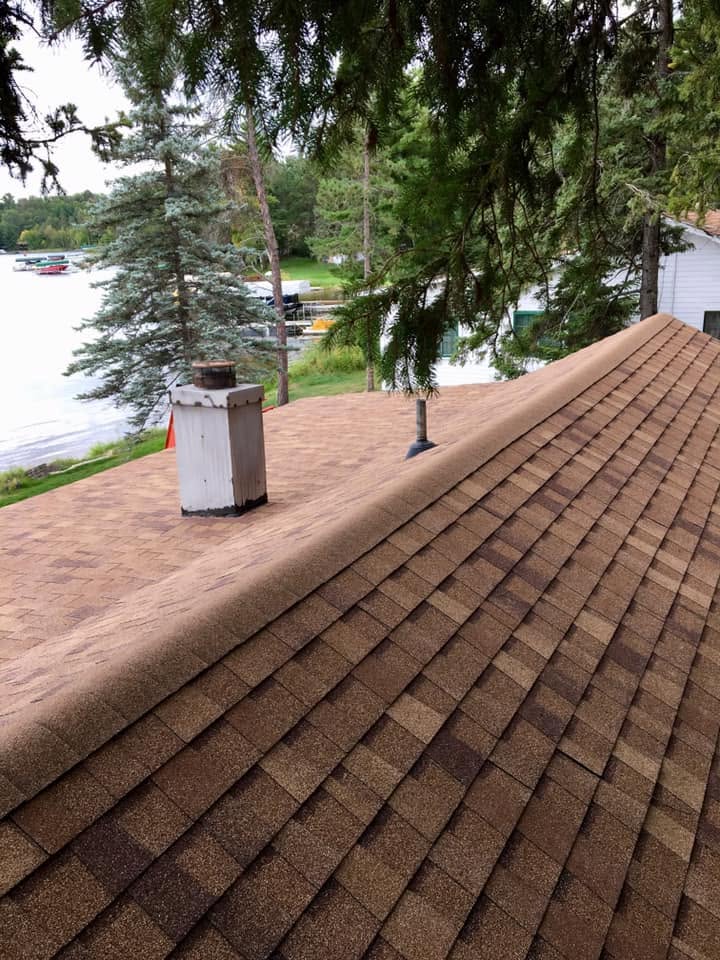
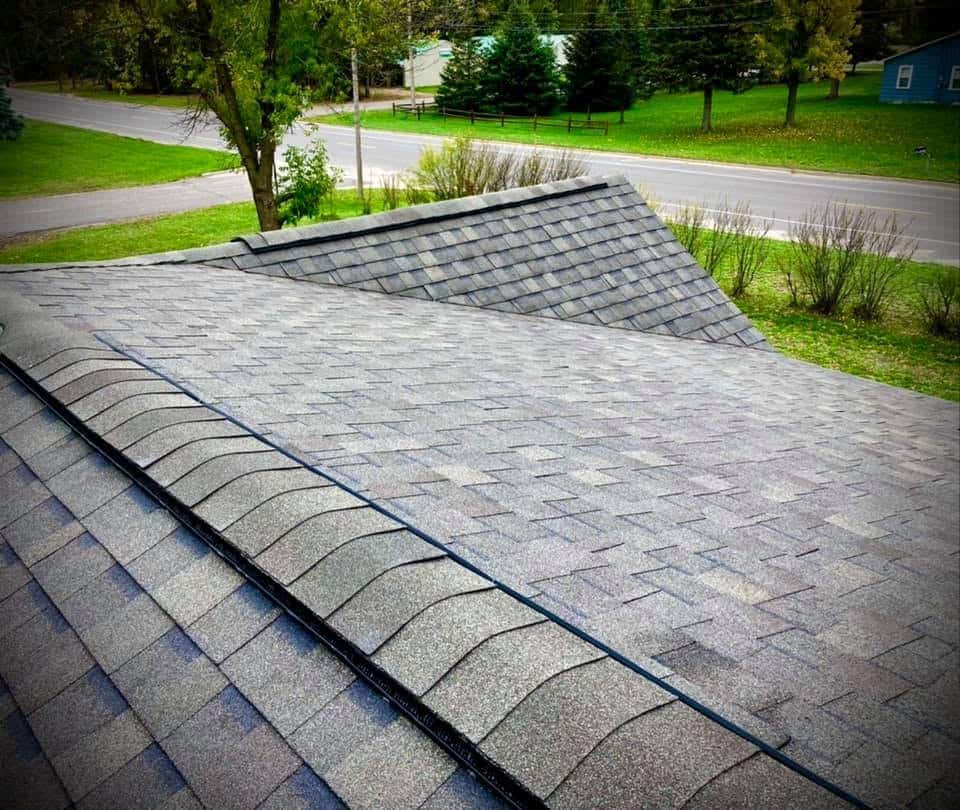
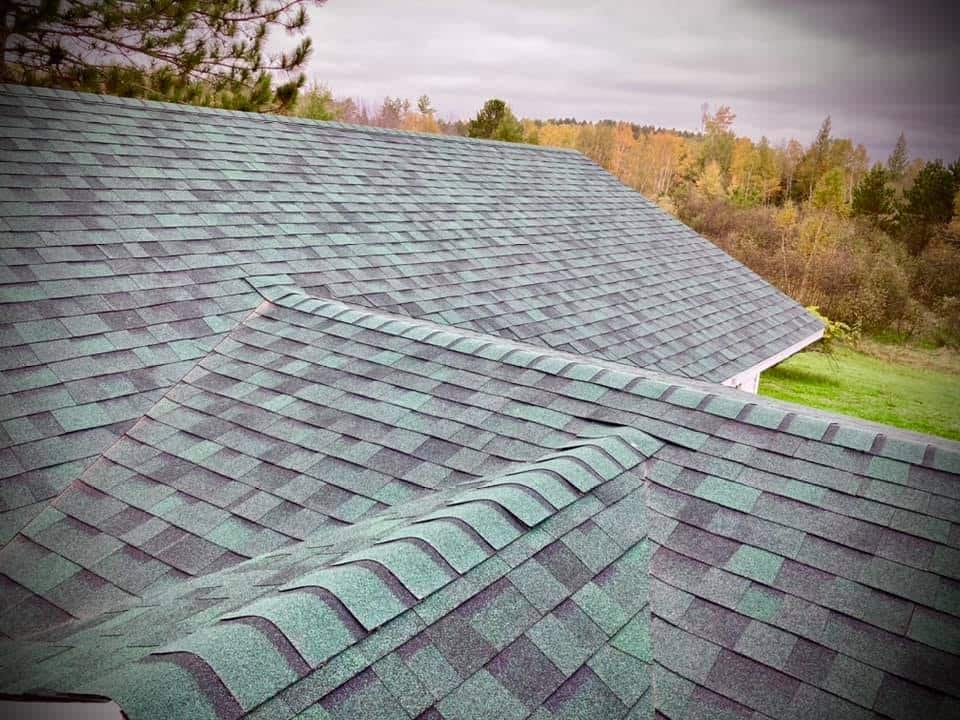
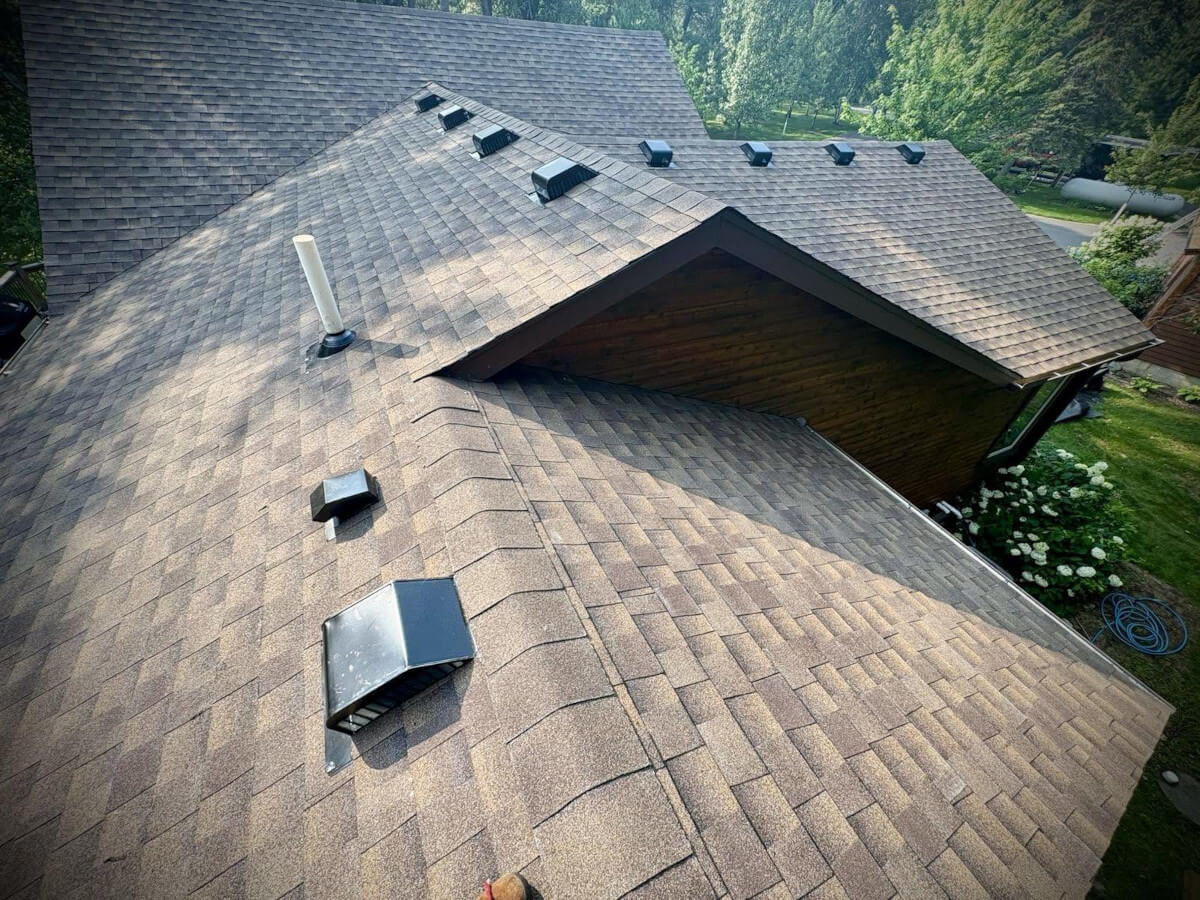
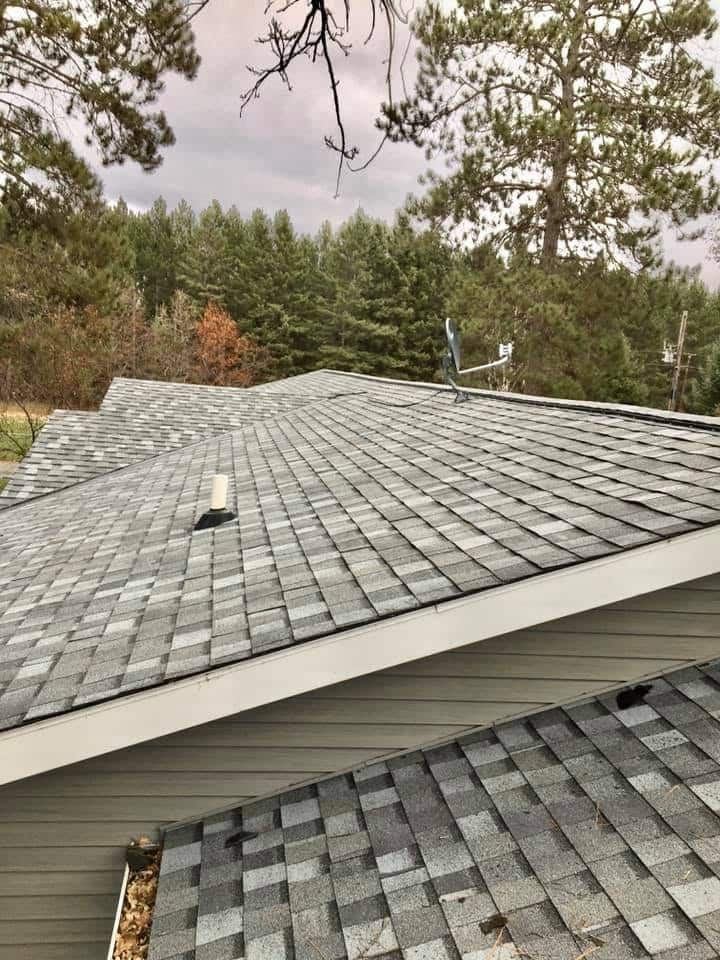
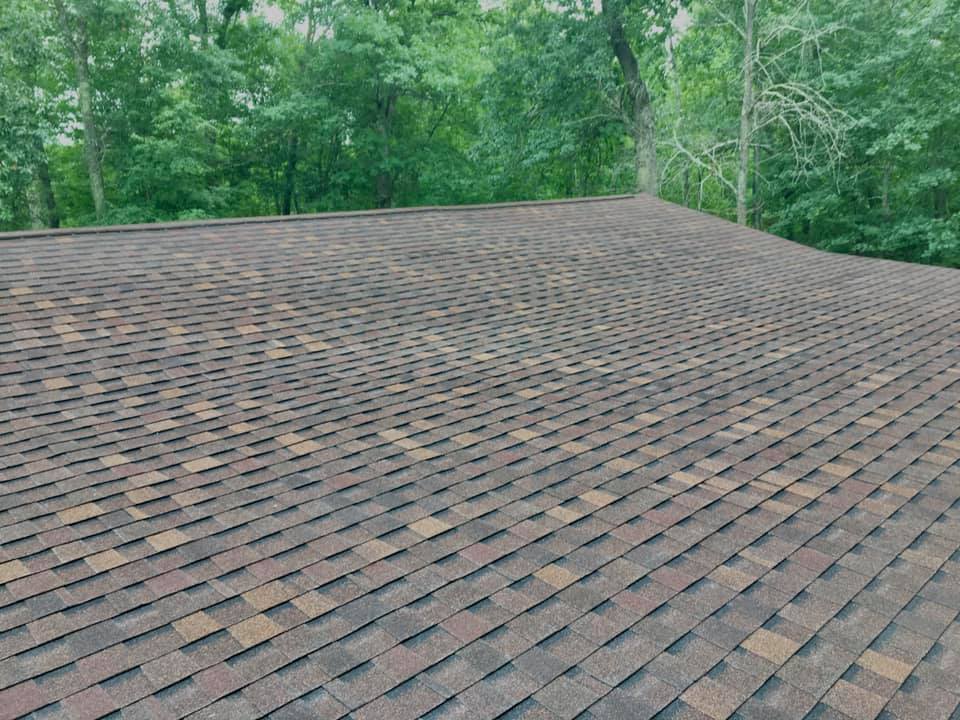
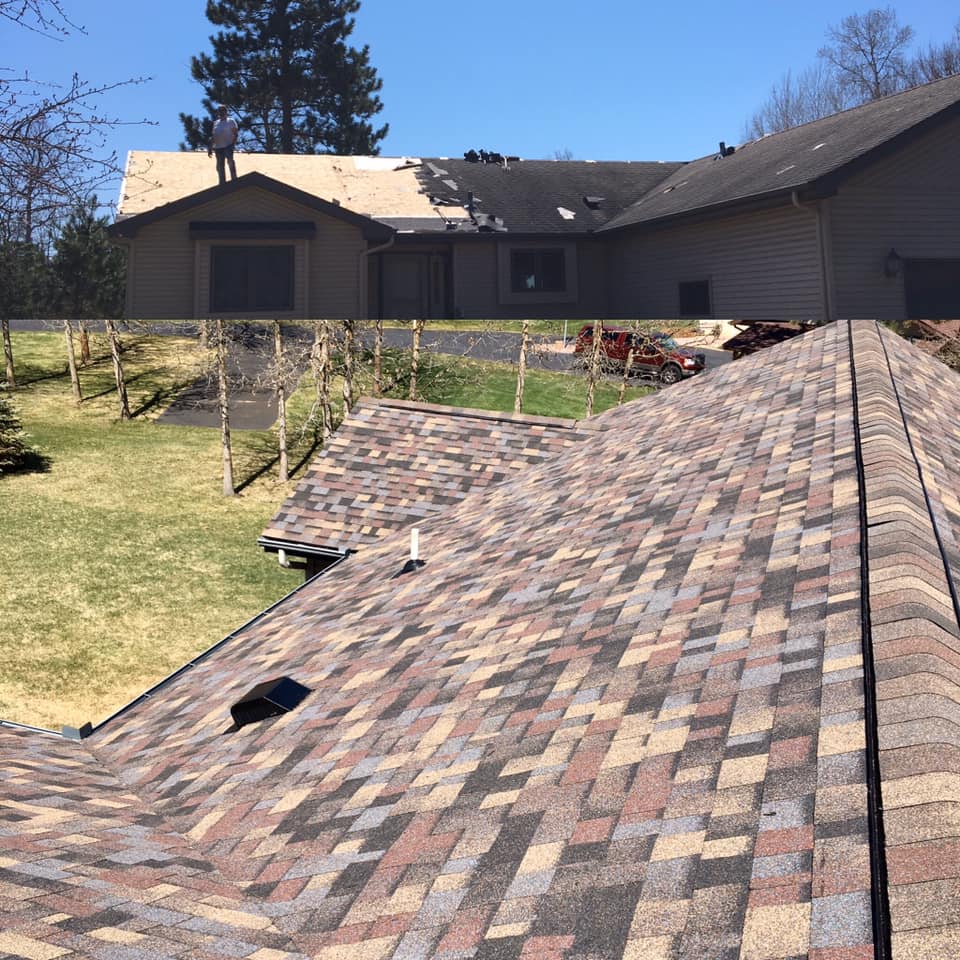
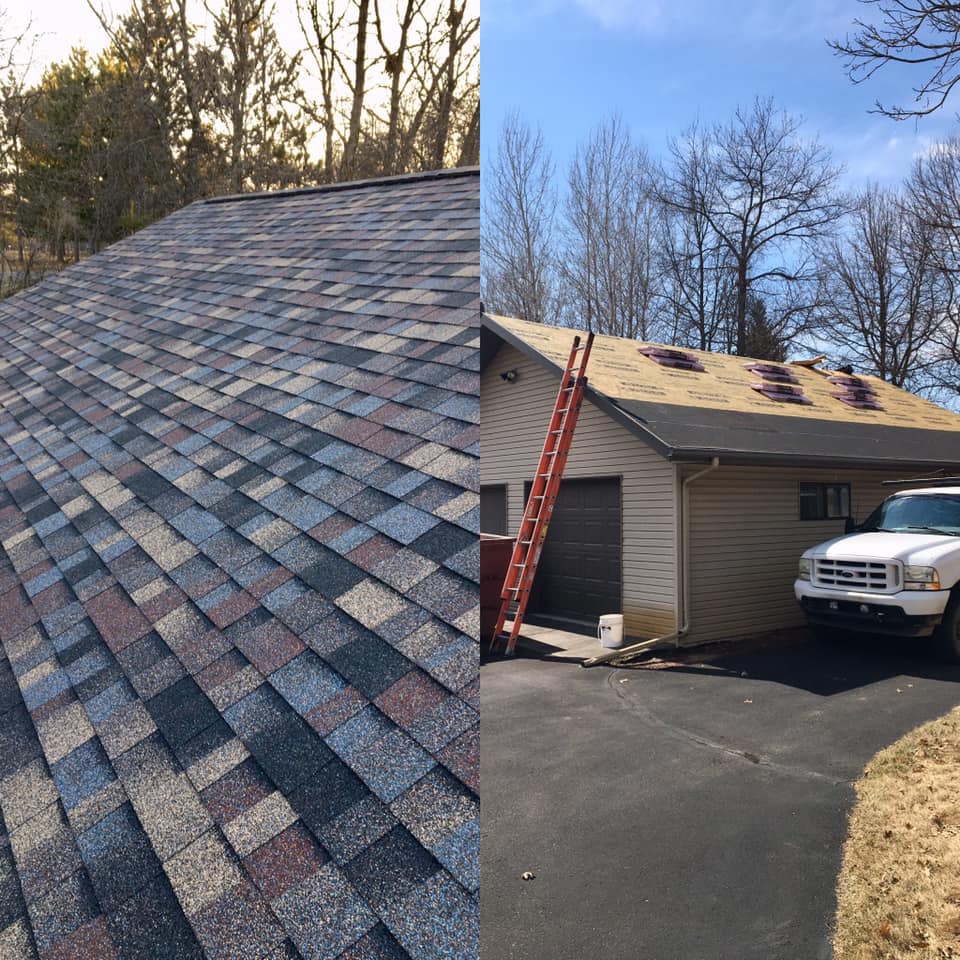
View Our Asphalt Shingles Roofing Projects Below
Frequently Asked Questions About Asphalt Roofing
How long does an asphalt roof last in Minnesota?
Most asphalt roofs last 20 to 30 years in Minnesota. Lifespan depends on installation quality, ventilation, maintenance, and weather exposure. Architectural shingles typically last longer than standard 3 tab shingles, especially when the entire roofing system is installed correctly and inspected periodically.
What are the signs I need a new asphalt roof?
Common signs include missing or curling shingles, granule loss, recurring leaks, storm damage, and roofs that are near or past their expected lifespan. A professional inspection can determine whether repairs are still practical or if replacement is the better long term investment.
Are architectural shingles better than 3-tab shingles?
Yes. Architectural shingles are thicker, more durable, and hold up better in wind and storm conditions. They also tend to last longer and offer a more dimensional appearance. They also provide greater dimensional appearance and are the most common choice for homes throughout Minnesota.
Can asphalt shingles handle Minnesota winters?
Yes. Asphalt shingles are designed to handle snow, ice, freezing temperatures, and high winds when installed as part of a complete roofing system with proper underlayment, flashing, ventilation, and ice and water protection.
How much does an asphalt roof replacement cost?
Pricing depends on roof size, pitch, materials, and condition of the existing roof. A full inspection is needed to give an accurate estimate. Every roof is different, so the most accurate way to determine cost is through a professional inspection and written estimate.
Can my roof be repaired instead of replaced?
If the damage is isolated, repair is often enough. If issues are widespread or the roof is nearing the end of its lifespan, replacement usually makes more sense long-term. The decision depends on the roof’s overall condition rather than the visible damage alone.
What types of asphalt shingles are available?
Common options include 3-tab shingles, architectural shingles, impact-resistant shingles, and designer shingles. Each varies in durability, appearance, and cost. Revival Roofing primarily recommends architectural asphalt shingles because they provide one of the best combinations of durability, appearance, and long term value for Minnesota homeowners.
How long does roof installation take?
Most asphalt roof replacements take 1–3 days depending on size, weather, and complexity. Weather conditions and unexpected deck repairs can occasionally extend the schedule.
Will a new asphalt roof increase home value?
Yes. A new roof improves curb appeal, buyer confidence, and resale value while helping reduce concerns during the home inspection process.
Do you offer free roof estimates?
Revival Roofing provides free roof inspections and estimates so homeowners can understand the condition of their roof before making a decision.
Can shingles be installed over an existing roof?
Sometimes, but a full tear-off is usually preferred. It allows inspection of the roof deck and helps prevent hidden issues. A complete tear off also allows hidden damage to the roof deck to be identified and repaired.
What’s the best shingle color for homes in Minnesota?
Neutral colors such as charcoal, weathered wood, and various shades of gray remain popular because they complement many home styles and perform well with changing architectural trends.
Will insurance cover roof replacement?
It depends on the cause of damage and policy coverage. Storm-related damage like wind or hail is often covered. Revival Roofing can help document storm damage so homeowners have the information needed when working with their insurance company.
How often should a roof be inspected?
At least once a year, and after major storms. Regular inspections can identify small issues before they develop into larger, more expensive repairs.
What should I look for in a roofing contractor?
Look for a contractor with experience, proper licensing and insurance, clear communication, quality materials, strong workmanship standards, and a willingness to explain recommendations rather than pressure you into unnecessary work.
Related Resources
Continue exploring our roofing services, nearby communities we serve, and helpful homeowner resources.
Protect Your Home with Professional Asphalt Roofing Services
Whether you’re replacing an aging roof, recovering from storm damage, or simply want to understand your roof’s condition, Revival Roofing is here to provide honest recommendations and professional asphalt roofing services throughout the Brainerd Lakes area.
Schedule your free roof inspection or estimate today and get the information you need to make a confident decision about your home.

(218) 866-0957
Pine River, MN
Hours: Mon-Sat 8am - 8pm
Serving the Brainerd Lakes Area
Brainerd • Baxter • Pine River • Nisswa
Crosslake • Pequot Lakes • Hackensack
Contact / Request an appt
2026 © Revival Roofing | All Rights Reserved | Privacy Policy
Licensed & Insured — MN License #RR806717