Professional Roof Maintenance in the Brainerd Lakes Area
Minnesota weather can be tough on a roof. Between heavy snow, ice buildup, hail, wind, and rapid temperature changes, even a well-built roofing system takes a beating throughout the year. Regular roof maintenance helps catch small issues early before they turn into leaks, interior damage, or costly repairs.
At Revival Roofing, we help homeowners throughout the Brainerd Lakes Area keep their roofs in good condition with thorough inspections, preventative maintenance, and honest recommendations. Whether your roof has recently gone through a rough winter or you simply want to extend its lifespan, routine maintenance can help protect your investment and avoid unexpected problems down the road.
✓ Roofing Experience Since 1991
✓ Locally Owned & Operated
✓ Licensed & Insured
✓ Free Roof Inspections
Why Roof Maintenance Matters
Your roof works every day to protect your home from rain, snow, wind, sunlight, and changing temperatures. While asphalt shingles are built to last, every roofing system experiences gradual wear over time. Small issues that go unnoticed can eventually develop into leaks, damaged decking, or expensive repairs.
Routine roof maintenance is one of the simplest ways to protect your investment. By identifying minor concerns early, homeowners often avoid larger problems that are more disruptive and costly to fix later.
At Revival Roofing, our maintenance approach focuses on helping homeowners understand the current condition of their roof while addressing small maintenance items whenever appropriate. Whether your roof is only a few years old or approaching the later stages of its lifespan, periodic maintenance can help keep it performing as intended.
Proper roof maintenance may help:
- Extend the life of your roofing system
- Detect developing problems before they become major repairs
- Improve drainage during heavy rain
- Reduce the risk of water intrusion
- Protect flashing and roof penetrations
- Prepare your roof for Minnesota’s changing seasons
No roof lasts forever, but regular attention can help maximize the years you get from your roofing investment.
💡 Homeowner Tip
Protect Small Problems Before They Grow
Many roofing issues begin as minor damage that is difficult to notice from the ground. Scheduling periodic maintenance and inspections allows small concerns to be identified before they have an opportunity to become expensive repairs.
🏡 From the Roof
The best time to fix a roofing problem is before it becomes a leak. Preventive maintenance often costs far less than emergency repairs.
Understanding what professional roof maintenance actually includes can help you know what to expect during a service visit.
What Roof Maintenance Includes
Professional roof maintenance is more than simply looking over the shingles. A thorough maintenance visit evaluates the components that work together to protect your home and identifies small issues before they become larger problems.
At Revival Roofing, maintenance focuses on the overall condition of your roofing system while addressing minor concerns that can shorten the life of your roof if left unattended. Every roof is different, so the specific recommendations will depend on the age of your roof, previous repairs, surrounding trees, and recent weather conditions.
A typical roof maintenance visit may include:
Visual Roof Assessment
The roof surface is examined for signs of normal aging or developing damage, including:
- Missing or damaged shingles
- Lifted or loose shingles
- Cracked or curled shingles
- Granule loss
- Exposed fasteners
- Storm-related damage
Flashing Inspection
Flashing is one of the most common locations for roof leaks. Areas around chimneys, roof walls, skylights, plumbing vents, and other penetrations are checked for signs of movement, corrosion, gaps, or deterioration.
Roof Penetrations
Pipe boots, vent covers, exhaust vents, and other penetrations are inspected to verify they remain properly sealed and continue protecting against moisture intrusion.
Gutters and Drainage
Proper drainage plays an important role in protecting your roof. During maintenance, visible drainage concerns may be identified, including:
- Clogged gutters
- Overflow areas
- Improper drainage patterns
- Debris buildup
- Signs of standing water
Roof Debris
Leaves, branches, pine needles, and other debris can trap moisture against roofing materials. Removing buildup helps improve drainage and reduces unnecessary wear.
Attic Ventilation Review
When accessible, visible signs of ventilation concerns may be noted. Proper attic ventilation helps regulate temperatures, reduce excess moisture, and support the long-term performance of your roofing system.
Maintenance Recommendations
After the inspection, you’ll receive clear recommendations explaining:
- Items that simply need monitoring
- Minor maintenance that should be completed
- Repairs that may help prevent future damage
- Whether your roof appears to be in good overall condition
Our goal is never to recommend unnecessary work. We believe homeowners should have the information they need to make confident decisions about protecting their home.
Is It Time for Roof Maintenance?
| If you notice… | Maintenance may help if… |
|---|---|
| Leaves collecting in roof valleys | Debris is preventing proper drainage |
| Small areas of lifted shingles | Damage is minor and hasn’t caused leaks |
| Loose flashing | Seals can be addressed before water enters |
| Moss or algae beginning to grow | Growth is limited and caught early |
| No visible problems | Your roof hasn’t been professionally evaluated in several years or has experienced recent severe weather |
🏡 From the Roof
Most roof failures don’t happen overnight. They usually begin with a small issue that goes unnoticed until water finds its way inside.
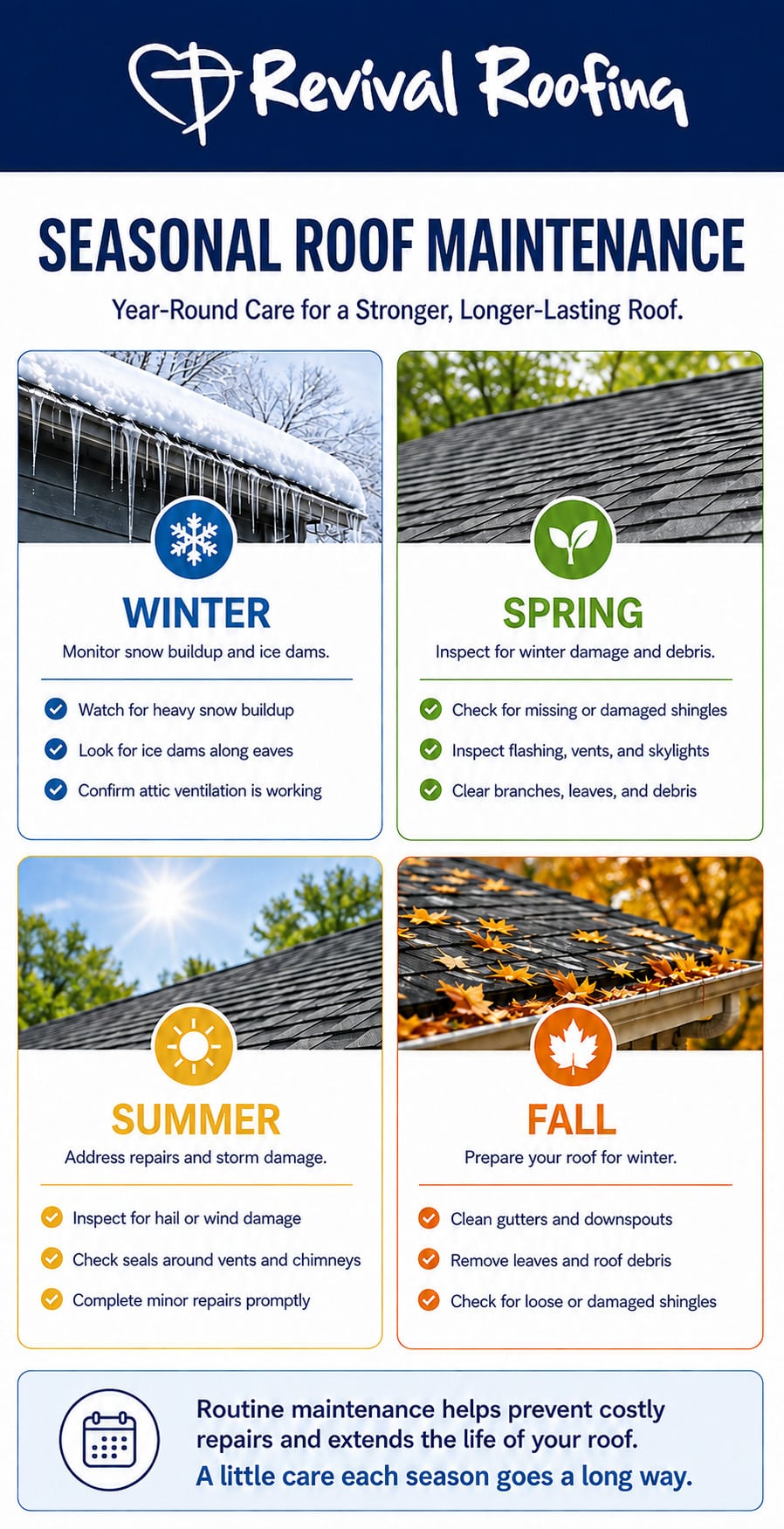
Minnesota’s climate places unique demands on every roofing system. Understanding how each season affects your roof can help homeowners know when maintenance is most beneficial.
Seasonal Roof Maintenance in Minnesota
Living in the Brainerd Lakes Area means your roof is exposed to a wide range of weather conditions throughout the year. Heavy snowfall, spring rain, summer storms, strong winds, and fluctuating temperatures all contribute to the gradual aging of roofing materials.
While asphalt shingles are designed to withstand the elements, seasonal maintenance can help identify weather related wear before it leads to more significant problems. Understanding what to watch for during each season helps homeowners protect their investment year round.
Spring
As snow melts and temperatures begin to rise, spring is an ideal time to evaluate your roof after winter.
Look for:
- Missing or damaged shingles
- Loose flashing
- Debris collected in roof valleys
- Clogged gutters
- Signs of water staining in the attic or on ceilings
Spring inspections can help uncover damage caused by ice, snow loads, or freeze and thaw cycles before the region’s spring rains arrive.
Summer
Warm weather is often the best time to complete maintenance or repairs.
During summer, it’s a good idea to watch for:
- Storm damage from hail or high winds
- Granule loss
- Damaged seal strips
- Loose ridge cap shingles
- Tree branches rubbing against the roof
Summer maintenance also provides an opportunity to address small issues before colder weather returns.
Fall
Preparing your roof for winter is one of the most valuable maintenance steps a homeowner can take.
Important fall tasks include:
- Removing leaves and debris
- Cleaning gutters and downspouts
- Checking flashing around roof penetrations
- Trimming overhanging branches
- Confirming proper roof drainage
A well prepared roof is better equipped to handle snow accumulation and freezing temperatures.
Winter
Although major roofing work is less common during winter, homeowners should continue monitoring their roof from the ground.
Watch for:
- Ice dams
- Heavy snow accumulation
- Icicles forming along the roof edge
- Interior water stains
- Sagging roof areas
If you notice signs of a leak or significant storm damage, it’s important to have the roof evaluated as soon as conditions safely allow.
Routine maintenance throughout the year helps reduce surprises and gives homeowners greater confidence that their roof is ready for Minnesota’s changing seasons.
Spring
✔ Check for winter storm damage
✔ Inspect gutters and downspouts
✔ Look for loose or missing shingles
Summer
✔ Inspect after severe thunderstorms
✔ Trim overhanging tree branches
✔ Watch for granule loss
Fall
✔ Remove leaves and debris
✔ Clean gutters before freezing weather
✔ Schedule a professional roof inspection if needed
Winter
✔ Monitor snow accumulation
✔ Watch for ice dams
✔ Check ceilings for signs of leaks
💡 Homeowner Tip
Stay Safe During Roof Checks
Many roof maintenance tasks begin with a simple visual inspection from the ground. If you notice damage or have concerns about your roof’s condition, avoid climbing onto the roof yourself. A professional inspection is the safest way to evaluate potential issues.
🏡 From the Roof
Minnesota roofs don’t wear out from one season. It’s the combined effects of every season that gradually take their toll.
Even with regular maintenance, some roofing issues require prompt attention. Knowing the warning signs can help you address problems before they become more costly.
Signs Your Roof Needs Attention
Not every roofing problem is obvious. In many cases, early signs of wear can be difficult to spot from the ground, which is why routine maintenance and periodic inspections are so valuable. Catching small issues early often allows homeowners to address them before they develop into more extensive damage.
If you notice any of the following warning signs, it’s a good idea to have your roof professionally evaluated.
Missing or Damaged Shingles
High winds, hail, and years of weather exposure can loosen or damage shingles. Missing shingles leave the underlying roofing system exposed to moisture and should be addressed promptly.
Water Stains Inside Your Home
Brown stains on ceilings or walls may indicate that water has found a way into your home. While the leak may appear inside, the source on the roof could be several feet away, making a professional inspection important.
Granules in Your Gutters
As asphalt shingles age, they naturally lose protective granules. A small amount is normal, but excessive granule loss may indicate that your roof is nearing the end of its service life or has experienced storm damage.
Loose or Damaged Flashing
Flashing around chimneys, vents, skylights, and roof transitions helps prevent water intrusion. If flashing becomes loose, cracked, or corroded, it can create an entry point for moisture.
Sagging Areas
A roof should appear straight and even. Any sagging or uneven sections could indicate underlying structural issues or prolonged moisture damage and should be evaluated as soon as possible.
Moss, Algae, or Debris Buildup
Organic growth and accumulated debris can trap moisture against the roof surface. While not every case causes immediate damage, removing buildup and identifying the underlying cause can help protect your roofing system.
Rising Energy Bills
If your heating or cooling costs have increased unexpectedly, poor attic ventilation or roofing issues may be contributing factors. A roof inspection can help determine whether your roofing system is part of the problem.
Your Roof Is Over 15 to 20 Years Old
Age alone doesn’t mean your roof needs replacement, but older roofs benefit from more frequent evaluations. Regular maintenance can help determine whether your roof is still performing well or whether repairs or replacement should be considered.
Quick Warning Sign Checklist
If you notice any of these issues, consider scheduling a professional roof inspection:
✔ Missing or lifted shingles
✔ Water stains on ceilings or walls
✔ Granules collecting in gutters
✔ Loose flashing around vents or chimneys
✔ Debris buildup in roof valleys
✔ Moss or algae growth
✔ Sagging roof sections
✔ Damage after hail or high winds
💡 Homeowner Tip
Don’t Wait for a Leak
Many roofing problems begin long before water enters your home. Addressing minor issues early is often less expensive and helps reduce the risk of more extensive repairs later.
🏡 From the Roof
Your roof often gives small warning signs before a major problem develops. Knowing what to watch for can make all the difference.
Not every roofing concern requires the same solution. Understanding the difference between routine maintenance and roof repair can help homeowners make informed decisions about the care their roof needs.
Roof Maintenance vs. Roof Repair
Roof maintenance and roof repair both help protect your home, but they serve different purposes. Understanding the difference can help homeowners choose the right service and address problems before they become more serious.
Roof Maintenance
Roof maintenance is preventative. Its goal is to keep your roofing system in good condition by identifying normal wear, monitoring aging components, and addressing small issues before they develop into larger problems.
Maintenance is often appropriate when:
- Your roof is in generally good condition
- You want to help extend the life of your roof
- You haven’t had your roof evaluated in several years
- Your roof has recently experienced seasonal weather or storms
- You want peace of mind before buying or selling a home
Routine maintenance can often identify concerns before they require more extensive repairs.
Roof Repair
Roof repair addresses existing damage that is already affecting the performance of your roofing system.
Repairs may be recommended when your roof has:
- Missing shingles
- Damaged flashing
- Roof leaks
- Storm damage
- Exposed roofing materials
- Loose ridge caps
- Damaged pipe boots or roof penetrations
The goal of a repair is to restore the roof’s ability to protect your home and prevent additional damage.
Sometimes Maintenance Leads to Repairs
Many homeowners schedule maintenance expecting everything to look fine, only to discover a small issue that can be corrected before it becomes much more expensive.
For example, replacing a damaged pipe boot or securing loose flashing during a maintenance visit is often far less costly than repairing water damage after a leak develops.
Likewise, a maintenance inspection may confirm that your roof is in excellent condition, giving you confidence that no immediate work is needed.
Our approach is simple. We provide an honest assessment of your roof’s condition and explain your options clearly, without recommending services you don’t need.
Maintenance or Repair?
| Situation | Recommended Service |
|---|---|
| No visible damage but roof hasn’t been evaluated in years | Roof Maintenance |
| Roof recently experienced severe weather | Roof Inspection and Maintenance |
| Small areas of wear are beginning to appear | Roof Maintenance |
| Missing shingles or flashing damage | Roof Repair |
| Water stains inside the home | Roof Inspection and Roof Repair |
| Active roof leak | Roof Repair |
| Widespread aging or extensive damage | Roof Inspection to determine whether repair or replacement is the better option |
💡 Homeowner Tip
Early Repairs Are Often Smaller Repairs
A loose shingle or damaged flashing may seem minor today, but those small issues can allow water to enter the roofing system over time. Addressing problems early is often the most cost effective approach.
🏡 From the Roof
Routine maintenance helps prevent problems. Roof repairs solve problems that have already developed. Knowing the difference helps homeowners make informed decisions.
Whether your roof needs routine maintenance or minor repairs, having a consistent process helps ensure nothing is overlooked. Here’s what you can expect when you schedule roof maintenance with Revival Roofing.
Our Roof Maintenance Process
Regular roof maintenance should be simple, informative, and stress free. Our goal is to help you understand the condition of your roof while identifying any issues that could affect its long term performance.
Here’s what you can expect when you schedule roof maintenance with Revival Roofing.
① Schedule Your Maintenance Visit
We’ll discuss your concerns, the age of your roof if known, and whether you’ve experienced recent storms or noticed any changes. We’ll then schedule a convenient time to evaluate your roof.
② Perform a Thorough Roof Evaluation
Our team visually evaluates the condition of your roofing system, including shingles, flashing, roof penetrations, drainage areas, and other visible components.
We’ll look for signs of normal aging, storm damage, loose materials, debris buildup, and other issues that may require attention.
③ Review Our Findings With You
After the evaluation, we’ll explain what we found in clear, straightforward language.
If your roof is in good condition, we’ll let you know. If we discover maintenance items or developing concerns, we’ll discuss your options and answer any questions you have.
We believe homeowners should have the information they need to make confident decisions without feeling pressured into unnecessary work.
④ Address Minor Maintenance Items
Depending on the condition of your roof, small maintenance items may be completed or recommended to help prevent future problems.
Examples may include:
- Removing debris from roof valleys
- Identifying loose flashing
- Noting worn sealants around roof penetrations
- Recommending gutter cleaning or drainage improvements
- Identifying areas that should continue to be monitored
If repairs are needed beyond routine maintenance, we’ll explain why they’re recommended before any work is performed.
⑤ Help You Plan for the Future
Every roof ages differently. Before we leave, we’ll provide practical recommendations based on your roof’s current condition.
That may include:
- No additional work needed at this time
- Continue monitoring specific areas
- Schedule a future inspection after severe weather
- Plan for minor repairs
- Begin preparing for eventual roof replacement if your roof is approaching the end of its expected lifespan
Our goal is to help you make informed decisions that protect your home while getting the most from your roofing investment.
💡 Homeowner Tip
Regular Maintenance Helps You Stay Ahead
Scheduling maintenance before problems develop allows small concerns to be identified early, often reducing the likelihood of unexpected repairs and extending the life of your roofing system.
🏡 From the Roof
A maintenance visit isn’t about finding reasons to replace your roof. It’s about helping you understand its condition so you can make informed decisions with confidence.
Roof Maintenance Cost Factors
One of the first questions homeowners ask is, “How much does roof maintenance cost?” The answer depends on several factors, including the size and condition of your roof and whether any issues are discovered during the evaluation.
Because every home is different, Revival Roofing provides recommendations based on the specific needs of your roofing system rather than a one size fits all approach.
Several factors can influence roof maintenance services.
Roof Size and Design
Larger roofs generally require more time to evaluate than smaller homes. Complex roof designs with multiple slopes, valleys, dormers, skylights, or chimneys may also require additional attention.
Roof Age
Older roofs often benefit from a more detailed evaluation because roofing materials naturally wear over time. While age doesn’t automatically mean repairs are needed, it may increase the number of areas that should be monitored.
Accessibility
The ease of accessing your roof can affect the amount of time required to safely perform maintenance. Steeper roofs or areas with limited access may require additional safety precautions.
Existing Roof Condition
A roof in good condition may only require routine maintenance and monitoring. If developing issues such as damaged shingles, deteriorated flashing, or drainage concerns are discovered, we’ll explain our findings and discuss the most appropriate next steps.
Storm Exposure
Recent hail, high winds, heavy snowfall, or fallen tree branches may increase the amount of time needed to thoroughly evaluate your roof for weather related damage.
What You’re Really Investing In
Routine roof maintenance isn’t simply about today’s visit. It’s about reducing the likelihood of unexpected repairs, identifying developing issues early, and helping your roofing system perform as intended for as long as possible.
Even when no repairs are needed, knowing your roof is in good condition provides valuable information for planning future maintenance and protecting your home.
Cost Factors at a Glance
| Factor | May Affect Maintenance Time |
|---|---|
| Roof size | Larger roofs require more evaluation |
| Roof complexity | Valleys, dormers, skylights, and multiple roof lines increase inspection time |
| Roof age | Older roofs may require a closer evaluation |
| Accessibility | Steep or difficult to access roofs take longer to inspect safely |
| Recent storms | Additional time may be needed to identify weather related damage |
💡 Homeowner Tip
The Lowest Cost Isn’t Always the Best Value
A thorough maintenance visit should provide a clear understanding of your roof’s condition, not just a quick walk around the property. Knowing what to monitor can help you make informed decisions and avoid unexpected surprises later.
🏡 From the Roof
Good roof maintenance isn’t measured by how long someone spends on your roof. It’s measured by how thoroughly they evaluate it and how clearly they explain what they found.
While professional maintenance plays an important role in protecting your roof, there are also simple steps homeowners can take throughout the year to help keep their roofing system in good condition.
Roof Maintenance Tips for Homeowners
While professional roof maintenance plays an important role in protecting your home, there are also several simple habits homeowners can practice throughout the year. These steps won’t replace a professional evaluation, but they can help you spot potential issues early and reduce unnecessary wear on your roofing system.
Many roofing problems begin as small concerns that are easier and less expensive to address when caught early.
Inspect Your Roof From the Ground
After major storms, take a few minutes to walk around your home and look at your roof from the ground.
Watch for:
- Missing or lifted shingles
- Fallen tree branches
- Damaged flashing
- Debris collecting in roof valleys
- Sagging areas
If something doesn’t look right, schedule a professional inspection rather than climbing onto the roof yourself.
Keep Gutters Clean
Leaves, pine needles, and other debris can prevent gutters from draining properly. Overflowing gutters may allow water to back up along the roof edge and increase the risk of moisture problems.
Cleaning gutters regularly helps direct water safely away from your roof and foundation.
Trim Overhanging Tree Branches
Tree limbs that touch or hang over your roof can scrape shingles during windy conditions and increase the amount of leaves and debris that collect on the roof.
Keeping branches trimmed also reduces the chance of storm damage from falling limbs.
Watch for Changes Inside Your Home
Your roof doesn’t always show the first signs of a problem on the outside.
Periodically check for:
- Ceiling stains
- Damp attic insulation
- Musty odors
- Peeling paint near ceilings
- Unexpected drafts in the attic
These changes may indicate it’s time to have your roof professionally evaluated.
Schedule Periodic Roof Inspections
Even if your roof appears to be in good condition, professional inspections after severe weather or every few years can help identify developing issues before they become more significant.
Routine evaluations provide a better understanding of your roof’s condition and help you plan for future maintenance or repairs.
Roof Maintenance Checklist
Simple Steps to Help Protect Your Roof
✔ Inspect your roof from the ground after major storms.
✔ Keep gutters and downspouts free of debris.
✔ Trim tree branches that contact the roof.
✔ Watch ceilings and attic spaces for signs of moisture.
✔ Remove leaves and debris from roof valleys when it can be done safely.
✔ Schedule a professional roof inspection if you notice damage or after severe weather.
💡 Homeowner Tip
Safety Comes First
Never walk on your roof unless you have the proper training and safety equipment. Many roofing issues can be identified from the ground, and a professional inspection is the safest way to evaluate areas that aren’t easily visible.
🏡 From the Roof
Consistent attention goes a long way. A few simple maintenance habits throughout the year can help homeowners catch small issues before they become bigger problems.
Read Our Customer Testimonials




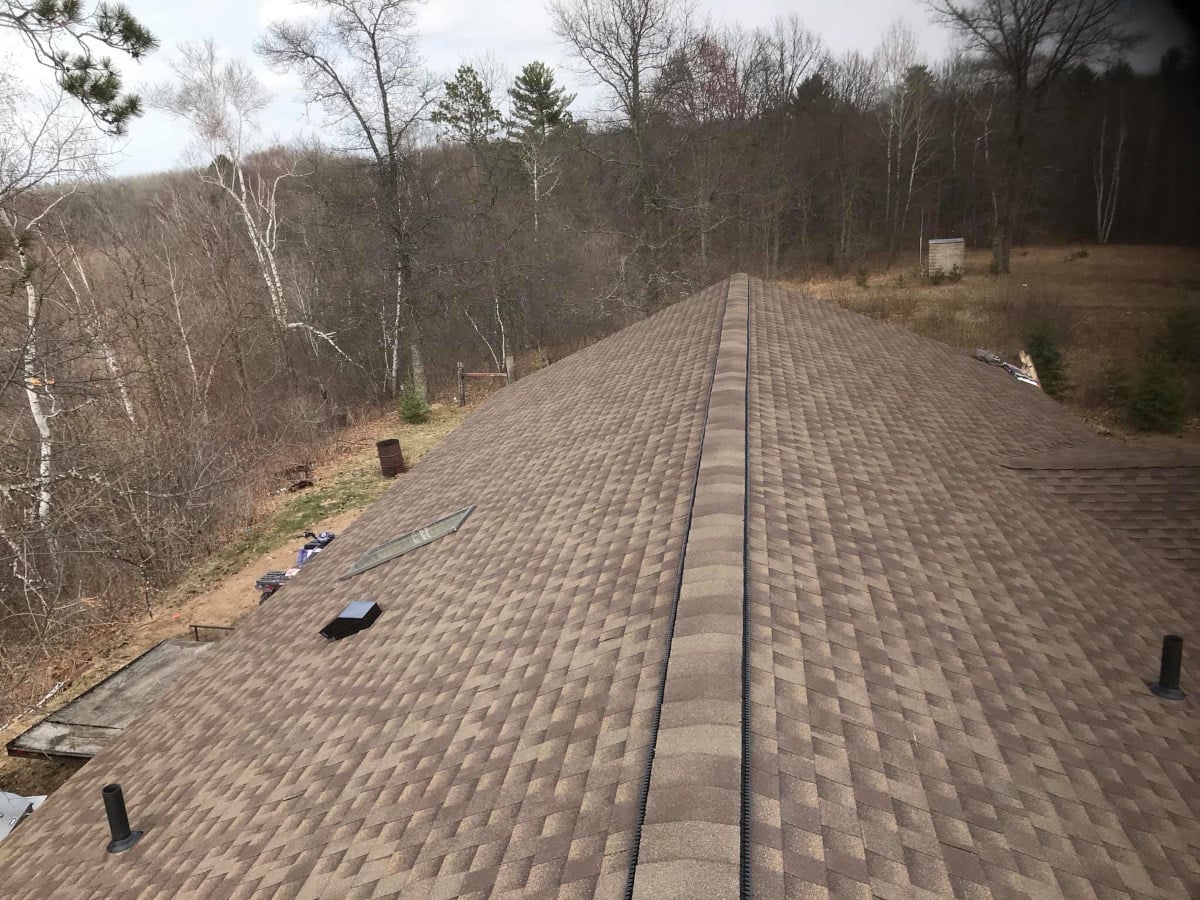
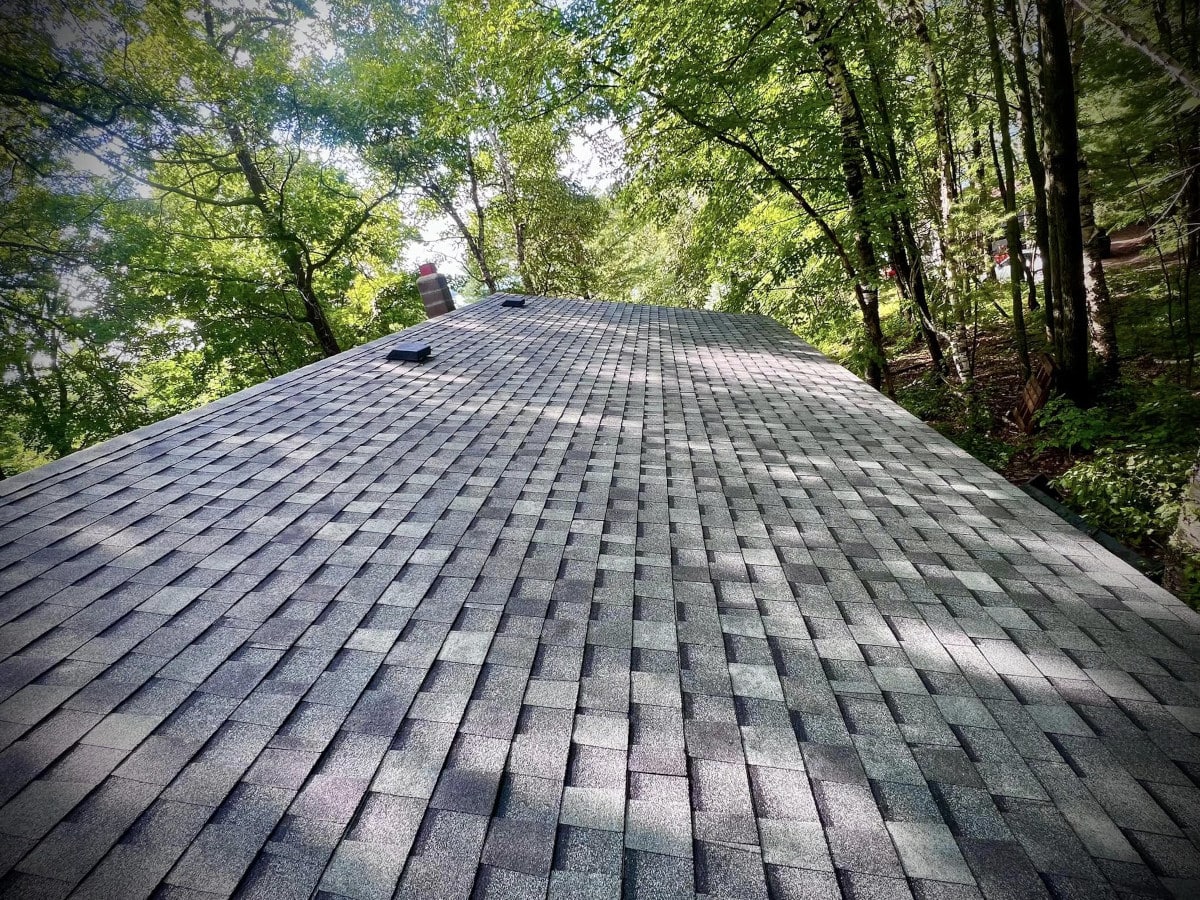
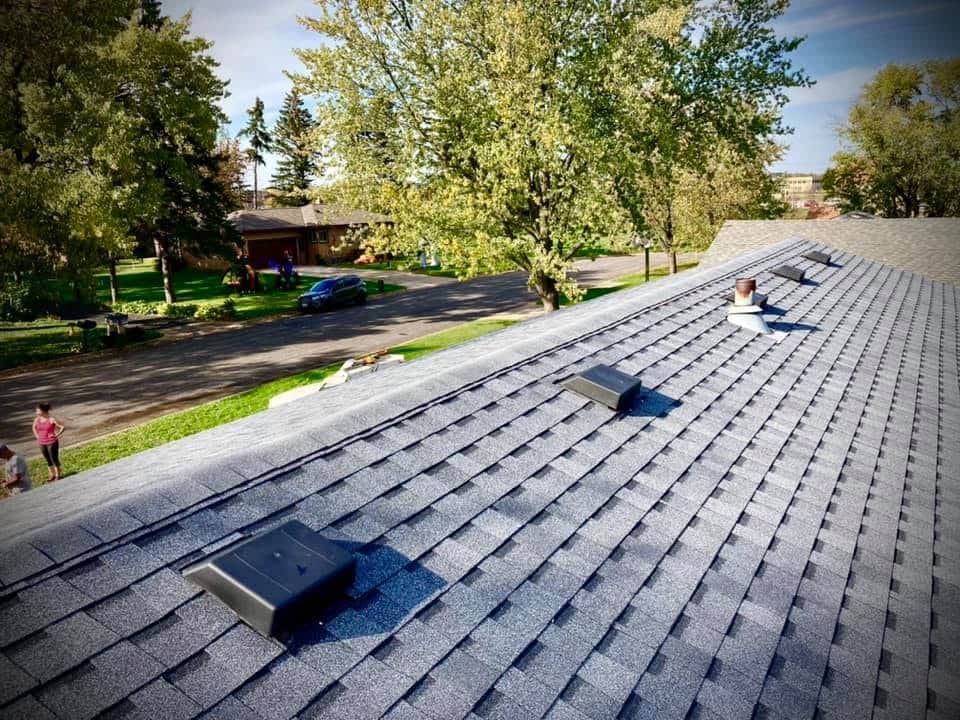
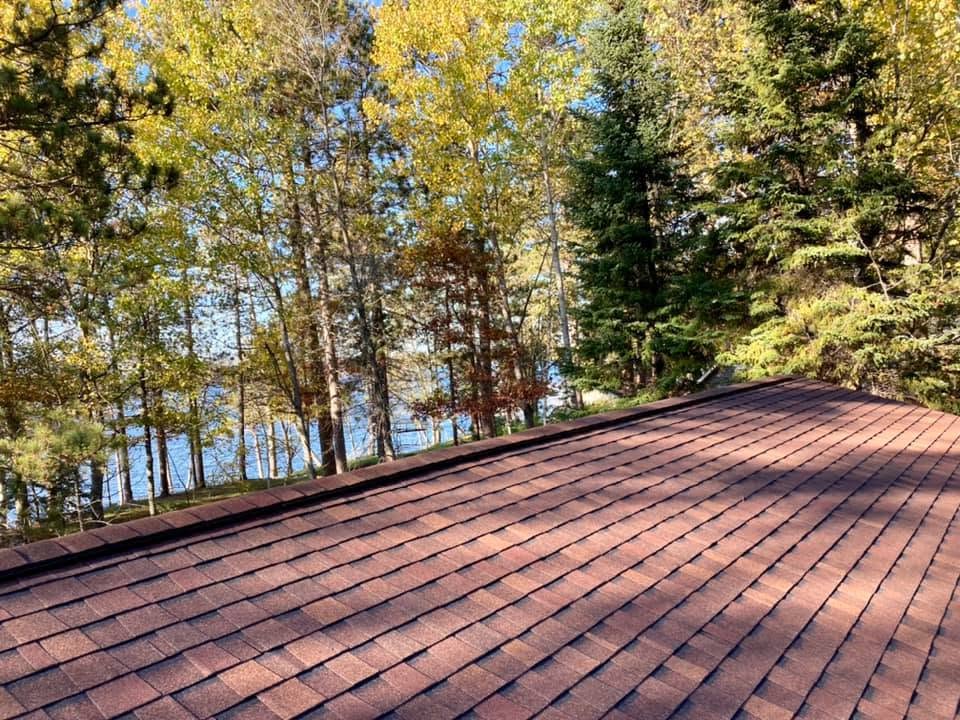
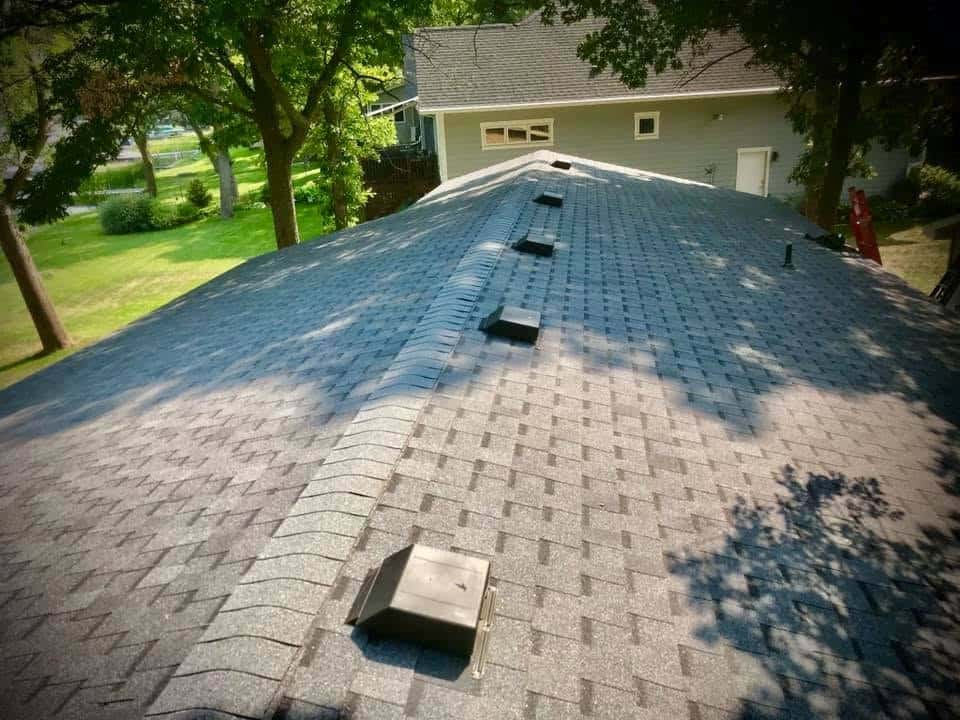
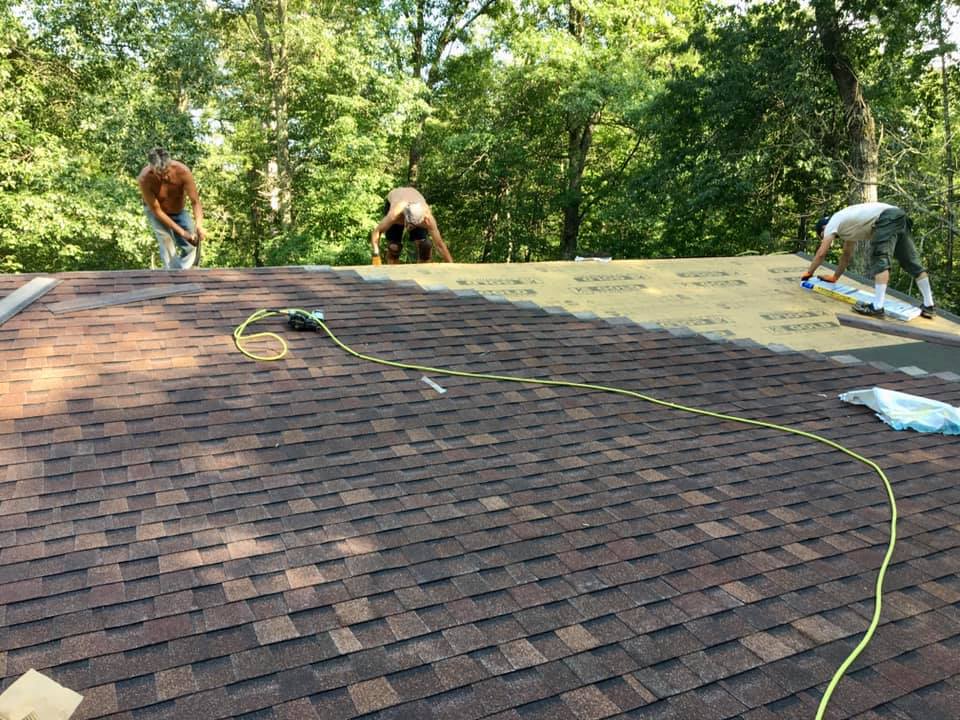
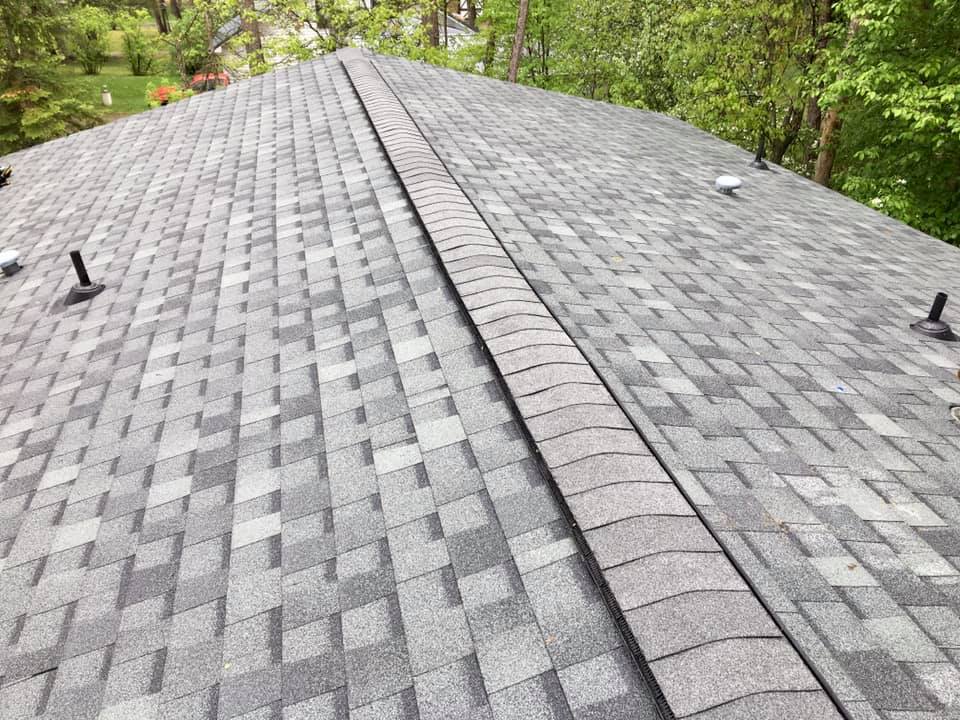
View Our Roofing Projects in Brainerd Lakes Area
Frequently Asked Questions
Why is roof maintenance important?
Routine roof maintenance helps identify small issues before they develop into more expensive problems. Regular evaluations can help extend the life of your roofing system, improve drainage, and reduce the likelihood of unexpected repairs.
How often should a roof be professionally inspected?
Most homeowners benefit from having their roof professionally inspected every few years and after severe weather such as hail, high winds, or heavy snowfall. The ideal schedule depends on your roof’s age, condition, and recent weather exposure.
What does roof maintenance include?
Roof maintenance may include evaluating shingles, flashing, roof penetrations, drainage areas, gutters, visible signs of wear, and debris buildup. The goal is to identify developing concerns and recommend any maintenance or repairs that may help protect your roof.
Can roof maintenance help extend the life of my roof?
Yes. While no maintenance program can prevent normal aging, identifying and addressing small issues early can help reduce unnecessary wear and allow your roofing system to perform as intended for as long as possible.
Should I have my roof inspected after a storm even if I don't see damage?
Yes. Storm damage isn’t always visible from the ground. High winds and hail can damage shingles or flashing without creating an immediate leak. A professional inspection can help determine whether your roof sustained damage that should be addressed.
Can I perform roof maintenance myself?
Homeowners can safely monitor their roof from the ground, keep gutters clean, and watch for signs of damage inside the home. However, climbing onto a roof can be dangerous. Professional evaluations provide a safer and more thorough assessment.
How do I know if I need maintenance, repairs, or a roof replacement?
The best way to determine the condition of your roof is through a professional inspection. Depending on what is found, your roof may only require routine maintenance, minor repairs, or, if it is nearing the end of its lifespan, replacement. Revival Roofing provides honest recommendations based on the condition of your roofing system.
Does Revival Roofing provide free roof inspections?
Yes. Revival Roofing offers free roof inspections for homeowners throughout the Brainerd Lakes Area. We’ll evaluate your roof, explain our findings, and provide straightforward recommendations so you can make informed decisions about your home.
Related Resources
Protect Your Roof Before Small Problems Become Bigger One
Your roof protects your home every day, but even a well built roofing system benefits from periodic maintenance and professional evaluations. Identifying minor concerns early can help reduce the risk of unexpected repairs and give you a better understanding of your roof’s overall condition.
Whether you’re maintaining a newer roof, checking for storm related wear, or simply want the confidence of knowing everything looks good, Revival Roofing is here to help. We’ll provide an honest assessment, answer your questions, and recommend only the services your roof actually needs.
Protecting your roof starts with understanding its condition. Contact Revival Roofing today to schedule your free roof inspection and receive straightforward recommendations from a local roofing contractor you can trust.

(218) 866-0957
Pine River, MN
Hours: Mon-Sat 8am - 8pm
Serving the Brainerd Lakes Area
Brainerd • Baxter • Pine River • Nisswa
Crosslake • Pequot Lakes • Hackensack
Contact / Request an appt
2026 © Revival Roofing | All Rights Reserved | Privacy Policy
Licensed & Insured — MN License #RR806717