Professional Roof Snow Removal in the Brainerd Lakes Area
Heavy snow accumulation can place significant stress on your roof and increase the risk of ice dams, leaks, and structural damage. Revival Roofing provides professional roof snow removal services throughout the Brainerd Lakes Area, helping homeowners safely reduce snow loads and protect their homes during Minnesota’s harsh winter months.
✓ Serving Minnesota Since 1991
✓ Locally Owned & Operated
✓ Licensed & Insured
✓ Free Roof Inspections
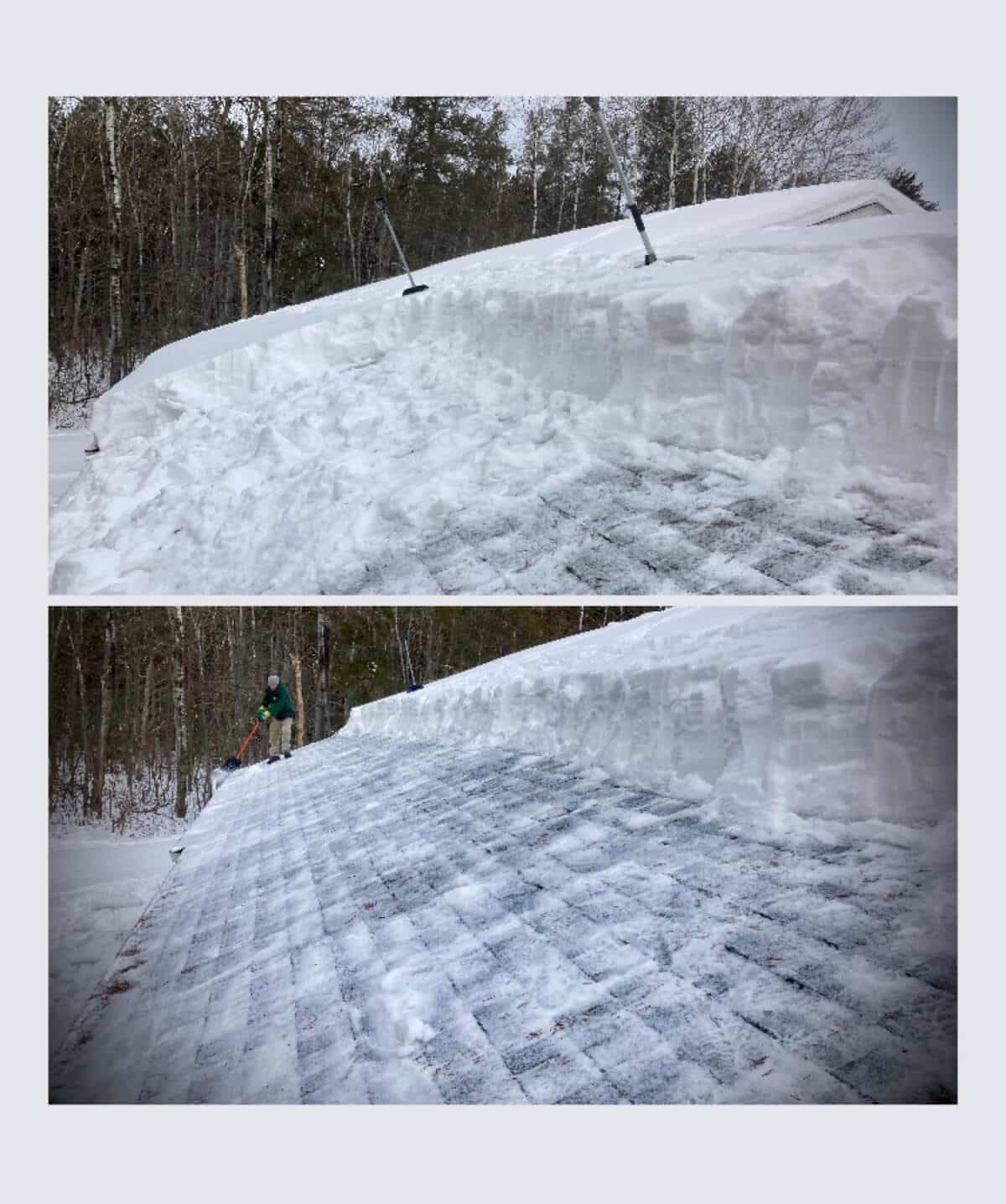
Heavy snow accumulation and ice dams are common winter concerns for homeowners in Longville, Pine River, Breezy Point, and throughout central Minnesota. Professional roof snow removal helps reduce unnecessary stress on your roofing system.
Why Roof Snow Removal Matters
Minnesota winters can bring significant snowfall, and while roofs are designed to withstand normal winter conditions, prolonged heavy snow accumulation can create additional stress on your roofing system. Combined with freeze-thaw cycles, deep snow may also contribute to the formation of ice dams that can prevent melting snow from draining properly.
Professional roof snow removal helps reduce excessive snow loads while lowering the risk of ice dams, water intrusion, and unnecessary wear on your roof.
Not every snowfall requires snow removal, but understanding when conditions may warrant professional attention can help protect both your home and your roofing system.
Why Homeowners Schedule Snow Removal
Homeowners often request roof snow removal to:
- Reduce excessive snow accumulation
- Help minimize the risk of ice dams
- Protect older roofing systems
- Reduce concerns after multiple heavy snowfalls
- Improve peace of mind during long Minnesota winters
Winter Roof Warning Signs
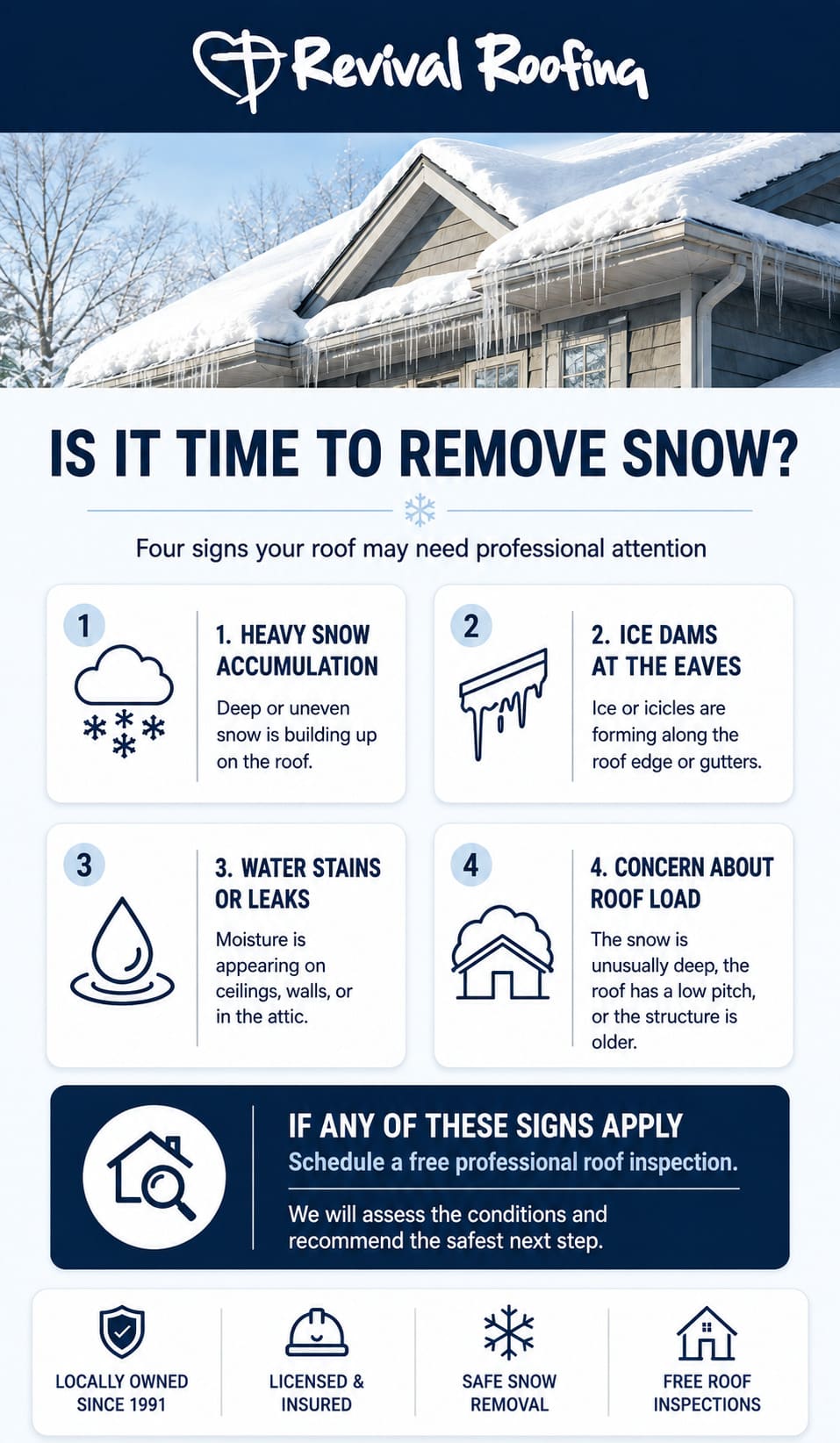
If you notice any of the following, it may be time to schedule a professional evaluation:
✔ Deep snow remaining after multiple storms
✔ Large ice dams forming along roof edges
✔ Icicles growing alongside ice buildup
✔ Water stains on ceilings or walls
✔ Doors or windows becoming difficult to open after heavy snow
✔ Concerns about an older or heavily loaded roof
💡 Homeowner Tip
Every Roof Is Different
The amount of snow a roof can safely support depends on factors such as roof design, construction, snow density, and the overall condition of the structure. If you’re concerned about snow accumulation, a professional evaluation is the safest way to determine whether removal is appropriate.
🏡 From the Roof
Removing snow isn’t always necessary after every storm, but knowing when conditions deserve attention can help prevent larger roofing problems later in the season.
Signs It May Be Time to Remove Snow From Your Roof
Not every roof requires snow removal after a winter storm. However, repeated snowfalls, changing weather conditions, and ice accumulation can create situations where a professional evaluation is a smart precaution.
If you’re unsure whether your roof needs attention, watch for these common warning signs.
① Heavy Snow Has Built Up After Multiple Storms
Several storms in a short period can leave significant snow accumulation on your roof. Even if each individual snowfall wasn’t concerning, the combined weight may warrant a professional inspection.
② Ice Dams Are Beginning to Form
Ice dams develop when melting snow refreezes along the roof’s edge, preventing additional melting snow from draining properly. This trapped water can work its way beneath shingles and potentially cause leaks inside the home.
③ Large Icicles Along the Roof Edge
While small icicles aren’t always a concern, large or rapidly growing icicles often indicate ice buildup along the eaves. They can also signal conditions that contribute to ice dam formation.
④ Interior Water Stains or Active Leaks
Water stains on ceilings or walls during the winter months may indicate that melting snow or ice is entering the home. If you notice signs of moisture, it’s important to have your roof evaluated promptly.
⑤ You Hear Unusual Noises
Popping, creaking, or other unusual sounds during periods of heavy snow don’t always indicate a roofing problem, but they can be a sign that additional weight is affecting the structure. If you have concerns, a professional inspection can provide peace of mind.
⑥ Your Roof Is Older or Has Experienced Previous Damage
Older roofs or roofs with prior storm damage may be more vulnerable during harsh winter conditions. Preventative inspections can help identify concerns before they become costly repairs.
Watch for These Winter Roofing Concerns
✔ Multiple heavy snowfalls with little melting
✔ Ice dams forming along the roof edge
✔ Large icicles growing from gutters or eaves
✔ Water stains on ceilings or walls
✔ Active roof leaks
✔ Unusual creaking or structural concerns
✔ An aging roof with years of winter exposure
❄️ Heavy Snow Buildup
- Multiple storms with little melting.
🧊 Ice Dams
- Ice preventing proper drainage.
💧 Interior Leaks
- Water stains or moisture inside the home.
💡 Homeowner Tip
Don’t Wait for a Leak
Many winter roofing problems begin long before water appears inside the home. Scheduling a professional inspection when warning signs first appear can often prevent more extensive damage later in the season.
🏡 From the Roof
Most winter roofing problems don’t happen overnight. They’re usually the result of changing weather conditions over time. Catching issues early is one of the best ways to protect your home.
Heavy snow is only part of the challenge during a Minnesota winter. Freeze-thaw cycles, ice dams, and trapped moisture can create additional risks that affect both your roofing system and your home’s interior. Understanding these hazards helps explain why timely inspections and safe snow removal can make a difference.
Understanding the Risks of Heavy Snow and Ice Dams
Snow itself isn’t always the problem. In Minnesota, changing temperatures throughout the winter can create a cycle of melting during the day and refreezing at night. Over time, this freeze-thaw cycle can contribute to ice dam formation, trapped water, and additional stress on your roofing system.
Knowing how these winter conditions affect your roof can help you recognize potential problems before they lead to costly repairs.
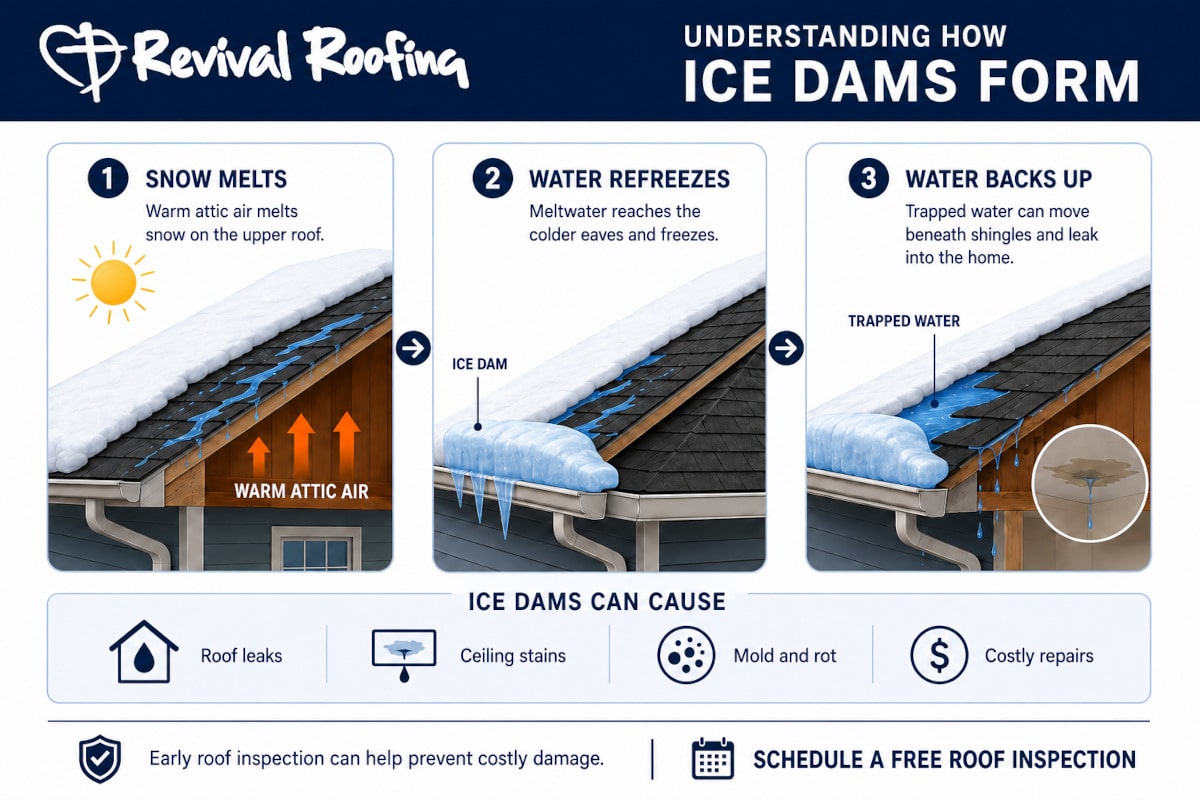
How Ice Dams Form
Ice dams develop when heat escaping from the attic warms sections of the roof, causing snow to melt. As the water flows toward the colder roof edge, it refreezes and gradually forms a ridge of ice.
As more snow melts, water can become trapped behind the ice dam instead of draining off the roof. If enough water builds up, it may work beneath shingles and into the home.
Why Heavy Snow Can Be a Concern
While roofs are engineered to handle typical winter weather, repeated storms or unusually heavy, wet snow can place additional weight on the roofing system.
Factors that influence roof loading include:
- Snow depth
- Moisture content of the snow
- Roof design and pitch
- Age and condition of the roof
- Previous storm damage
- Ice accumulation
If you’re unsure whether snow accumulation has become excessive, a professional inspection can help determine whether snow removal is recommended.
Why DIY Snow Removal Can Be Risky
Removing snow from a roof may seem straightforward, but working on an icy roof can be dangerous. Improper snow removal techniques can also damage shingles, flashing, gutters, or other roofing components.
Professional roof snow removal helps reduce these risks by using methods designed to remove excess snow while protecting the roofing system whenever possible.
Winter Roofing Risks at a Glance
| Winter Condition | Potential Concern |
|---|---|
| Heavy Snow | Increased roof load |
| Wet Snow | Greater weight than dry snow |
| Ice Dams | Water backing up beneath shingles |
| Freeze-Thaw Cycles | Ongoing ice buildup |
| Hidden Roof Damage | Winter conditions may worsen existing issues |
| Delayed Removal | Small concerns can become larger repairs |
💡 Homeowner Tip
Prevention Starts Before Winter
Good attic ventilation, proper insulation, routine roof inspections, and gutter maintenance all help reduce the conditions that contribute to ice dams. Preparing your roof before winter arrives is often easier than dealing with problems after heavy snowfall.
🏡 From the Roof
Snow removal is only one part of protecting your roof during a Minnesota winter. Regular maintenance and inspections throughout the year help your roofing system perform its best when winter weather arrives.
Our Professional Roof Snow Removal Process
Every roof and every winter storm is different. Before removing snow, we evaluate your roof’s condition, the amount of snow accumulation, and any signs of ice dams or existing damage. This allows us to recommend the safest approach for your home.
Our goal is to reduce excessive snow accumulation while helping protect your roofing system throughout the process.
① Evaluate Snow Conditions
We begin by inspecting the roof from the ground and, when appropriate, evaluating snow accumulation, visible ice buildup, roof access, and any signs of existing damage.
This initial assessment helps determine whether professional snow removal is recommended.
② Develop a Safe Removal Plan
Every roof is different. We consider roof pitch, landscaping, surrounding structures, weather conditions, and areas where extra care may be needed before work begins.
Safety for both your home and our crew is always the priority.
③ Carefully Remove Excess Snow
Using professional techniques and specialized tools designed for roof snow removal, we work carefully to reduce excessive snow accumulation while minimizing the risk of damage to shingles, flashing, gutters, and other roofing components.
④ Watch for Ice Dam Concerns
If ice dams or areas of concern are visible, we’ll explain what we find and discuss recommendations based on the condition of your roof.
Our goal is to help you understand what’s happening—not simply remove snow and leave.
⑤ Final Inspection
Once the snow removal is complete, we perform a final visual inspection to identify any visible concerns that may require future attention.
If we notice roofing issues, we’ll explain our observations and discuss your options so you can make an informed decision.
Our Process at a Glance
| Step | What We Do |
|---|---|
| 1 | Evaluate snow accumulation |
| 2 | Plan the safest removal approach |
| 3 | Carefully remove excess snow |
| 4 | Check for ice dams and visible concerns |
| 5 | Perform a final roof inspection |
💡 Homeowner Tip
Every Roof Doesn’t Need Complete Snow Removal
In many situations, removing excessive snow is more important than removing every inch. Leaving a thin protective layer can help reduce the risk of damaging roofing materials during the removal process.
Professional snow removal focuses on protecting the roof—not scraping it clean.
🏡 From the Roof
Safe snow removal takes experience. We use methods designed to reduce snow accumulation while treating your roof with the same care we’d use on our own homes.
Winter Roof Safety Tips for Homeowners
Minnesota winters can create challenging conditions on and around your home. While there are simple steps homeowners can take to monitor their roof throughout the season, working on a snow-covered roof can be dangerous.
Understanding what to watch for—and knowing when to call a professional—can help protect both your home and your safety.
Monitor Snow Accumulation
Keep an eye on your roof after multiple snowstorms, especially if there has been little melting between storms. Significant accumulation may warrant a professional evaluation.
Keep Gutters Clear Before Winter
Cleaning leaves and debris from gutters in the fall helps improve drainage when snow begins to melt and can reduce conditions that contribute to ice dam formation.
Watch for Ice Dams
Inspect the roof from the ground for ice buildup along the eaves, large icicles, or water backing up behind ice. These can be early signs that your roof may need attention.
Check Inside Your Home
Occasionally look for water stains on ceilings, damp insulation in the attic, or unusual drafts. Catching these warning signs early may help prevent more extensive repairs.
What You Should Avoid
Don’t Climb Onto a Snow-Covered Roof
Snow and ice create slippery, unpredictable conditions that significantly increase the risk of falls.
Don’t Use Sharp Tools
Metal shovels, picks, axes, and other sharp tools can damage shingles, flashing, and other roofing components.
Don’t Use Sharp Tools
Metal shovels, picks, axes, and other sharp tools can damage shingles, flashing, and other roofing components.
✅ Do
Monitor snow after major storms
Watch for ice dams
Check for interior water stains
Schedule a professional inspection
❌ Don’t
Walk on a snow-covered roof
Chip away at ice with sharp tool
Ignore recurring leaks
Wait until spring if you’re concerned
💡 Homeowner Tip
A Little Prevention Goes a Long Way
Preparing your roof before winter, monitoring it throughout the season, and addressing concerns early can help reduce the likelihood of costly repairs when spring arrives.
🏡 From the Roof
Most homeowners don’t need to become roofing experts—they just need to know what warning signs to watch for. When you’re unsure, we’re happy to provide an honest inspection and explain what we find.
If you still have questions about roof snow removal, ice dams, or winter roof maintenance, we’ve answered some of the most common questions we receive from homeowners throughout the Brainerd Lakes Area.
Read our Customer Testimonials




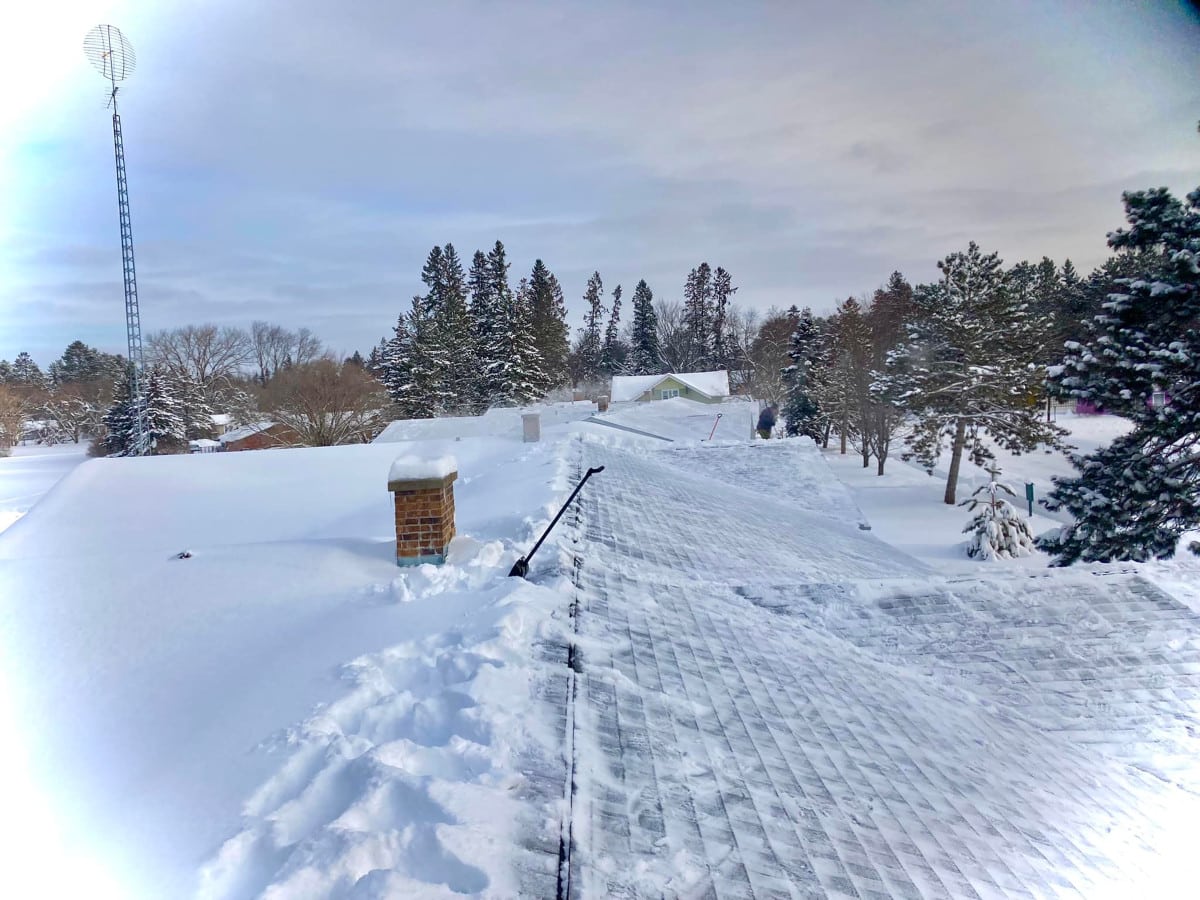
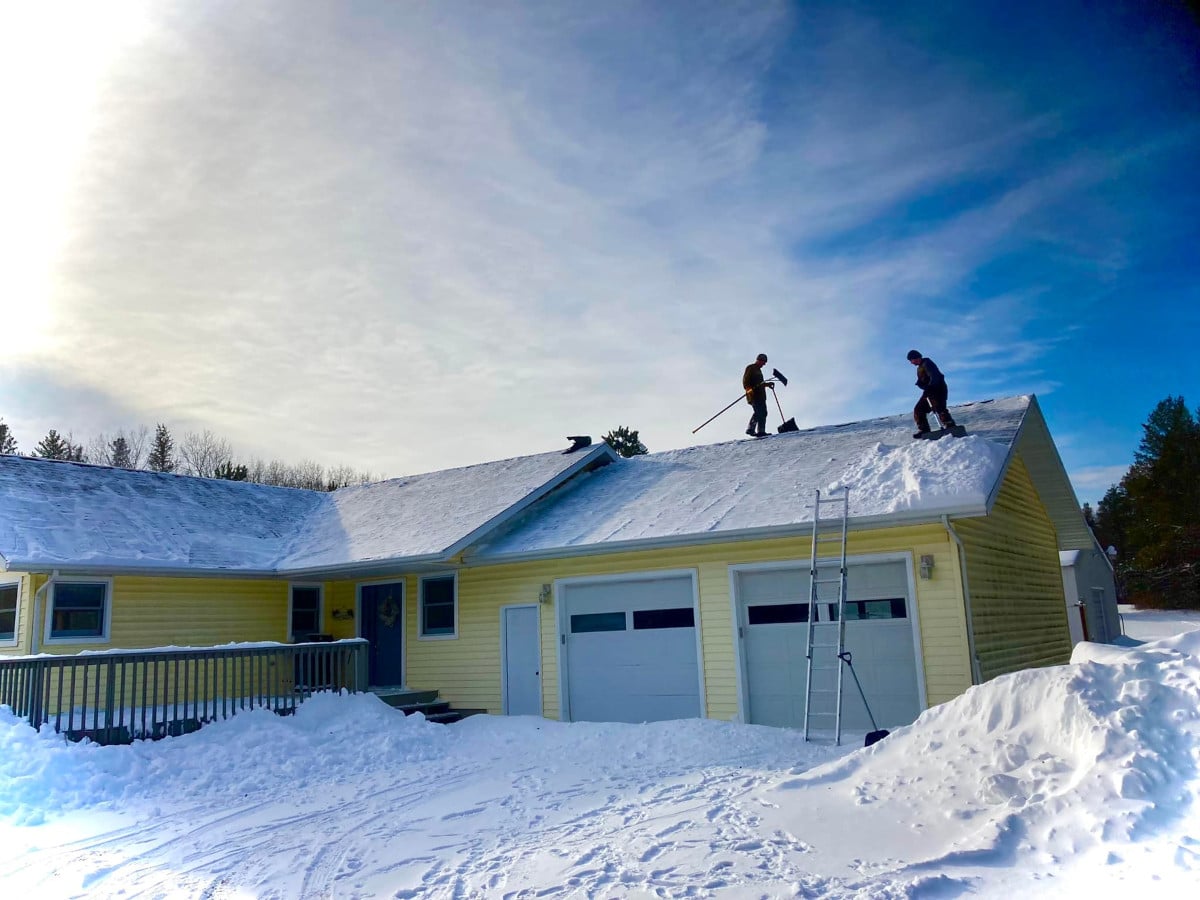
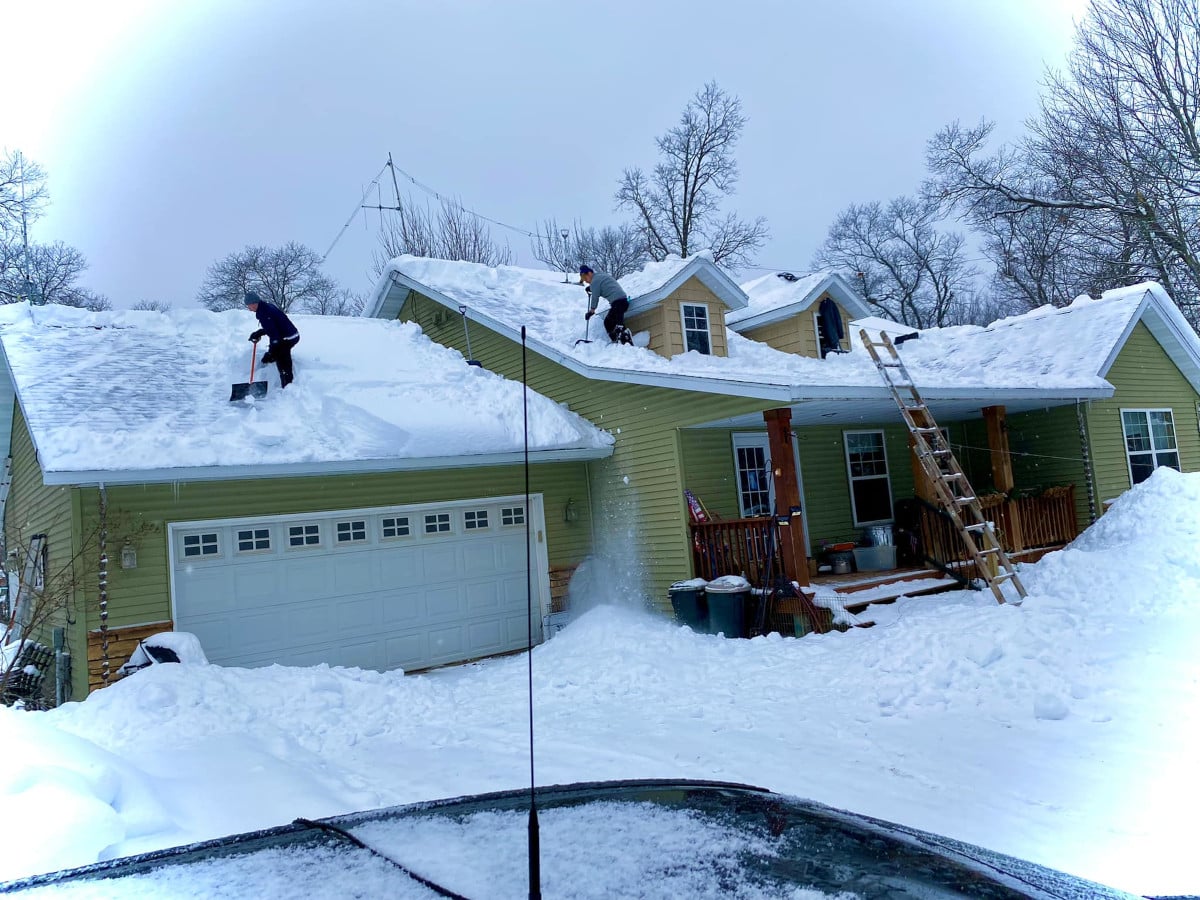
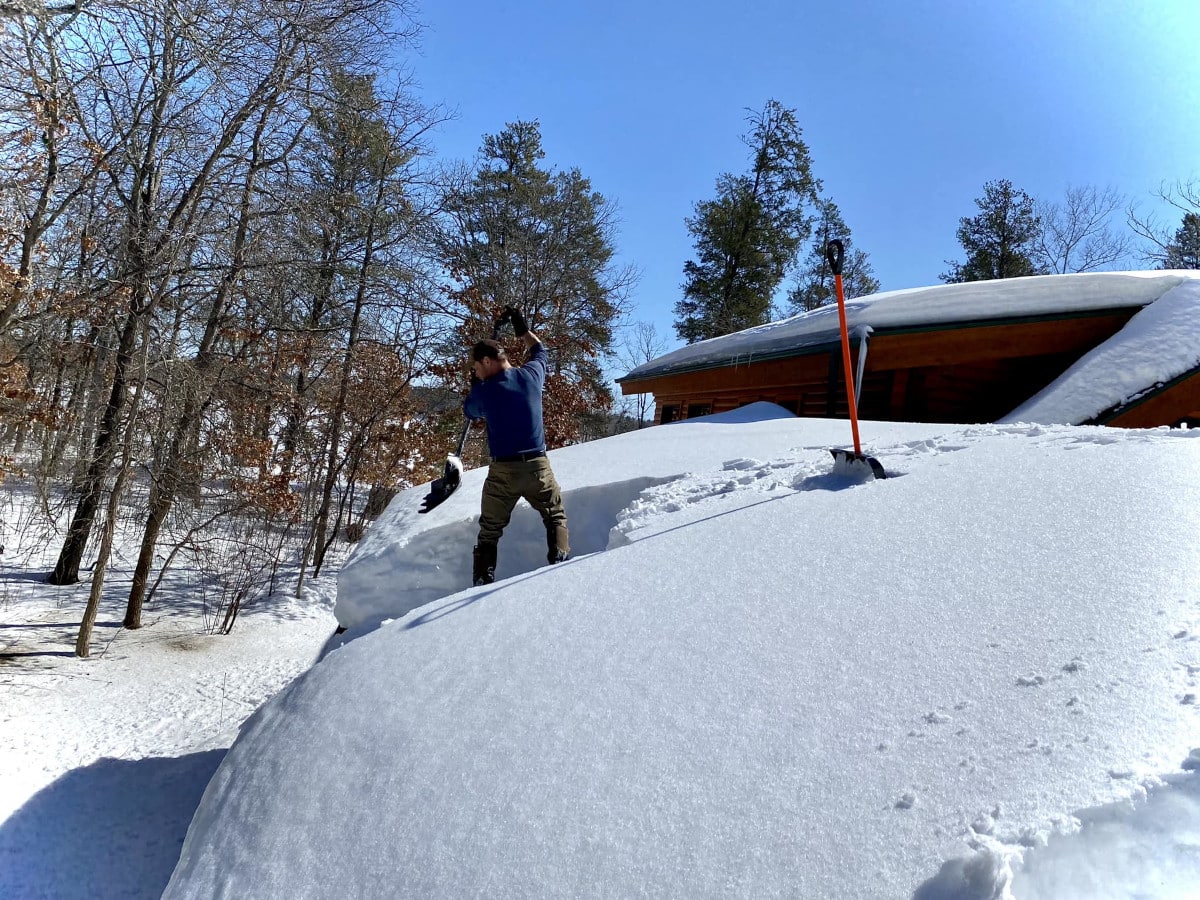
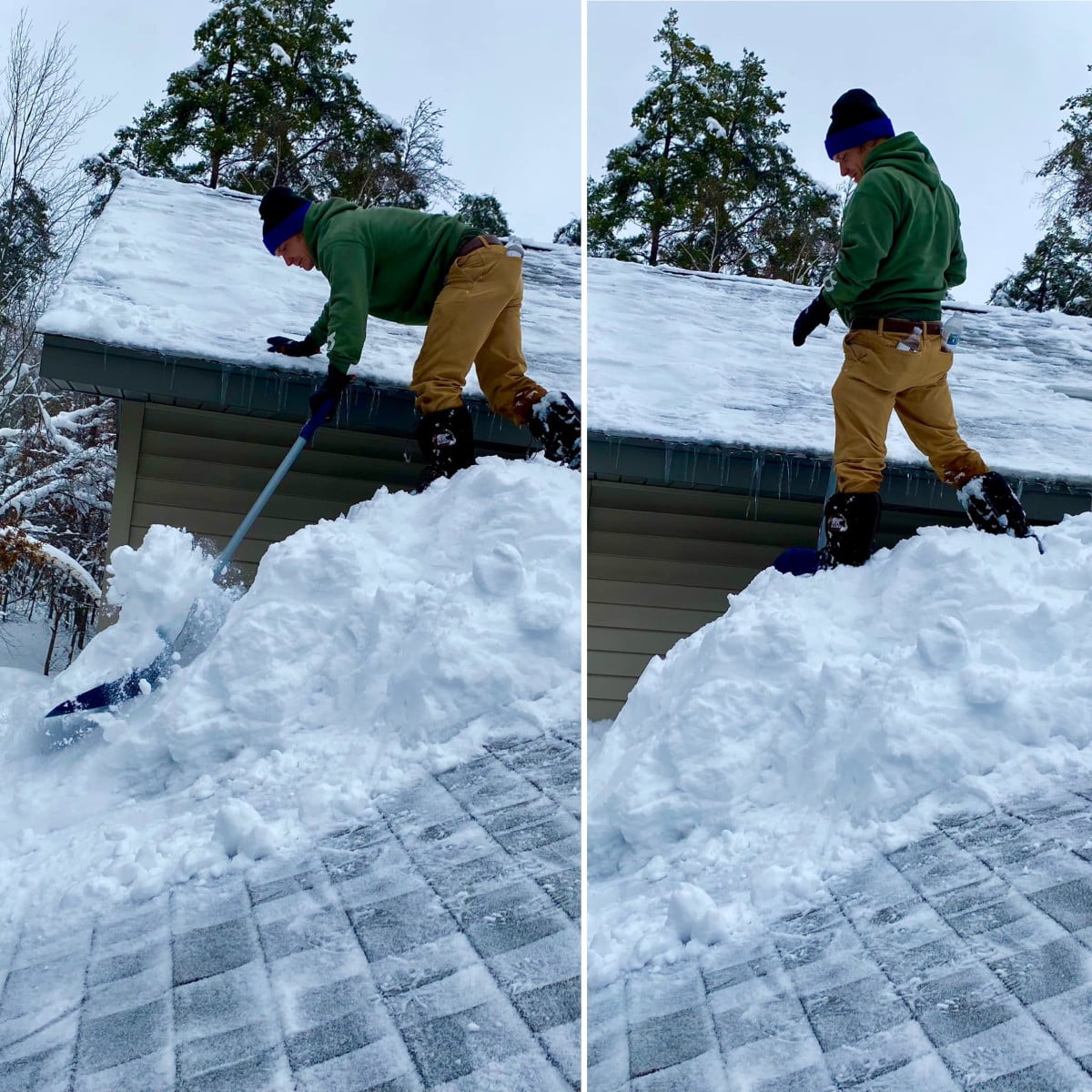
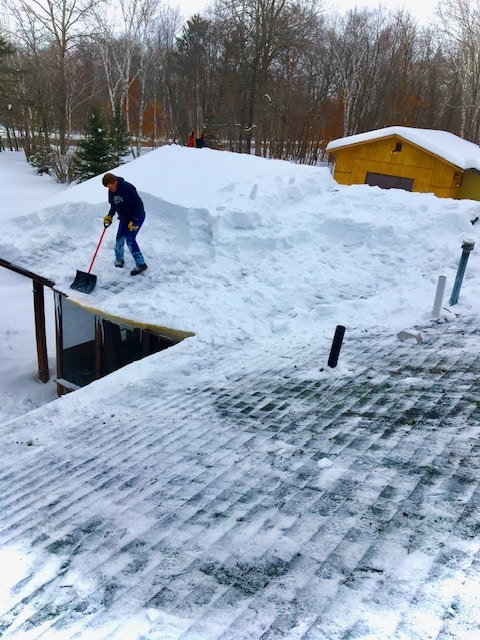
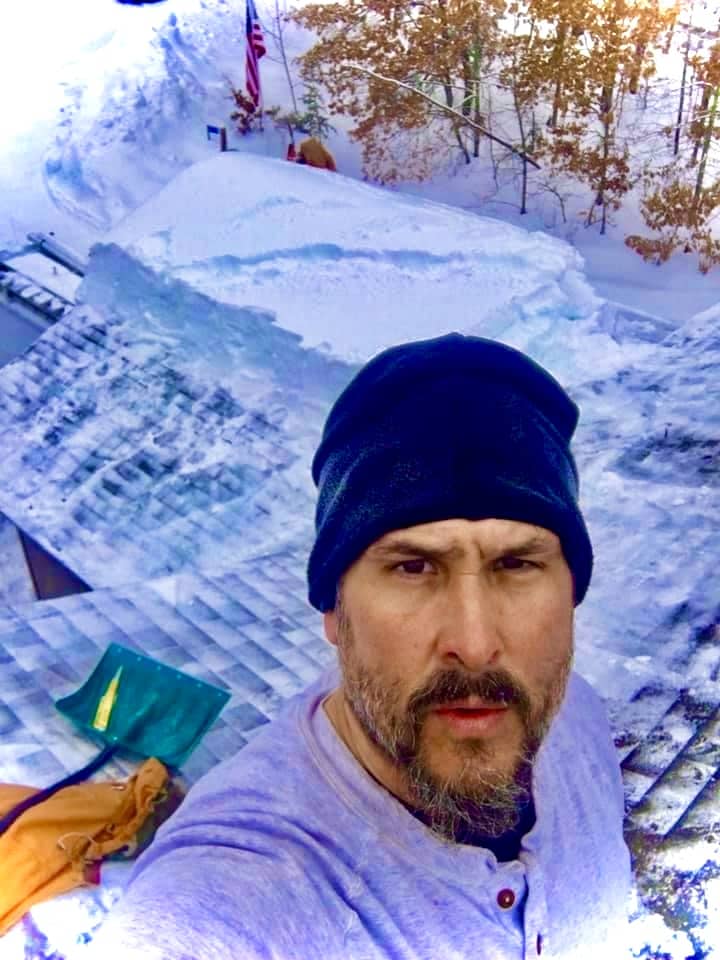
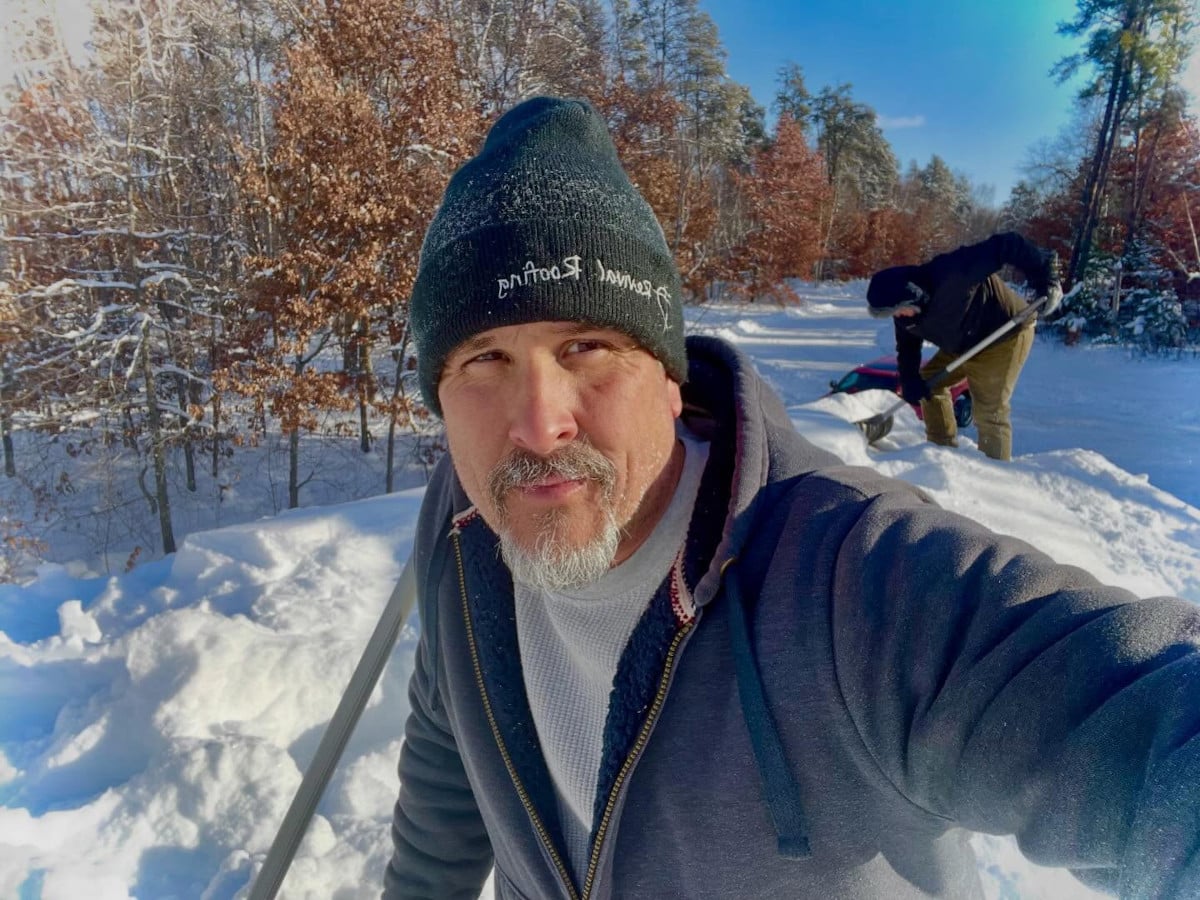
Roof Snow Removal Projects in Brainerd Lakes Area
Frequently Asked Questions
How do I know if my roof needs snow removal?
Not every roof needs snow removed after a snowfall. However, repeated storms, significant snow accumulation, ice dam formation, or concerns about your roof’s condition may indicate it’s time for a professional inspection. Revival Roofing can evaluate your roof and recommend whether snow removal is appropriate.
Can heavy snow damage my roof?
Most roofs are designed to handle normal winter conditions. However, unusually heavy or repeated snowfalls, especially when combined with wet snow or ice buildup, can place additional stress on a roofing system. If you’re concerned about snow accumulation, it’s best to schedule a professional evaluation.
What are ice dams?
Ice dams are ridges of ice that form along the edge of a roof when melting snow refreezes before it can drain away. Water can become trapped behind the ice and may work beneath shingles, increasing the risk of interior leaks.
Is it safe to remove snow from my roof myself?
Working on a snow-covered roof can be dangerous due to slippery conditions and hidden hazards. Improper removal methods may also damage shingles, flashing, or gutters. Professional snow removal helps reduce these risks.
Does every snowfall require roof snow removal?
No. Most snowfalls do not require professional snow removal. The need depends on factors such as snow depth, snow density, roof design, weather conditions, and the condition of the roof itself.
Will removing snow damage my shingles?
Professional roof snow removal uses techniques intended to reduce excessive snow while minimizing the risk of damage to roofing materials. Removing every inch of snow isn’t always necessary, and leaving a thin protective layer is often the safest approach.
Can roof snow removal help prevent ice dams?
Removing excessive snow can help reduce the conditions that contribute to ice dam formation, but proper attic insulation, ventilation, and routine roof maintenance also play important roles in preventing ice dams.
Do you provide free roof inspections?
Yes. Revival Roofing offers free roof inspections throughout the Brainerd Lakes Area. If you’re concerned about heavy snow, ice dams, or your roof’s condition during the winter, we’ll evaluate your roof and provide honest recommendations based on what we find.
Related Resources
Protect Your Roof Before Winter Problems Become Costly Repairs
Minnesota winters can be unpredictable, but your roofing decisions don’t have to be. If you’re concerned about heavy snow accumulation, ice dams, or the condition of your roof, Revival Roofing is here to help.
Our experienced team provides professional roof snow removal and free roof inspections with honest recommendations based on your home’s needs. We’ll help you understand your options so you can protect your roof, your home, and your peace of mind throughout the winter season.
Whether you’re dealing with heavy snow accumulation, ice dam concerns, or simply want the confidence of a professional evaluation, Revival Roofing is ready to help. Contact us today to schedule your free roof inspection and receive trusted guidance from a local roofing contractor serving homeowners throughout the Brainerd Lakes Area.

(218) 866-0957
Pine River, MN
Hours: Mon-Sat 8am - 8pm
Serving the Brainerd Lakes Area
Brainerd • Baxter • Pine River • Nisswa
Crosslake • Pequot Lakes • Hackensack
Contact / Request an appt
2026 © Revival Roofing | All Rights Reserved | Privacy Policy
Licensed & Insured — MN License #RR806717