Professional Roof Inspections in the Brainerd Lakes Area
Your roof protects everything underneath it, but signs of damage aren’t always visible from the ground. A professional roof inspection can identify worn shingles, damaged flashing, storm-related issues, and other concerns before they lead to more extensive problems.
Whether you’re concerned about recent storm damage, have noticed signs of wear, or want to check the condition of an aging roof, Revival Roofing provides free roof inspections throughout the Brainerd Lakes Area. We’ll explain what we find, answer your questions, and help you understand your options without pressure.
✓ Roofing Experience Since 1991
✓ Locally Owned & Operated
✓ Licensed & Insured
✓ Free Roof Inspections
Whether you’re buying a home, recovering from severe weather, or simply checking your roof’s condition, we provide professional inspections throughout Pequot Lakes, Breezy Point, Baxter, and nearby Brainerd communities.
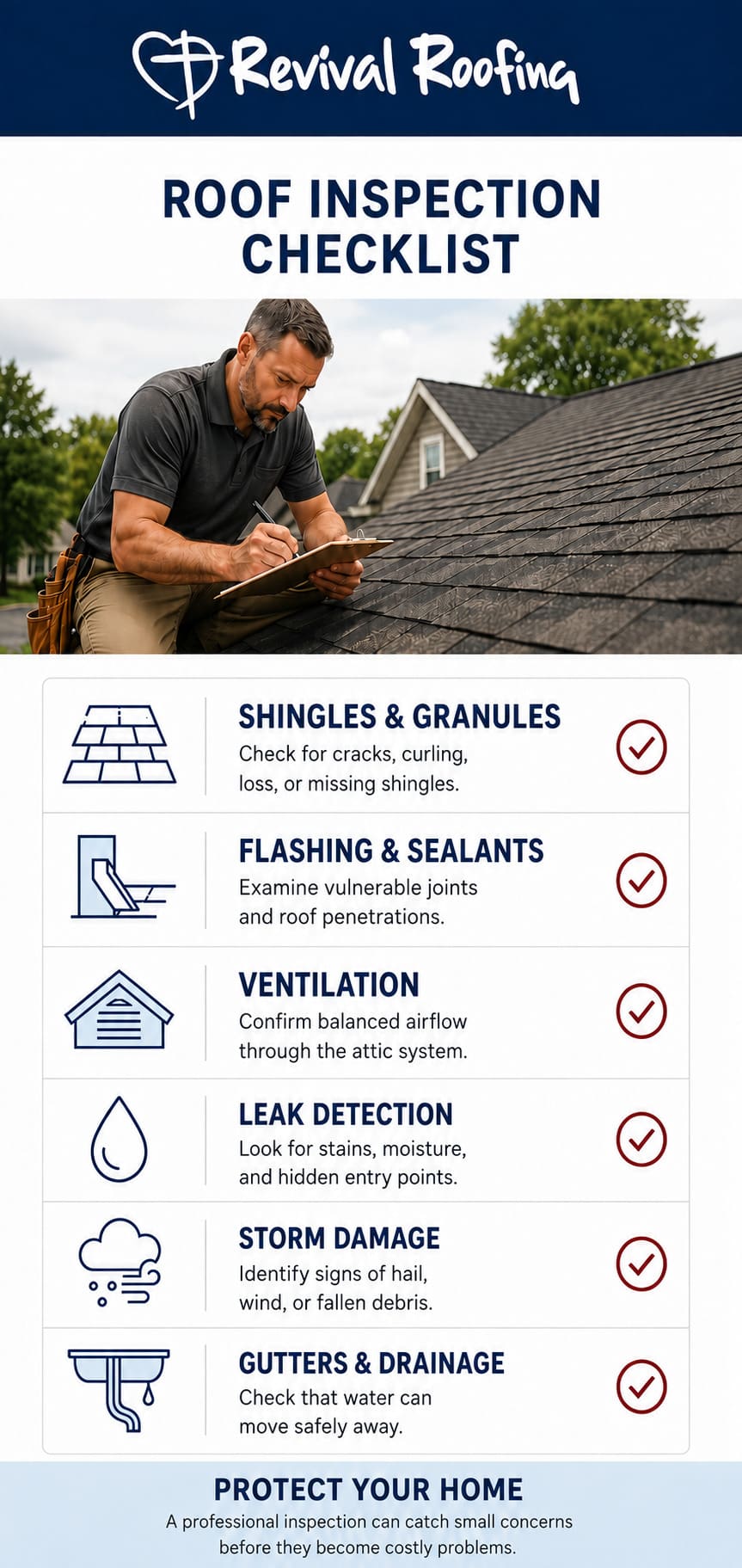
Why Roof Inspections Matter
Minnesota’s changing weather puts roofs through a lot. Heavy snow, ice dams, strong winds, hail, and repeated freeze-thaw cycles can gradually weaken shingles, flashing, and other roofing components. Some damage may go unnoticed until a leak develops.
A professional roof inspection helps identify signs of wear, moisture intrusion, and potential problem areas before they become more serious. Understanding your roof’s condition can help you plan maintenance, address needed repairs, and avoid unexpected roofing problems.
When Should You Schedule a Roof Inspection?
You don’t have to wait for a roof leak to schedule an inspection. Storm damage, aging shingles, and seasonal weather can affect your roof before problems become visible inside your home.
Whether you’re buying a home, checking for damage after a storm, or maintaining an older roof, knowing when to schedule an inspection can help you address concerns before they become more serious.
Common Reasons to Schedule a Roof Inspection
| Situation | Why an Inspection Is Recommended |
|---|---|
| After a severe storm | High winds, hail, and falling branches can damage shingles and flashing even if everything appears normal from the ground. |
| If your roof is 10 years or older |
As your roof ages, periodic inspections can help identify worn shingles, deteriorating flashing, and other signs of aging. |
| Before buying a home | A roof inspection provides valuable information about the roof’s condition and any maintenance that may be needed. |
| Before selling your home | Identifying and addressing roofing concerns beforehand can help avoid surprises during the selling process. |
| If you’ve noticed a leak or water stain | Even a small stain may indicate a roofing issue that should be evaluated before additional damage occurs. |
| After winter snow and ice | Heavy snow loads and ice dams can place extra stress on roofing materials and flashing. |
| Following major wind events | Strong winds can loosen shingles or damage ridge caps without creating an immediate leak. |
| As part of routine home maintenance | The appropriate inspection frequency depends on your roof’s age, condition, and recent weather exposure. |
Minnesota Weather Can Be Tough on Your Roof
Roofs in the Brainerd Lakes Area face different challenges throughout the year. Winter snow and ice dams can affect drainage and flashing, while spring winds and summer hail may loosen or damage shingles.
An inspection after significant weather can help identify visible damage, especially around roof valleys, penetrations, and other areas where water can enter.
💡 Homeowner Tip
Even if your roof looks fine from the ground, hidden damage can still be present after a major storm. If your neighborhood has experienced high winds or hail, scheduling a professional inspection can help identify issues that aren’t easily visible and give you confidence in your roof’s condition.
Signs Your Roof May Have Damage
Some roofing problems are easy to spot, while others develop gradually and may not be noticeable from the ground. Knowing what to look for can help you recognize when it’s time to schedule a professional inspection.
Here are seven warning signs that your roof may need attention.
🏚️ Missing or Damaged Shingles
Shingles that are cracked, curled, loose, or missing leave your roof more vulnerable to water intrusion and additional weather damage. Even a small area of missing shingles can expose the layers beneath them to the elements.
🪨 Granules Collecting in Gutters
As asphalt shingles age, they naturally lose protective granules. While some granule loss is normal over time, excessive amounts collecting in your gutters may indicate that your shingles are nearing the end of their service life.
💧 Water Stains on Ceilings or Walls
Brown stains, peeling paint, or discoloration inside your home can indicate that moisture is finding its way through the roofing system. Addressing the source early can help prevent additional damage to insulation, drywall, and framing.
🔩 Damaged Flashing
Flashing around chimneys, roof vents, skylights, and roof valleys helps direct water away from vulnerable areas. If flashing becomes loose, rusted, or damaged, water can enter places it shouldn’t.
📐 Sagging Roof Areas
A roof should appear straight and even. Areas that sag or dip may indicate structural concerns or moisture affecting the roof decking and should be evaluated promptly.
🍃 Moss, Algae, or Debris Buildup
While algae staining is often cosmetic, moss can trap moisture against roofing materials. Leaves and debris that remain on the roof or in valleys may also prevent proper drainage.
🌡️ Higher Heating & Cooling Costs
Unexpected increases in heating or cooling costs can have several causes, including insulation problems and inadequate attic ventilation. While higher bills alone don’t indicate roof damage, an inspection may help identify visible ventilation concerns that could be contributing to the problem.
What Happens During a Roof Inspection?
A professional roof inspection involves more than checking the shingles. Revival Roofing evaluates the visible condition of your roofing system, examines areas where problems commonly develop, and explains any concerns we find.
Here’s what you can generally expect during an inspection.
Our Roof Inspection Process
① We Listen to Your Concerns
Every inspection begins with a conversation. If you’ve noticed a leak, missing shingles, water stains, or recent storm activity, we’ll discuss your concerns so we can pay close attention to those areas during the inspection.
② We Inspect Your Roof’s Exterior
We evaluate the visible condition of your roofing system, looking for signs of wear, storm damage, aging materials, and other issues that may affect your roof’s performance.
③ We Examine Key Roofing Components
Your roof is made up of many parts that work together to protect your home. During the inspection, we evaluate components such as flashing, roof penetrations, valleys, ridge caps, vents, and other critical areas where problems commonly develop.
④ We Check for Signs of Moisture
When conditions allow, we look for visible signs that water may be entering or affecting your roofing system. This may include staining, deteriorated materials, or areas where moisture could become a concern over time.
⑤ We Document Our Findings
If we identify visible concerns, we’ll explain what we found and answer any questions you have. Our goal is to help you understand your roof’s condition so you can make an informed decision about any recommended next steps.
⑥ We Review Your Options
Not every inspection leads to a roof replacement. Depending on your roof’s condition, we may recommend routine maintenance, minor repairs, continued monitoring, or replacement if the roof has reached the end of its service life.
What We Look for During a Roof Inspection
A roof is made up of several components that work together to protect your home. During an inspection, we look for visible signs of wear, damage, and potential problem areas, paying particular attention to places where water can enter.
What we can evaluate depends on your roof’s design, accessibility, and weather conditions.
🏠 Shingles
We inspect your shingles for cracking, curling, missing tabs, granule loss, and other signs of aging or storm damage that may affect your roof’s ability to shed water.
🔩 Flashing
Flashing helps prevent water from entering around chimneys, roof vents, skylights, and where different roof sections meet. We look for loose, damaged, rusted, or improperly sealed flashing.
⛰️ Roof Valleys
Roof valleys handle a large amount of water runoff during rain and snow melt. We inspect these areas for excessive wear, debris buildup, and signs of water intrusion.
📏 Ridge Caps
Ridge cap shingles protect the peaks of your roof, where two roof slopes meet. We look for loose, damaged, or missing ridge caps and visible concerns around ridge vents, where installed.
🔧 Roof Penetrations
Areas around plumbing vents, exhaust vents, satellite mounts, and other roof penetrations are common locations for leaks. We inspect these areas for deteriorated seals, damaged boots, and signs of moisture intrusion.
🌧️ Gutters & Drainage
Proper drainage helps move water safely away from your roof and foundation. We look for clogged gutters, improper drainage, granule buildup, and other issues that may affect water flow.
🪵 Soffit & Fascia
These components help protect the edge of your roof while supporting proper attic ventilation. We inspect for signs of moisture damage, deterioration, or pest activity where visible.
💨 Attic Ventilation
When accessible, we evaluate visible signs of proper roof ventilation. Good airflow helps reduce excess heat and moisture that can shorten the lifespan of your roofing system.
💡 Homeowner Tip
Many roofing problems begin around flashing, roof penetrations, and roof valleys rather than in the middle of the shingles. These areas experience more water movement and often require the closest attention during an inspection.
Understanding Your Inspection Results
After inspecting your roof, we’ll explain what we found and discuss any areas that may need attention. Depending on your roof’s condition, the next step might be routine maintenance, a minor repair, continued monitoring, or planning for a replacement.
Here’s what your inspection findings may mean.
✔ Your Roof Is in Good Condition
If your roof is performing well and we don’t identify any significant concerns, we’ll let you know. We may recommend routine maintenance or periodic inspections to help keep your roof in good condition as it continues to age.
🔨 Minor Repairs Are Recommended
Small issues such as damaged shingles, deteriorated flashing, or aging sealants can often be repaired before they develop into more extensive problems. Addressing these concerns early may help extend the life of your roof and reduce the likelihood of larger repairs in the future.
🌩 Storm Damage Is Present
If we find visible signs of hail, wind, or storm related damage, we’ll explain what we observed and discuss the next steps. We’ll answer your questions and help you understand your options so you can make an informed decision about how to proceed.
🏠 Your Roof Is Near the End of Its Service Life
If your roof is approaching the end of its expected lifespan, we’ll explain the factors contributing to our recommendation. While replacement isn’t always immediately necessary, planning ahead allows you to consider your options before unexpected issues arise.
Repair or Replacement? Understanding Your Options
Not every roofing problem requires a full replacement. Whether a roof can be repaired depends on its age, overall condition, the extent of the damage, and how well the remaining roofing materials are performing.
A professional inspection helps determine which option makes the most sense for your roof.
Roof Repair
____________
Repair May Be the Right Choice
✓ Damage is limited to a small area.
✓ The roof is generally in good condition.
✓ Repairs can restore the roof’s performance.
✓ Storm damage is isolated.
✓ The remaining roofing materials are in good condition.
Roof Replacement
__________________
Replacement May Be the Better Option
✓ Damage is widespread across the roof.
✓ The roof is nearing the end of its expected lifespan.
✓ Multiple repairs have already been completed over the years.
✓ Storm damage affects multiple areas of the roofing system.
✓ Ongoing deterioration makes future repairs less cost effective.
Every Roof Is Different
A roof’s age is only one factor in deciding whether it needs replacement. Some older roofs remain in good condition, while newer roofs may need significant repairs because of storm damage or installation problems.
We’ll explain what we find so you can weigh the options based on your roof’s actual condition.
Storm Damage & Insurance Inspections
Hail, strong winds, falling branches, and heavy snow can damage roofing materials without causing an immediate leak. After significant weather in the Brainerd Lakes Area, an inspection can help identify visible damage and determine whether repairs may be needed.
Revival Roofing evaluates storm-related concerns and explains what we find so you can make informed decisions about your roof.
What We Look For After a Storm
During a storm damage inspection, we carefully evaluate your roof for visible signs of weather related damage, including:
✔ Missing, lifted, or creased shingles
✔ Hail impacts and granule loss
✔ Damaged flashing
✔ Ridge cap damage
✔ Fallen branches or debris
✔ Damage around roof penetrations
✔ Signs of water intrusion
If Storm Damage Is Found
If we find visible storm damage, we’ll explain the affected areas and discuss whether repairs or replacement may be appropriate.
If you’re considering an insurance claim, we can explain our roofing findings and answer questions about the damage we’ve observed. Your insurance company determines whether the damage is covered under your policy.
Don’t Wait Too Long
Some storm damage becomes harder to identify as time passes, especially after additional weather exposure. Scheduling an inspection soon after a significant storm can help establish the roof’s condition and identify concerns that may need attention.
Read Our Customer Testimonials


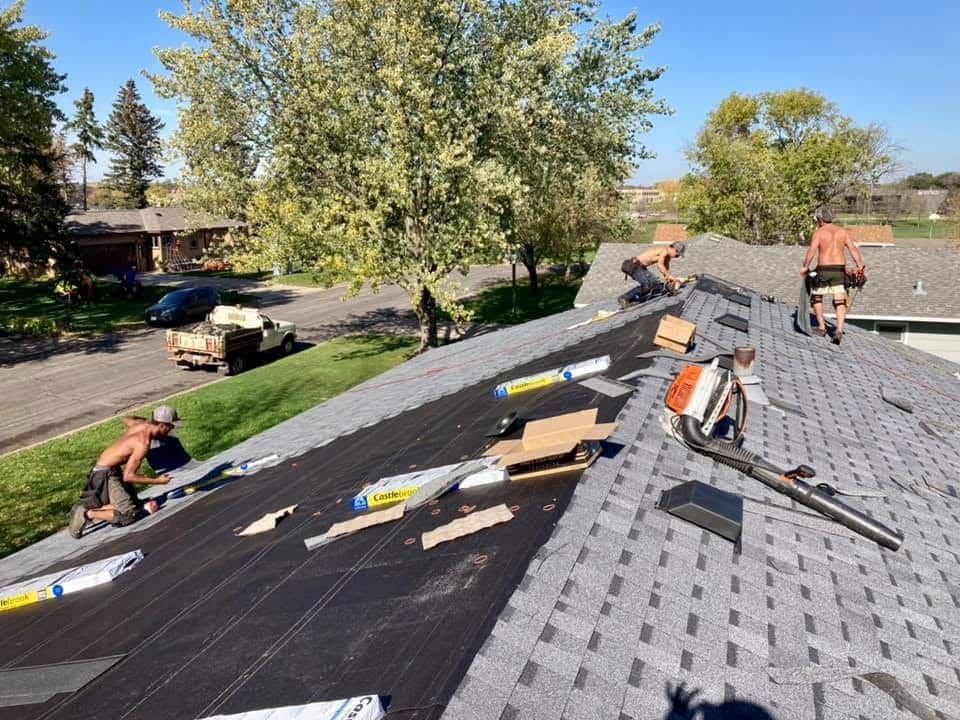
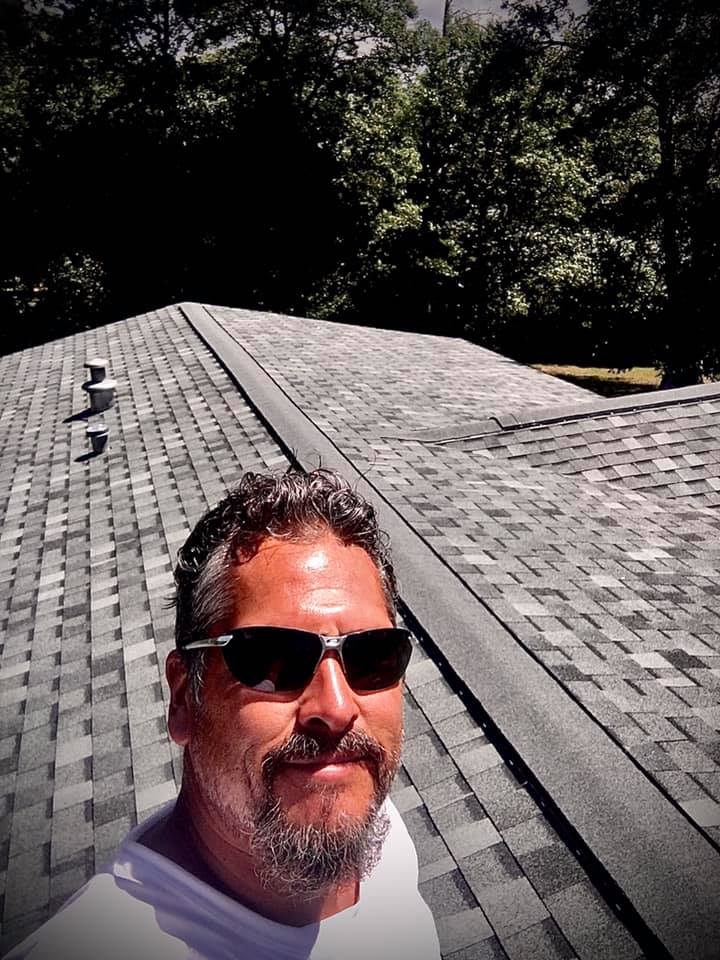
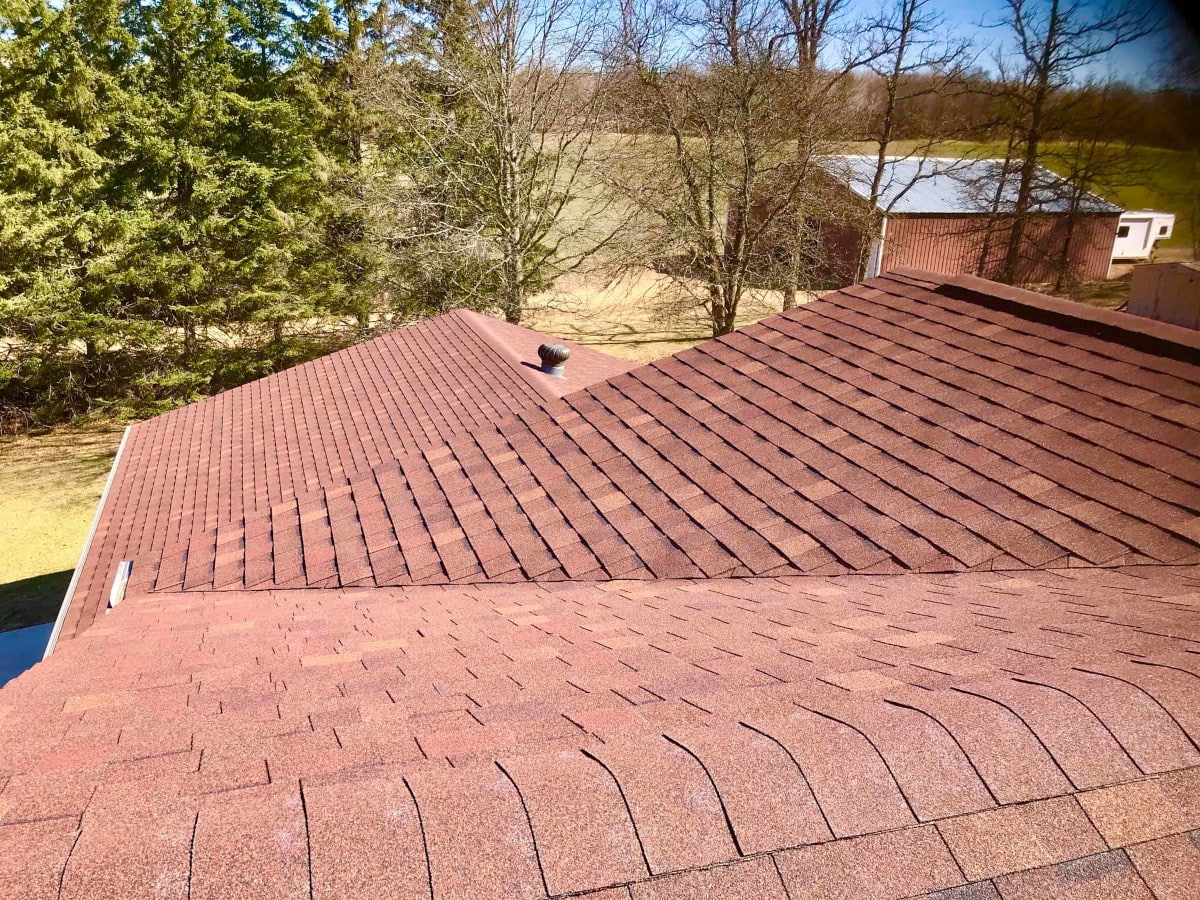
View our Brainerd Lakes Area Roofing Projects

Frequently Asked Questions About Roof Inspections
How often should I have my roof inspected?
How often your roof should be inspected depends on its age, condition, and exposure to severe weather. Older roofs may benefit from more frequent inspections, while newer roofs in good condition may need less frequent attention. It’s also wise to schedule an inspection after significant hail, high winds, or other storms that may have caused damage.
Are roof inspections free?
Yes. Revival Roofing offers free roof inspections for homeowners throughout the Brainerd Lakes Area. We’ll evaluate your roof’s visible condition, explain our findings, and answer your questions so you can make an informed decision.
How long does a roof inspection take?
Most residential roof inspections take between 30 minutes and an hour, depending on the size, design, and condition of the roof.
Do I need to be home during the inspection?
While it’s helpful if you’re available to discuss any concerns and review the results, it isn’t always necessary. We’ll work with you to determine the best approach for your inspection.
What happens if you find damage?
We’ll explain what we found, show you any visible areas of concern when possible, and discuss your options. Depending on the condition of your roof, we may recommend maintenance, repairs, continued monitoring, or replacement.
Can you inspect my roof after a hail or wind storm?
Yes. We perform inspections following severe weather to identify visible storm related damage and help homeowners understand the condition of their roof.
Will you inspect my attic?
When attic access is available and appropriate, we may look for visible signs of moisture, ventilation concerns, or other conditions that could affect the performance of your roofing system.
Can a roof inspection help extend the life of my roof?
Routine inspections can identify developing issues before they become larger problems. Addressing minor repairs and maintenance promptly may help maximize the lifespan of your roofing system.
Will you recommend replacement if my roof can be repaired?
No. We believe in providing honest recommendations based on the condition of your roof. If a repair is the most appropriate solution, we’ll explain why. If replacement is recommended, we’ll also explain the reasons behind that recommendation.
How do I schedule a roof inspection?
Call Revival Roofing at (218) 866-0957 or use our website contact form to request a free roof inspection. We’ll help arrange a convenient time to evaluate your roof and discuss any concerns you have.
Related Resources
Know the Condition of Your Roof with a Professional Inspection
Whether you’ve noticed signs of damage, recently experienced severe weather, or simply want to check the condition of your roof, Revival Roofing is here to help.
Schedule a free roof inspection in the Brainerd Lakes Area. We’ll evaluate your roof’s visible condition, explain any concerns we find, and help you understand your options without pressure.

(218) 866-0957
Pine River, MN
Hours: Mon-Sat 8am - 8pm
Serving the Brainerd Lakes Area
Brainerd • Baxter • Pine River • Nisswa
Crosslake • Pequot Lakes • Hackensack
Contact / Request an appt
2026 © Revival Roofing | All Rights Reserved | Privacy Policy
Licensed & Insured — MN License #RR806717