Professional Roof Repair Services in the Brainerd Lakes Area
Whether you’ve noticed a roof leak, missing shingles, storm damage, or signs of wear, addressing roof problems early can help prevent more extensive damage. Revival Roofing provides honest roof repair recommendations and quality workmanship to help protect homes throughout the Brainerd Lakes Area.
✓ Roofing Experience Since 1991
✓ Locally Owned & Operated
✓ Licensed & Insured
✓ Free Roof Inspections
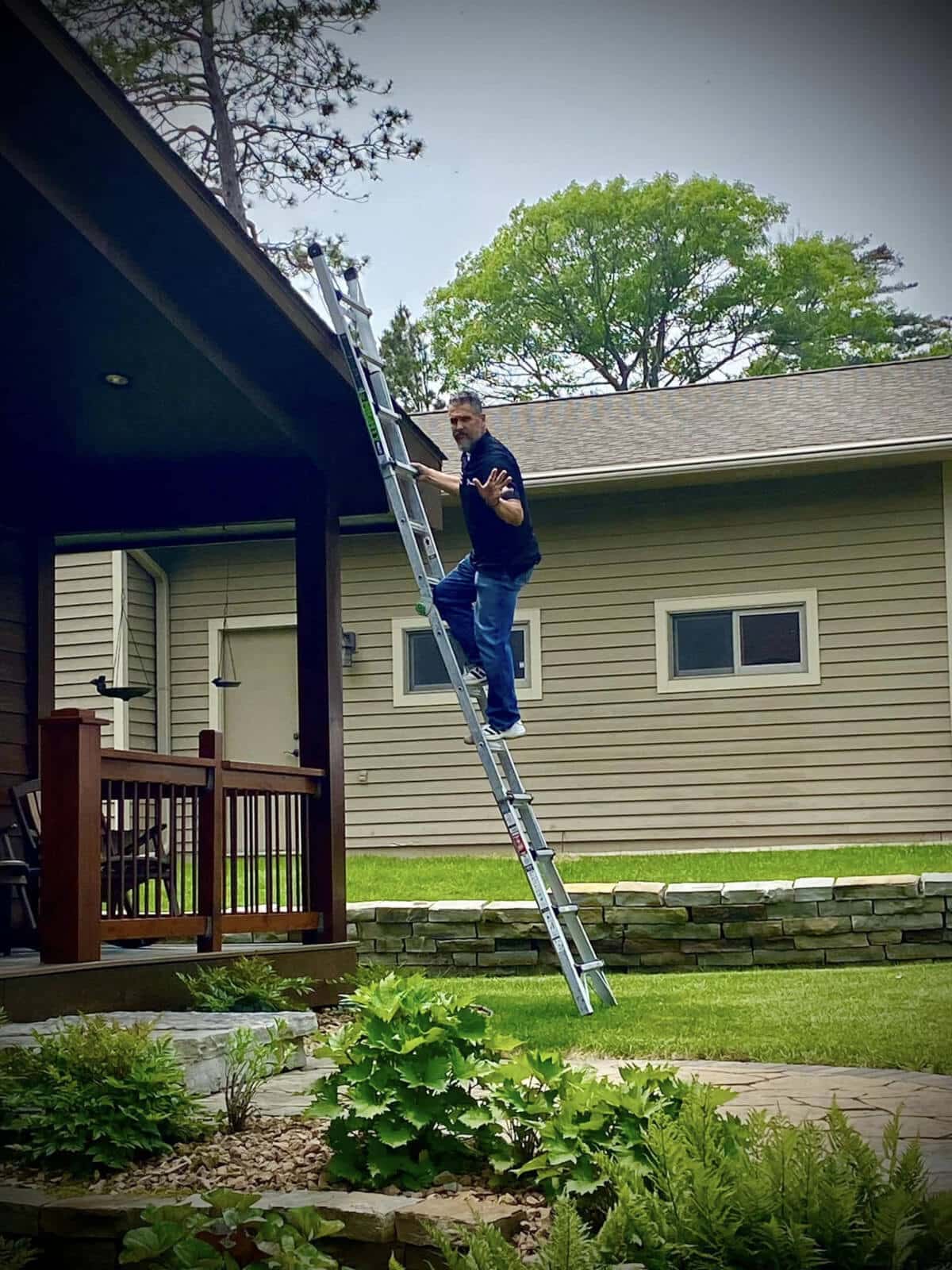
Small Roof Problems Rarely Stay Small
Most roof problems don’t begin with a major leak or obvious damage. They often start with a missing shingle, loose flashing, a small area of wind damage, or a minor leak that’s easy to overlook. While these issues may seem insignificant at first, they can allow water to work its way beneath the roofing system and into the structure of your home.
Addressing roof damage early often provides more repair options and helps prevent more extensive damage to the roof deck, insulation, ceilings, and interior finishes. In many cases, a timely repair can add years to the life of your existing roof and delay the need for a full replacement.
Not every damaged roof needs to be replaced. A professional roof inspection helps determine whether a quality repair is the right solution or if replacement would provide better long term protection. At Revival Roofing, our goal is to help homeowners understand the condition of their roof so they can make an informed decision that’s right for their home and budget.
💡 Homeowner Tip
The sooner a roofing problem is identified, the more repair options are usually available. If you’ve noticed a leak, missing shingles, or signs of storm damage, scheduling a professional inspection early can often prevent more extensive repairs later.
How Do You Know If Your Roof Needs Repair?
Roof damage isn’t always obvious from the ground, and not every problem results in an immediate leak. Many roofing issues develop gradually over time as shingles age, flashing loosens, or storms expose vulnerable areas of the roof. Knowing what to watch for can help you address problems before they become more costly.
Common signs your roof may need professional repair include:
Missing or Damaged Shingles
Shingles that are cracked, curled, torn, or missing leave the roof more vulnerable to water intrusion and additional wind damage.
Water Stains Inside Your Home
Brown stains on ceilings or walls often indicate that moisture has found its way beneath the roofing system. Even a small stain deserves attention before additional damage occurs.
Granules Collecting in Gutters
As asphalt shingles age, they naturally lose protective granules. Excessive granule loss can reduce your roof’s ability to withstand Minnesota’s weather and may indicate the shingles are nearing the end of their useful life.
Damaged Flashing
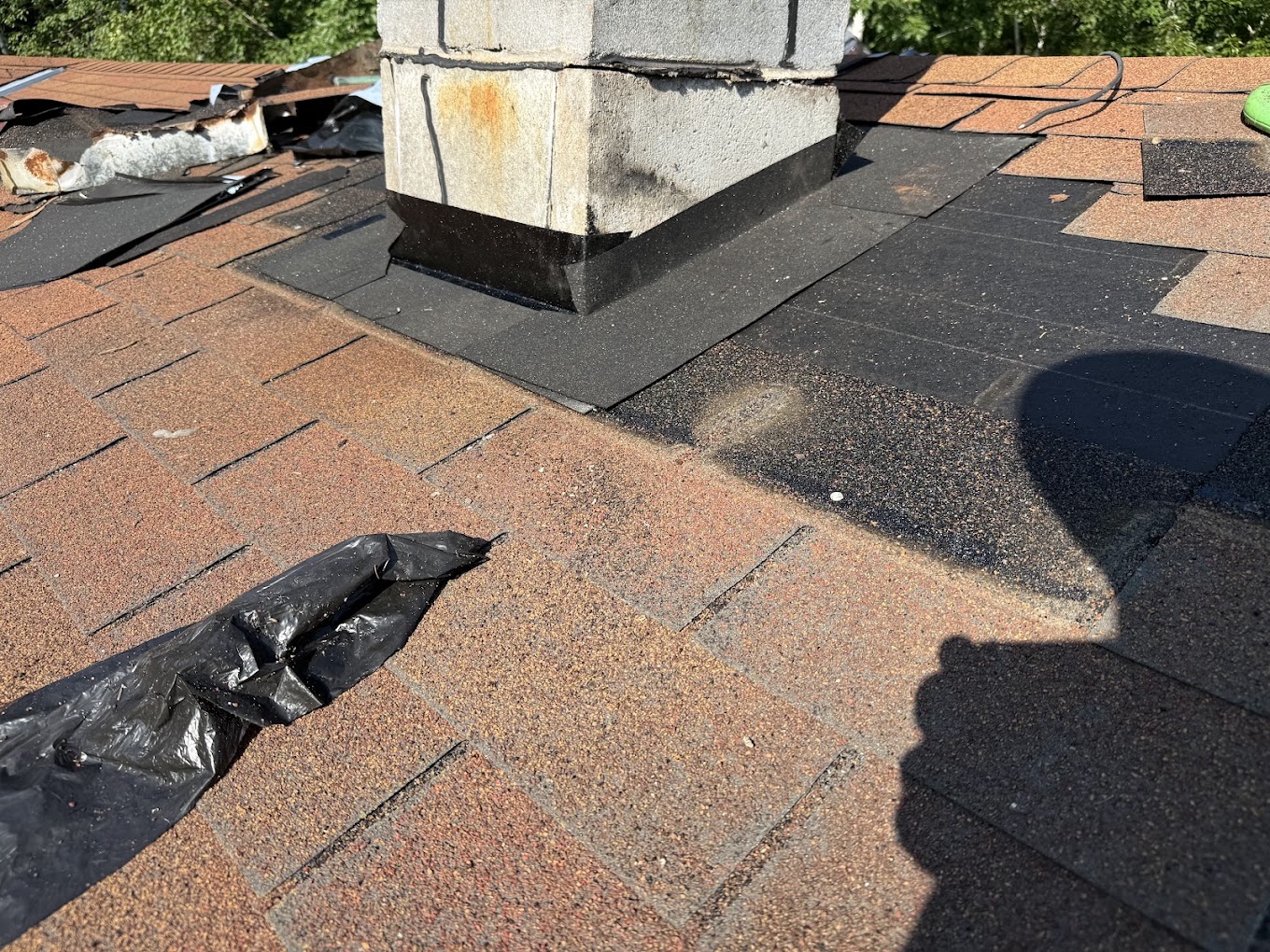
Flashing around chimneys, plumbing vents, skylights, and roof valleys helps direct water away from vulnerable areas. Loose or damaged flashing is one of the most common sources of roof leaks.
Visible Storm Damage
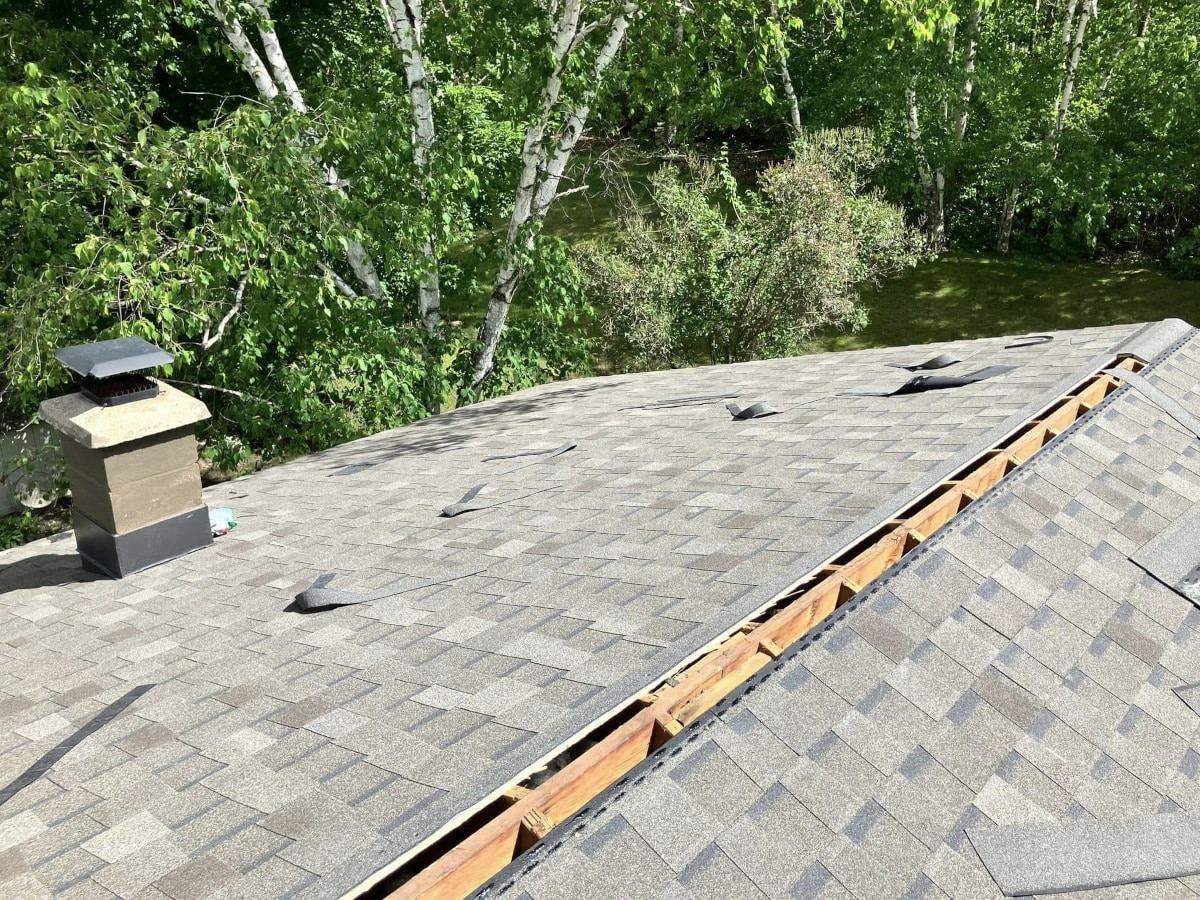
Strong winds, hail, falling branches, and flying debris can damage shingles or expose parts of the roofing system. Even if the damage appears minor, it’s a good idea to have it inspected after a significant storm.
Sagging Roof Areas
A sagging section of the roof may indicate structural issues or long term moisture damage that should be evaluated as soon as possible.
Interior Leaks or Moisture
Active drips, damp insulation in the attic, or musty odors can all be signs that water is entering through the roof.
If you’ve noticed one or more of these warning signs, a professional inspection can determine whether a roof repair is all that’s needed or whether additional work should be considered.
⚠ What Should You Do If You Notice Roof Damage?
If you suspect your roof has been damaged, take these steps while you arrange for a professional inspection:
✓ Stay off the roof. Walking on damaged roofing can be dangerous and may make the problem worse.
✓ Place a bucket or container under active leaks to help protect floors and belongings.
✓ Move furniture, electronics, and valuables away from areas where water is entering.
✓ Take photos from the ground if the damage followed a storm and it is safe to do so.
✓ Schedule a professional roof inspection as soon as possible.
🏡 From the Roof
One of the most common things we hear is, “It was only a small leak, so I didn’t think it was urgent.” In reality, by the time water becomes visible inside the home, moisture may have already been working beneath the shingles for weeks or even months. That’s why we encourage homeowners to have potential roof damage inspected sooner rather than later.
What Causes Roof Damage in Minnesota?
Minnesota’s weather can be tough on residential roofs. From strong summer storms to heavy winter snow and repeated freeze thaw cycles, roofing materials expand, contract, and endure year round exposure to the elements. While every roof eventually shows signs of age, understanding what commonly causes roof damage can help homeowners recognize problems early and protect their investment.
Wind Damage
Strong winds can lift, loosen, or completely remove shingles, exposing the roofing system to rain and moisture. Even when shingles remain attached, wind can break the seal between them, making the roof more vulnerable during future storms.
Hail Damage
Hail can bruise or crack asphalt shingles, dislodge protective granules, and shorten the lifespan of the roof. Some damage is obvious, while other impacts may not be visible from the ground, making a professional inspection important after significant hailstorms.
Snow and Ice
Heavy snow adds weight to the roof, while ice dams can prevent melting snow from draining properly. As water backs up beneath shingles, it can lead to leaks and moisture damage inside the home.
Aging Roofing Materials
Even a well installed roof eventually begins to wear. Years of sunlight, temperature changes, rain, snow, and wind gradually reduce the effectiveness of shingles, flashing, and sealants. As materials age, they become more susceptible to damage from everyday weather.
Flashing Failures
Flashing protects vulnerable areas where different roof surfaces meet, including chimneys, plumbing vents, skylights, and valleys. Loose, damaged, or deteriorated flashing is one of the most common causes of roof leaks.
Tree Limbs and Debris
Branches rubbing against shingles can wear away protective granules over time, while falling limbs during storms may crack shingles or puncture the roofing system. Leaves and pine needles that collect in valleys can also trap moisture and slow drainage.
Poor Ventilation
A poorly ventilated attic can contribute to excessive heat in summer and moisture buildup during winter. Over time, improper ventilation may shorten the lifespan of roofing materials and increase the risk of ice dams.
💡 Homeowner Tip
After severe wind, hail, or heavy snowfall, take a few minutes to walk around your home and look for missing shingles, damaged flashing, or debris on the roof. Problems spotted early are often easier and less expensive to repair.
🏡 From the Roof
Some roof damage isn’t obvious from the ground. We’ve inspected roofs that looked perfectly fine from the driveway but had lifted shingles, damaged flashing, or hidden storm damage that would have eventually led to leaks. A professional inspection helps identify problems that homeowners simply can’t see safely from below.
Can Your Roof Be Repaired or Is It Time for a Replacement?
Not every roof problem requires a full replacement. In many cases, damaged shingles, flashing, or other localized issues can be professionally repaired, allowing the roof to continue protecting your home for years to come. The key is determining the overall condition of the roofing system rather than focusing on one visible problem.
Roof repairs are often a good option when the damage is limited to a specific area, the roof is still in good overall condition, and the surrounding materials have years of service life remaining. Addressing these problems early can help prevent additional damage and extend the life of your existing roof.
There are times, however, when a repair may only provide a temporary solution. If the roof has widespread storm damage, recurring leaks in multiple areas, significant aging, or underlying structural concerns may make a roof replacement the better long term investment.
Because every roof is different, a professional inspection is the best way to determine which option makes the most sense. Revival Roofing provides honest recommendations based on the condition of your roof, helping you understand both your repair and replacement options before making a decision.
Roof Repair
____________
Repairs are often the right choice when the roof is in good overall condition and the damage is limited to specific areas.
✓ Localized damage
✓ Roof still has good life remaining
✓ Limited storm damage
✓ Budget friendly solution
✓ Extends existing roof life
We Recommend Repairs When:
- Damage is localized.
- The roof is structurally sound.
- Most of the roof still has useful life remaining.
Roof Replacement
__________________
Replacement is typically recommended when the roofing system has reached the end of its useful life or has widespread damage.
✓ Widespread damage
✓ Roof nearing end of lifespan
✓ Extensive storm damage
✓ Long term investment
✓ New roofing system
We Recommend Replacement When:
- Damage is widespread.
- Repairs are becoming frequent.
- The roofing system has reached the end of its service life.
What Does a Professional Roof Repair Inspection Include?
When Revival Roofing performs a roof repair inspection, the goal is to identify not only the visible damage but also any underlying issues that could affect the long term performance of your roof. A thorough inspection helps determine whether a repair is appropriate and ensures the recommended solution addresses the source of the problem rather than just the symptoms.
A professional roof repair inspection may include:
Overall Roof Condition
Evaluating the age, wear, and general condition of the roofing system.
Shingles
Looking for missing, lifted, cracked, or damaged shingles.
Flashing
Inspecting chimneys, vents, skylights, and valleys for signs of failure.
Roof Penetrations
Checking pipe boots, vents, and other penetrations where leaks commonly develop.
Signs of Water Intrusion
Looking for evidence of moisture beneath the roofing system or inside the attic.
Ventilation
Evaluating attic airflow to identify conditions that may contribute to premature roof deterioration.
Storm Damage
Checking for wind, hail, or debris damage that may not be immediately visible from the ground.
💡 Homeowner Tip
A repair should address the cause of the problem, not just the visible leak. Finding and correcting the source of water intrusion helps prevent the same issue from returning.
🏡 From the Roof
One of the biggest misconceptions is that the leak is always directly above the water stain inside the home. Water often travels along the roof deck or framing before becoming visible indoors, which is why a careful inspection is so important.
Understanding Common Roof Repairs
Roof repairs can involve much more than replacing a few shingles. Every repair is based on the specific cause of the damage and the overall condition of the roofing system. The goal is to restore the roof’s ability to protect your home while addressing the source of the problem rather than just the visible symptoms.
Some of the most common roof repairs include:
Replacing Damaged or Missing Shingles
High winds, hail, and aging can crack, loosen, or remove shingles. Replacing damaged shingles helps restore the roof’s protective barrier and prevents water from reaching the layers below.
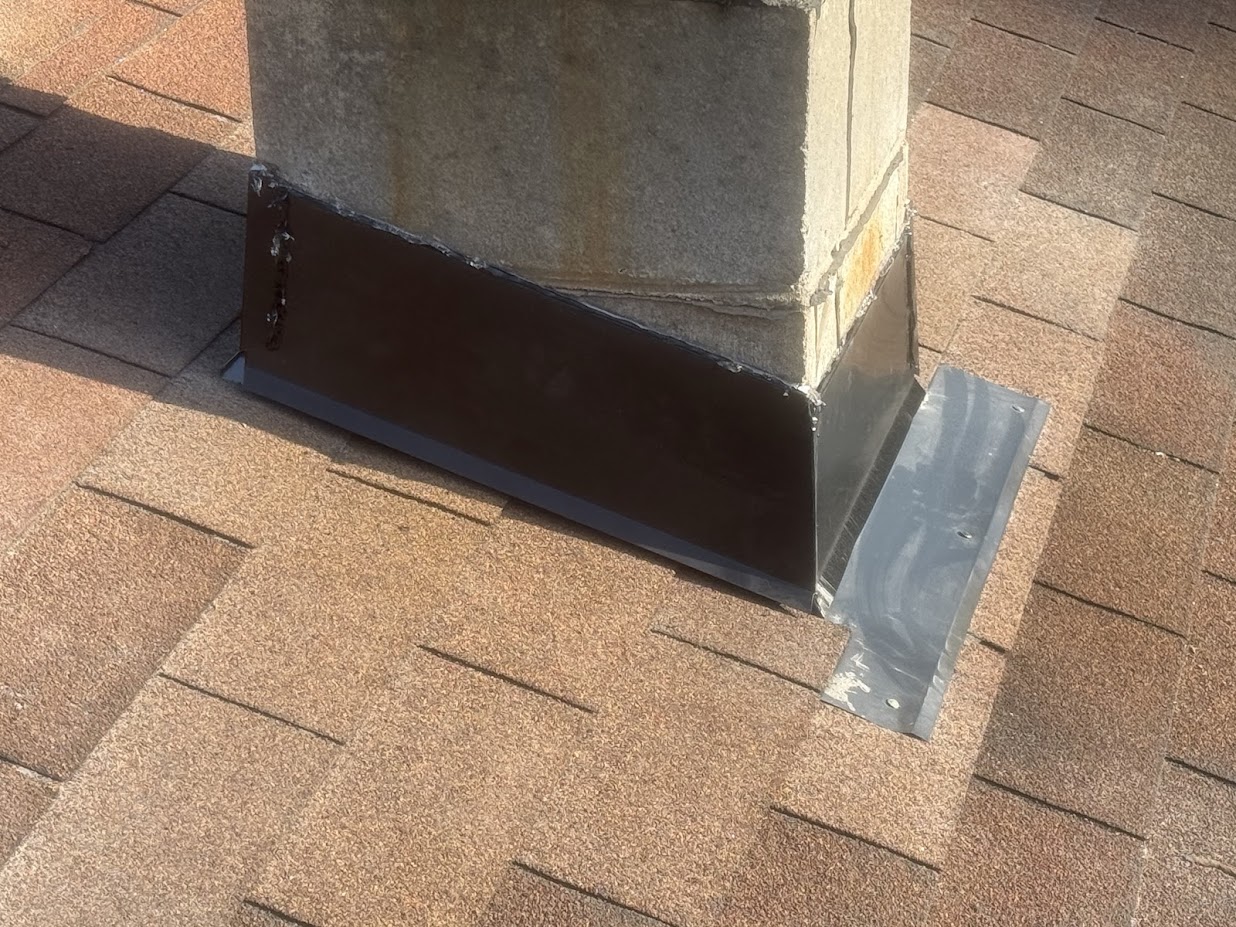
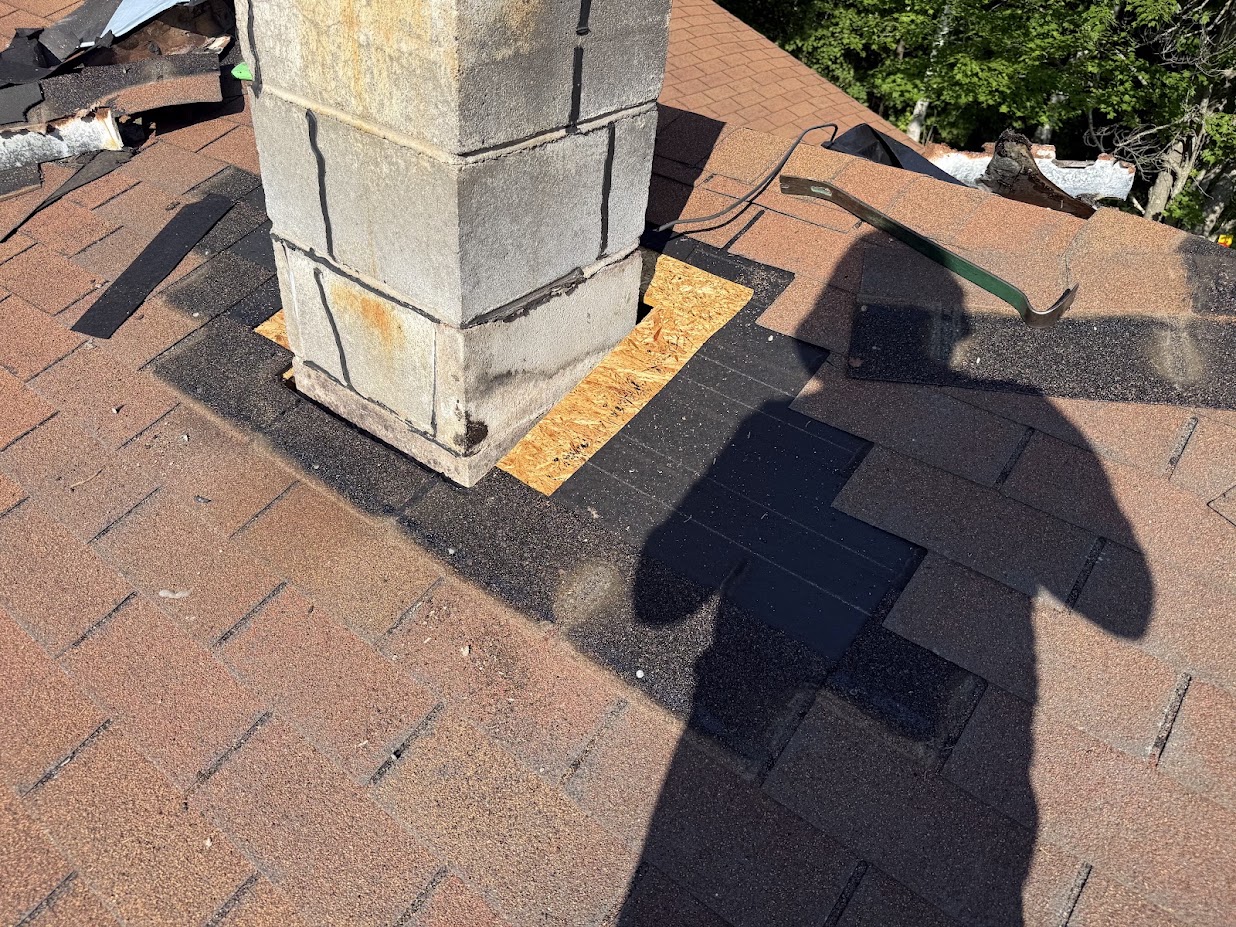
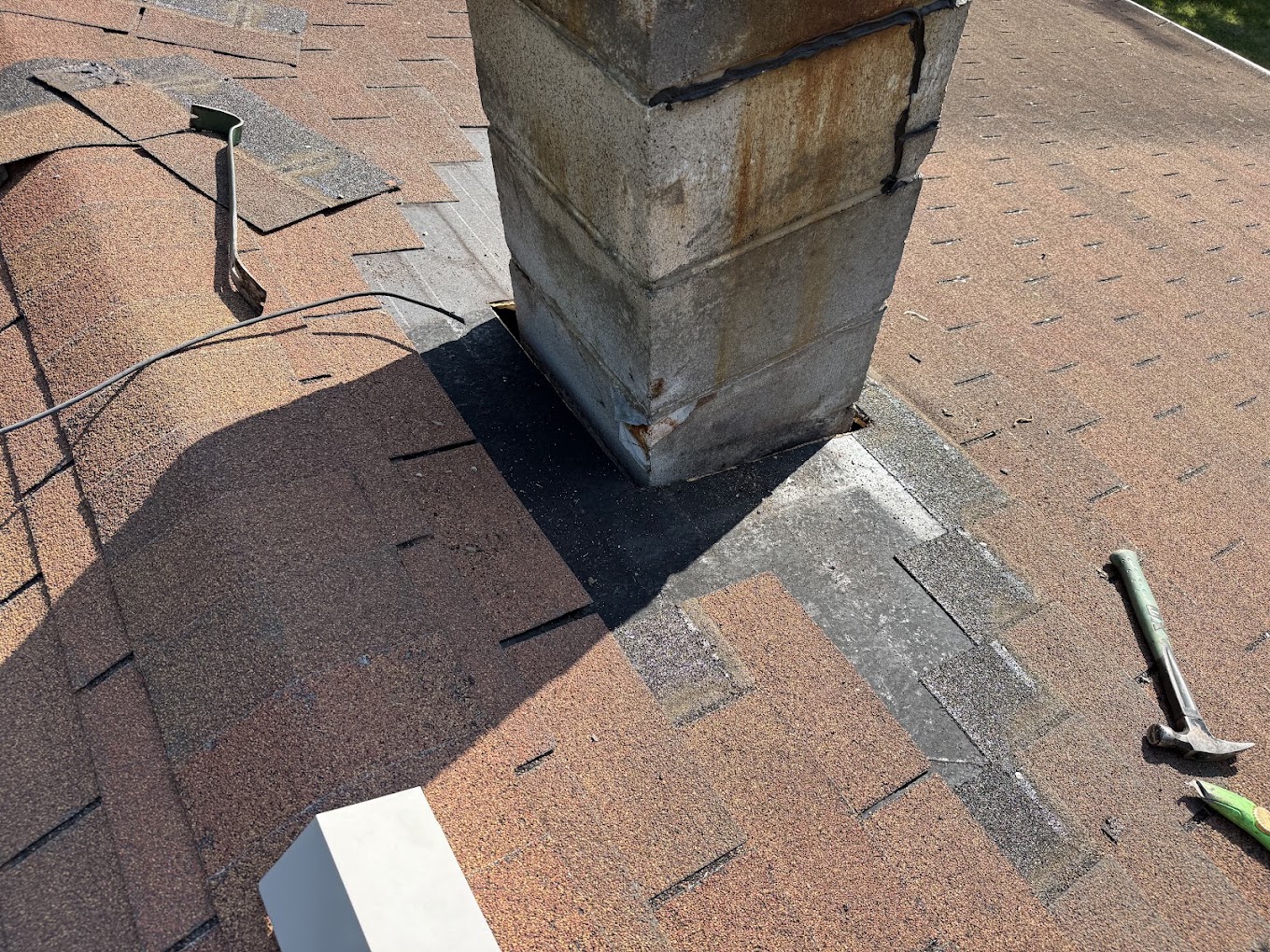
Flashing Repairs
Flashing protects areas around chimneys, plumbing vents, skylights, and roof valleys where leaks commonly occur. Damaged or deteriorated flashing can often be repaired or replaced without replacing the entire roof.
Roof Leak Repairs
Finding the source of a leak is often the most important part of the repair process. Because water can travel beneath roofing materials before becoming visible inside the home, identifying the true entry point requires a thorough inspection.
Pipe Boot Replacement
Rubber pipe boots naturally deteriorate over time due to sunlight and weather exposure. Replacing worn pipe boots is a common repair that helps prevent leaks around plumbing vent pipes.
Ridge Cap Repairs
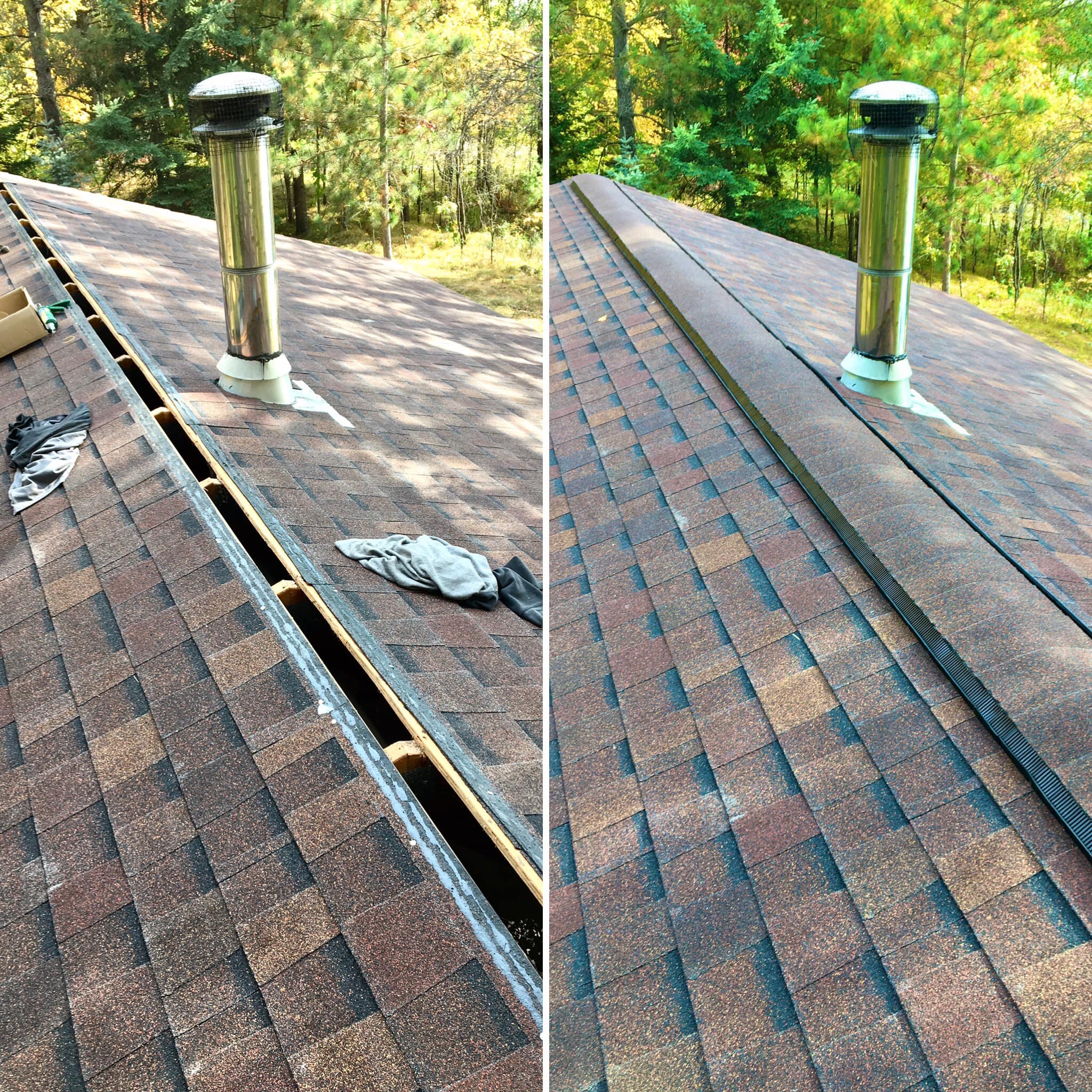
Ridge cap shingles protect the peak of the roof and are often exposed to higher wind speeds. Repairing or replacing damaged ridge caps helps maintain the integrity of the roofing system.
Storm Damage Repairs
Wind, hail, falling branches, and debris can damage multiple areas of the roof at once. A professional inspection helps determine which repairs are needed and whether the damage extends beyond the visible surface.
💡 Homeowner Tip
A roof repair isn’t just about replacing damaged materials. The goal is to identify why the damage occurred so the same problem doesn’t return a few months later.
🏡 From the Roof
We’ve seen homeowners replace the same shingles more than once because the underlying issue wasn’t addressed the first time. A quality repair looks beyond the visible damage to make sure the roofing system is protecting the home as intended.
What Happens During a Roof Repair?
① Schedule a Roof Inspection
We begin by learning about the concerns you’ve noticed and scheduling a convenient time to inspect your roof.
② Perform a Comprehensive Inspection
The roof is evaluated to identify both visible damage and any underlying issues contributing to the problem.
③ Review our Findings
We’ll explain what we found, answer your questions, and discuss whether a repair or replacement is the better solution.
④ Complete the Necessary Repairs
Once approved, repairs are completed using quality materials and workmanship designed to restore the performance of your roofing system.
⑤ Final Walkthrough
After repairs are complete, we review the work with you and make sure you understand what was repaired and any recommendations for future maintenance.
What Factors Affect Roof Repair Costs?
One of the biggest concerns homeowners have is cost. While every repair is different, understanding the factors that influence pricing can help set realistic expectations before scheduling an inspection.
Because no two roofs are exactly alike, a professional evaluation is the best way to determine the scope of the repair and provide an accurate estimate.
Extent of the Damage
A few missing shingles require a very different repair than widespread storm damage or multiple roof leaks. The larger the affected area, the more labor and materials may be required.
Type of Roofing Material
Most residential asphalt roof repairs are straightforward, but specialty shingles, discontinued products, or matching older roofing materials can sometimes affect repair options and cost.
Roof Accessibility
Steeper roofs, multiple roof levels, landscaping, and other site conditions may increase the time required to safely complete repairs.
Hidden Damage
In some cases, damage beneath the shingles isn’t visible until repairs begin. Moisture can affect underlayment or roof decking, making additional repairs necessary to restore the roofing system properly.
Weather Conditions
Minnesota’s weather can influence repair scheduling. While many repairs can be completed quickly, severe weather may affect timing or require temporary protection until conditions improve.
The best way to understand repair costs is through a professional roof inspection. Revival Roofing provides honest recommendations and clear estimates so homeowners know exactly what work is being recommended and why.
💡 Homeowner Tip
The least expensive repair isn’t always the best value. A quality repair that addresses the underlying problem can help prevent additional repairs and extend the life of your roof.
🏡 From the Roof
We believe homeowners should understand exactly what they’re paying for. That’s why we explain what caused the damage, what needs to be repaired, and why those repairs are recommended before any work begins.
How Can You Help Prevent Future Roof Repairs?
While no roof lasts forever, regular maintenance and early attention to minor issues can help reduce the likelihood of unexpected repairs. A few simple habits can go a long way toward protecting your roofing system and extending its lifespan.
Schedule Regular Roof Inspections
A professional inspection at least once a year, and after major storms, can identify small issues before they become larger problems.
Keep Gutters Clean
Clogged gutters can allow water to back up beneath shingles and increase the risk of moisture damage.
Trim Overhanging Tree Branches
Branches that rub against the roof can wear away protective granules, while falling limbs may cause damage during storms.
Watch for Interior Warning Signs
Water stains, peeling paint, musty odors, or damp attic insulation may indicate that moisture is entering the home before a leak becomes obvious.
Address Minor Damage Promptly
Replacing a few damaged shingles or repairing flashing early can often prevent much more extensive repairs later.
Regular maintenance won’t eliminate every roofing issue, but it can help homeowners catch problems sooner and make informed decisions before damage becomes more significant.
Because every roof is different, the best way to determine repair costs is through a professional inspection and estimate.
💡 Homeowner Tip
After severe weather, walk around your home with a pair of binoculars instead of climbing onto the roof. You can often spot missing shingles or visible damage safely from the ground.
🏡 From the Roof
Many of the larger repairs we’ve completed started as problems that could have been addressed much earlier. Regular inspections aren’t about finding work to do. They’re about giving homeowners the information they need before small issues become expensive surprises.
Roof Repair Prevention Checklist
A few simple habits can go a long way toward protecting your roof:
✔ Inspect your roof from the ground after major storms.
✔ Check ceilings and attic spaces for water stains.
✔ Keep gutters free of leaves and debris.
✔ Trim tree branches that contact the roof.
✔ Schedule a professional inspection if you notice missing shingles or visible damage.
Review Our Customer Testimonials




Review Our Brainerd Lakes Area Roofing Projects
Frequently Asked Questions About Roof Repairs
How do I know if my roof needs repair?
Common signs include missing or damaged shingles, water stains on ceilings, roof leaks, damaged flashing, granules collecting in gutters, and visible storm damage. A professional roof inspection can determine the extent of the damage and whether repairs are needed.
Can a leaking roof be repaired?
In many cases, yes. If the damage is limited and the roof is otherwise in good condition, a professional repair can stop the leak and restore the roof’s ability to protect your home.
How long does a typical roof repair take?
Many roof repairs can be completed in a single day, although the timeline depends on the type and extent of the damage, weather conditions, and the materials required.
Can missing shingles be replaced without replacing the entire roof?
Yes. If the damage is localized and the surrounding roof is still in good condition, replacing missing or damaged shingles is often an effective repair.
Should I repair my roof after a storm even if I don't see a leak?
Yes. Wind and hail can damage shingles or flashing without causing an immediate leak. A professional inspection can identify hidden damage before it leads to more costly problems.
How much does roof repair cost?
Roof repair costs vary depending on the type of damage, roof size, accessibility, materials, and whether hidden damage is discovered during the repair. A professional inspection provides the most accurate estimate.
Will homeowners insurance cover roof repairs?
Coverage depends on your insurance policy and the cause of the damage. Storm damage caused by hail or high winds is often covered, while normal wear and aging generally are not.
Can roof repairs be completed during Minnesota winters?
Many roof repairs can still be completed during the winter when weather conditions allow. Emergency repairs are often possible to help protect your home until permanent repairs can be safely completed.
How long will a roof repair last?
A properly completed repair using quality materials can last for many years. The lifespan depends on the condition of the existing roof, the repair performed, and ongoing maintenance.
How do I know if I need a roof repair or a roof replacement?
The best way to know is through a professional roof inspection. Localized damage often can be repaired, while widespread damage, advanced aging, or recurring problems may make replacement the better long term solution.
Can you match my existing shingles?
In many cases, yes. While an exact match is not always possible due to aging or discontinued products, we work to find the closest available match to maintain your home’s appearance.
How soon should I repair a roof leak?
As soon as possible. Even a small leak can allow water to reach the roof deck, insulation, and interior of your home. Addressing the problem early often helps prevent more extensive and costly damage.
Related Resources
Protect Your Home with Professional Roof Repair Services
If you’ve noticed a roof leak, missing shingles, storm damage, or other signs of roof wear, addressing the problem early can help prevent more extensive damage and preserve the life of your roofing system.
Whether your roof needs a simple repair or a more comprehensive solution, Revival Roofing provides honest recommendations, quality workmanship, and clear communication throughout the process. Our goal is to help you understand your options and make the right decision for your home.
Schedule your free roof inspection today and let our experienced team help you protect your home with trusted roof repair services throughout the Brainerd Lakes Area.

(218) 866-0957
Pine River, MN
Hours: Mon-Sat 8am - 8pm
Serving the Brainerd Lakes Area
Brainerd • Baxter • Pine River • Nisswa
Crosslake • Pequot Lakes • Hackensack
Contact / Request an appt
2026 © Revival Roofing | All Rights Reserved | Privacy Policy
Licensed & Insured — MN License #RR806717