
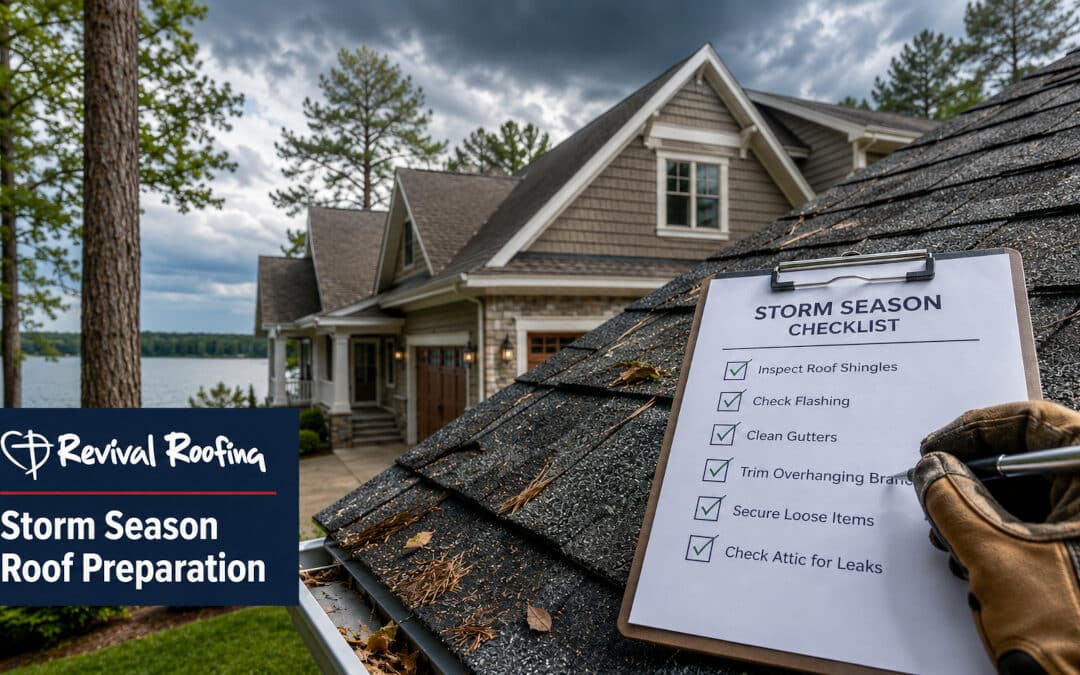
Storm season can arrive quickly in Minnesota. A calm summer afternoon can turn into strong winds, hail, and heavy rain within a short period of time.
Your roof is designed to handle changing weather conditions, but even a well-built asphalt shingle roof can become vulnerable if small issues are left unaddressed. Loose shingles, worn areas, damaged flashing, or clogged drainage systems may not seem urgent until a major storm exposes the problem.
Taking time to prepare before severe weather arrives can help homeowners identify concerns early and make informed decisions about repairs or maintenance.
For homeowners throughout the Brainerd Lakes Area, regular roof care is especially valuable because homes experience a wide range of seasonal conditions, including winter snow, freeze thaw cycles, spring storms, summer hail, and strong winds.
Why Storm Preparation Matters for Asphalt Shingle Roofs
Minnesota weather can be hard on roofing systems throughout the year. While asphalt shingles are designed to provide reliable protection, their performance depends on the overall condition of the roof.
Storm damage often begins with small weaknesses that may not be obvious from the ground.
Common areas of concern include:
- Missing or damaged shingles
- Loose flashing around roof penetrations
- Worn shingles that have lost protective granules
- Poor drainage caused by clogged gutters
- Previous damage that was never repaired
Addressing these issues before storm season can reduce the chance of water entering your home during heavy rain or wind events.
How Wind Can Affect Your Roof
Strong winds are one of the most common causes of storm-related roof damage.
Wind can:
- Lift shingles and break their seal
- Remove loose or damaged shingles
- Damage roof edges
- Affect flashing and other vulnerable areas
Sometimes wind damage is easy to see, such as shingles found in the yard. Other times, damage is less obvious and may not become noticeable until water begins entering the home.
After a significant wind event, a professional evaluation can help determine whether your roof has been affected.
How Hail Can Damage Asphalt Shingles
Hail damage is not always immediately visible. Unlike a missing shingle, hail impacts may leave subtle signs that are difficult for homeowners to identify.
Hail can affect asphalt shingles by:
- Breaking down the protective granule layer
- Creating impact marks or soft areas
- Weakening shingles over time
- Reducing the roof’s ability to protect against moisture
If your area experiences a major hailstorm, it is worth checking for signs of damage around your property, including damaged gutters, siding impacts, or roofing debris.
A professional storm damage inspection can help determine whether your roof needs repairs.
What Homeowners Should Check Before Storm Season
Preparing your roof does not require climbing onto it. In fact, walking on shingles can create unnecessary risks and may damage the roofing material.
Instead, homeowners can perform a basic visual check from the ground.
Look for Visible Roof Concerns
Check for:
- Missing shingles
- Curling or lifted shingles
- Areas that appear different from the rest of the roof
- Visible wear around roof edges
If something looks unusual, it is better to have it evaluated rather than waiting for a leak.
Keep Gutters and Drainage Areas Clear
Your roof and gutter system work together to move water away from your home.
Before storm season:
- Remove leaves and debris from gutters
- Check that downspouts drain properly
- Remove excessive debris near roof edges
Good drainage helps prevent water from collecting where it can create additional problems.
Address Existing Roofing Issues
Storms often make existing roof problems worse.
Small concerns such as damaged shingles, minor leaks, or deteriorating flashing should be addressed before severe weather arrives.
Regular roof maintenance helps homeowners identify these issues before they become larger repairs.
What This Means for Brainerd Lakes Homeowners
Homes throughout the Brainerd Lakes Area can experience different levels of weather exposure depending on location and property type.
Lake homes, cabins, and properties surrounded by mature trees may have additional considerations, including:
- Falling branches
- Wind-driven debris
- Seasonal moisture exposure
- Long periods when homes are unoccupied
A roof that receives regular attention is easier to maintain because problems are usually found before they create interior damage.
Seasonal inspections are especially helpful for homeowners who want to understand the current condition of their roof before severe weather arrives.
What To Do After a Storm
After a storm passes, begin with a visual inspection from a safe location.
Look for signs such as:
- Shingles in the yard
- Damaged gutters
- Debris impact
- Water stains inside your home
- Visible roof damage
Avoid walking on the roof after severe weather. Wet surfaces can be dangerous, and damaged areas may not support weight properly.
If you notice possible damage, take photos from safe locations and document what you see.
When Should You Schedule a Roof Inspection After a Storm?
Not every storm requires professional attention, but certain situations are worth having evaluated.
Consider scheduling a roof inspection if:
- Your property experienced hail
- Strong winds moved through the area
- You notice missing shingles
- You see water stains inside your home
- Your roof is older or already showing signs of wear
An inspection provides information about the condition of your roof so you can decide what steps make sense.
Can Storm Damage Be Repaired or Does the Roof Need Replacement?
The answer depends on the amount of damage and the overall condition of the roofing system.
When Repairs May Be Enough
Some storm damage can be addressed with targeted repairs.
Examples include:
- A small number of damaged shingles
- Minor flashing problems
- Limited areas of wind damage
A professional roof repair may help extend the useful life of a roof that is otherwise in good condition.
When Replacement May Be the Better Option
A roof replacement may be worth considering when damage is widespread or the roof was already nearing the end of its lifespan.
Factors include:
- Extensive shingle damage
- Multiple previous repairs
- Significant weather-related wear
- An aging asphalt shingle roof
A roofing professional can help determine whether repairs are practical or if replacement would provide better long-term protection.
Preventative Steps That Help Protect Your Roof
Storm preparation is not a once-a-year task. Consistent maintenance throughout the year helps your roof perform better.
Helpful steps include:
- Schedule regular inspections
- Keep gutters clean
- Remove excessive debris
- Watch for signs of damage after storms
- Address small problems before they grow
Taking care of your roof before problems appear can help protect your home through Minnesota’s changing seasons.
Conclusion
Storm season is part of living in Minnesota, and your roof plays an important role in protecting your home from changing weather conditions.
Preparing ahead of time, checking for warning signs, and addressing damage early can help prevent larger roofing problems.
If your home has experienced hail, wind, or storm-related concerns, Revival Roofing can help evaluate your asphalt shingle roof and explain what options are available.
Frequently Asked Questions About Storm Season Roof Preparation
How can I prepare my roof before storm season?
Preparing your roof before storm season starts with making sure your roofing system is in good condition before severe weather arrives. Homeowners can check for visible concerns such as missing shingles, damaged areas, clogged gutters, and debris buildup around the roof.
A professional inspection can identify issues that may not be obvious from the ground, including worn shingles, loose flashing, or areas where water may enter during heavy rain or wind.
How can I tell if my roof has hail or wind damage?
Storm damage is not always easy to identify. Some visible signs include missing shingles, damaged gutters, roofing debris in your yard, or water stains inside your home.
Hail damage can be harder to recognize because it may affect the protective surface of asphalt shingles without immediately causing a leak. After a major hail or wind event, a professional evaluation can help determine whether your roof has been affected.
Should I have my roof inspected after every storm?
Not every storm requires a professional inspection, but severe weather events are a good reason to check your roof.
Homeowners should consider scheduling an inspection after storms involving hail, strong winds, heavy rain, or flying debris. Finding damage early can help prevent smaller issues from developing into more expensive repairs.
Can storm damage be repaired, or will I need a roof replacement?
The answer depends on the condition of your roof and the amount of damage present.
Limited damage, such as a few damaged shingles or isolated flashing concerns, may only require repairs. A roof replacement may be recommended when damage is widespread, the roof is older, or the roofing system has already experienced significant wear.
A professional evaluation can help determine which option makes the most sense for your home.
What should I do if I think my roof was damaged during a storm?
Start by checking your property from a safe location and looking for visible signs of damage. Avoid climbing onto the roof after severe weather because wet or damaged roofing materials can be unsafe.
Take photos of any damage you notice and contact a roofing professional for an evaluation. A proper inspection can help you understand the condition of your roof and what steps should be taken next.