
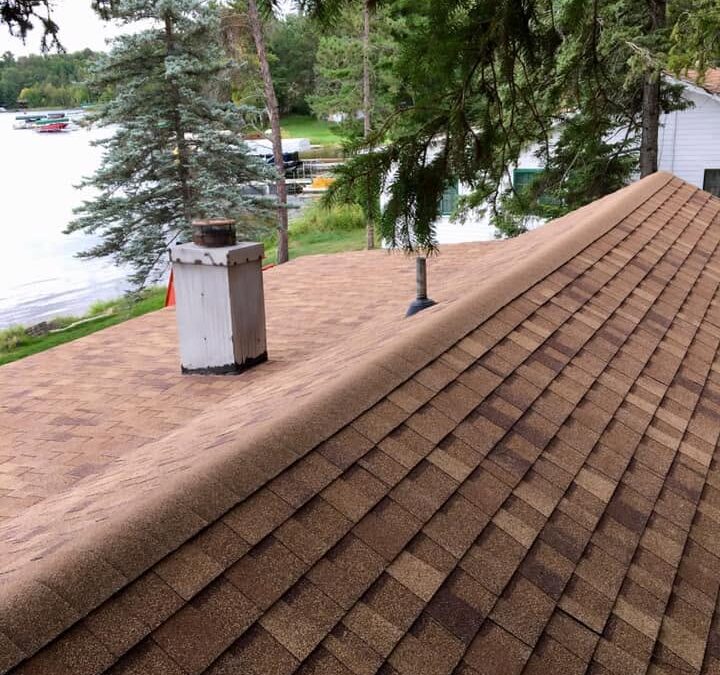
Replacing a roof is one of the larger investments a homeowner will make, but it is also one of the most important parts of protecting your home.
Your roof helps defend against Minnesota weather throughout the year, including heavy rain, strong winds, snow, ice, and freeze thaw cycles. Over time, even a well-installed roof will eventually show signs of aging and may no longer provide the protection your home needs.
Many homeowners start researching roof replacement after noticing missing shingles, leaks, storm damage, or visible wear. Others begin looking into replacement because their roof is approaching the end of its expected service life.
Understanding when replacement makes sense, what the process involves, and how to prepare can help you make a more informed decision for your home.
How Do You Know When It Is Time to Replace Your Roof?
Not every roofing problem requires a complete replacement. Some issues can be addressed with repairs or maintenance. However, there are situations where replacing the roof provides better long-term protection.
Some common signs that a roof may need replacement include:
- Widespread shingle damage
- Frequent leaks or water intrusion
- Missing shingles after storms
- Significant granule loss on asphalt shingles
- Curling, cracked, or brittle shingles
- Visible aging throughout the roofing system
A professional evaluation can help determine whether your roof needs repairs or if replacement is the more practical solution.
A roof inspection is often the best first step because it provides a clearer picture of the roof’s current condition before making a major decision.
What Is the Average Lifespan of an Asphalt Shingle Roof?
The lifespan of an asphalt shingle roof depends on several factors, including the quality of materials, installation, ventilation, weather exposure, and maintenance.
Homes throughout Minnesota experience conditions that can place additional stress on roofing materials. Summer heat, severe storms, winter snow, and repeated freeze thaw cycles can all contribute to normal wear over time.
Proper care does not stop aging, but regular maintenance and timely repairs can help maximize the performance of your roof.
Revival Roofing specializes in residential asphalt shingles because they provide a practical balance of durability, appearance, and value for many Minnesota homes.
Should You Repair Your Roof or Replace It?
This is one of the most common questions homeowners ask when roofing problems appear.
The answer depends on the condition of the entire roofing system, not just one damaged area.
When Roof Repair May Make Sense
A repair may be appropriate when:
- Damage is limited to a small area
- The roof is otherwise in good condition
- The issue was caused by a specific event, such as a fallen branch
- The roof still has useful life remaining
Examples may include replacing damaged shingles, repairing flashing, or addressing a small leak.
A professional roof repair can often resolve isolated problems without replacing the entire roof.
When Roof Replacement Is Usually the Better Option
Replacement may be the better choice when:
- Damage is widespread
- The roof has reached the later stages of its lifespan
- Repairs are becoming frequent
- The roofing system has experienced repeated storm damage
- The roof is no longer providing reliable protection
Replacing an aging roof before major damage occurs can help prevent more extensive problems inside the home.
What Happens During a Roof Replacement?
Many homeowners feel uncertain about the replacement process because they have never experienced it before.
A professional roof replacement typically involves several important steps.
Initial Roof Evaluation
The process begins with evaluating the current roof condition.
A roofing professional will look at:
- Shingle condition
- Flashing
- Ventilation
- Existing damage
- Areas where moisture may enter
This helps determine the scope of the project and whether replacement is the right solution.
Selecting Roofing Materials
Choosing the right roofing materials affects both the appearance and performance of your new roof.
Factors to consider include:
- Shingle style and color
- Product quality
- Weather resistance
- Compatibility with your home
For many homeowners, asphalt shingles remain a popular option because they offer reliable performance while complementing a wide range of home styles.
Removing the Existing Roof
During replacement, the old roofing materials are removed so the underlying roof structure can be evaluated.
This step allows the roofing crew to identify hidden concerns, such as damaged decking or areas affected by moisture.
Installing the New Roof
After preparation is complete, the new roofing system is installed.
A proper installation includes attention to:
- Shingle placement
- Flashing details
- Ventilation
- Water-shedding areas
- Cleanup after completion
The quality of installation plays a major role in how well a roof performs over time.
How Much Does Roof Replacement Cost?
Roof replacement costs vary from home to home.
Factors that influence the overall investment include:
- Roof size
- Roof design and complexity
- Material selection
- Number of roofing layers being removed
- Existing damage
- Accessibility of the home
A smaller, straightforward roof replacement will have different requirements than a larger home with multiple roof sections or additional repairs needed.
The best way to understand the cost of your specific project is through a professional evaluation.
How Should You Prepare Your Home for a Roof Replacement?
A little preparation can make the process smoother for both homeowners and the roofing crew.
Before work begins:
- Remove fragile items from attic areas
- Protect belongings stored near ceilings or walls
- Move vehicles away from the work area
- Clear access around the home
- Secure outdoor items that could be affected
Roof replacement can create noise and temporary disruption, but an experienced roofing team should keep the process organized and clean.
What Brainerd Lakes Homeowners Should Know About Roof Replacement
Homes throughout the Brainerd Lakes Area experience unique seasonal conditions that can affect roofing materials.
Winter snow, ice buildup, summer storms, hail, and strong winds all contribute to normal roof wear.
Cabins and seasonal homes may also have additional considerations because roofing issues can go unnoticed when properties are not occupied year-round.
Regular inspections are especially helpful for identifying concerns before they lead to interior damage or larger repairs.
Does a New Roof Need Maintenance?
A new roof still benefits from regular care.
While newer roofing materials provide reliable protection, maintenance helps identify small concerns before they become larger issues.
Helpful steps include:
- Keeping gutters clear
- Removing excessive debris
- Checking for storm-related damage
- Scheduling periodic inspections
- Addressing small issues promptly
Regular roof maintenance helps protect your investment and keeps your roofing system performing as intended.
What Happens If a Storm Damages a New Roof?
Even newer roofs can experience damage from severe weather.
Hail, strong winds, and falling branches can affect roofing materials regardless of age.
After a major weather event, look for:
- Missing shingles
- Damaged gutters
- Roofing debris around the property
- Interior water stains
If your home experiences severe weather, a professional evaluation can help determine whether repairs are needed or if damage is more extensive.
Learn more about identifying possible storm damage after severe weather.
Conclusion
A roof replacement is a significant project, but understanding the process can make the decision easier.
Knowing the warning signs, understanding your options, and having your roof professionally evaluated can help you choose the right solution for your home.
For homeowners in the Brainerd Lakes Area, a properly installed asphalt shingle roof provides important protection through Minnesota’s changing seasons.
If you are unsure whether your roof needs repair or replacement, Revival Roofing can help assess its condition and explain the next steps based on your home’s needs.
Frequently Asked Questions About Roof Replacement
How do I know if my roof needs to be replaced instead of repaired?
The best way to know is through a professional evaluation. Minor issues, such as a few damaged shingles or isolated flashing problems, can often be repaired. If your roof has widespread wear, repeated leaks, or is nearing the end of its service life, a replacement may provide better long term protection and value.
How long does a roof replacement usually take?
The timeline depends on factors such as the size of the roof, weather conditions, roof design, and whether hidden damage is discovered after the old roofing materials are removed. Many residential roof replacements can be completed within a few days, but every project is different.
Can I stay in my home while my roof is being replaced?
In most cases, yes. Roof replacement is noisy because the old roofing materials must be removed before the new system is installed, but homeowners are usually able to remain in their homes during the project. If you have concerns about children, pets, or specific health conditions, discuss them with your roofing contractor before work begins.
What happens if bad weather interrupts a roof replacement?
Experienced roofing contractors monitor weather forecasts closely before beginning a project. If unexpected weather develops, temporary protective coverings can be used to help protect the home until work can safely continue. Safety for both the homeowners and the roofing crew always comes first.
How can I help my new roof last as long as possible?
Regular maintenance plays an important role in the long term performance of your roof. Keeping gutters clean, removing debris, checking for damage after severe weather, and scheduling periodic roof inspections can help identify small issues before they become more expensive repairs.